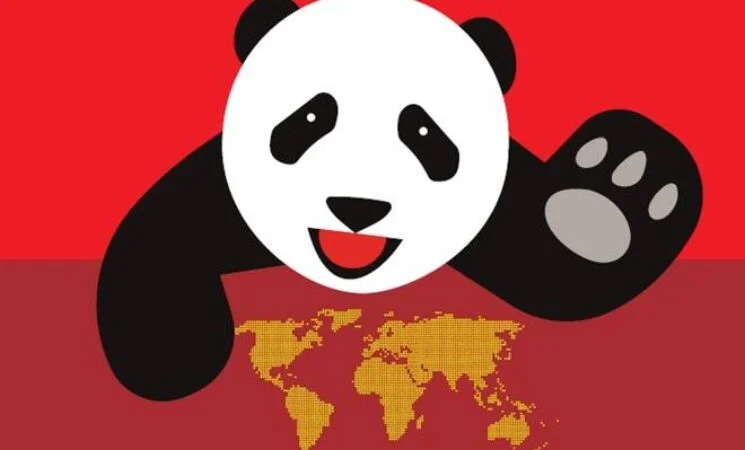
Imagine you’re the leader of a country. You want to improve your international image, make friends, and gain influence abroad. You could rely on trade deals, military alliances, or formal summits, but what if you tried something a little more… adorable?
This is where panda diplomacy comes in.
Panda diplomacy refers to China’s practice of gifting or loaning giant pandas to other countries as a symbol of goodwill and friendship. Instead of relying only on traditional political or economic tools, China has used one of its most beloved national symbols to build relationships and shape international perceptions.
Giant pandas are more than just cute black-and-white bears. They are one of China’s most recognizable symbols and are closely associated with ideas of peace, harmony, and gentleness. Their calm nature and universal appeal help bridge cultural divides and create positive emotional connections, often before any official diplomacy even begins.
When Pandas Leave, It Matters
A recent example form January this year shows just how powerful panda diplomacy can be. Several days ago, in Japan, crowds gathered at Tokyo’s Ueno Zoo to say goodbye to the twin pandas Xiao Xiao and Lei Lei as they prepared to return to China. Their departure means Japan will be without pandas for the first time in over 50 years.
Although the return had been planned, many observers saw it as symbolic since it came at at time of cooling ties between the two countries, China and Japan have a long history of complicated relations, and the timing made the pandas’ departure feel like more than just a logistical decision. When pandas arrive. or leave, it often reflects the broader tone of diplomatic ties.
Read More: Malaysia Prepares to Unveil New Panda Pair From China at Zoo Negara
Scholars frequently describe the giant panda as one of China’s most effective soft power assets. Pandas are globally loved, instantly recognizable, and strongly associated with positive emotions. Their round faces, black eye patches, and clumsy movements evoke innocence and warmth, making them ideal “ambassadors.”
What makes pandas especially powerful is their exclusivity. Giant pandas exist only in China, which means every panda abroad is a direct cultural link to the country. This uniqueness has allowed China to align its national image closely with the panda, turning the animal into a living symbol of Chinese identity and values.
From Gifts to Conservation Partnerships
Panda diplomacy has evolved significantly over time. Its earliest roots can be traced back to the Tang Dynasty, when Empress Wu Zetian is believed to have sent rare bears, likely giant pandas, to Japan as a symbol of goodwill. In the modern era, the practice began in 1941, when China gifted two pandas to the United States as a gesture of wartime friendship.
During the Cold War, pandas were later presented to socialist allies under Mao Zedong, reinforcing political ties through a distinctly Chinese symbol. Since the 1980s, however, China has shifted from gifting pandas to long-term loan agreements, typically lasting ten years, with conservation fees and the return of any cubs born abroad, hence reflecting a growing focus on conservation and international cooperation.
Panda diplomacy doesn’t aim to influence governments directly. Instead, it speaks to the public. People who may never read policy papers or follow diplomatic negotiations still line up for hours to see pandas at zoos. Over time, those positive experiences shape perceptions and create emotional goodwill.
As one former Chinese ambassador once joked, “There are two Chinese ambassadors in Washington: one in the embassy, and one at the National Zoo.”
It’s a lighthearted comment, but it captures an important truth: international relations aren’t built on politics alone. They’re also built on familiarity, emotion, and shared stories. And in that space, few diplomatic tools have been as effective, or as cuddly, as the giant panda.

Catalina Bora
Catalina Bora is the founder of the Institute of Etiquette and Protocol. She can be reached at catalinabora@gmail.com