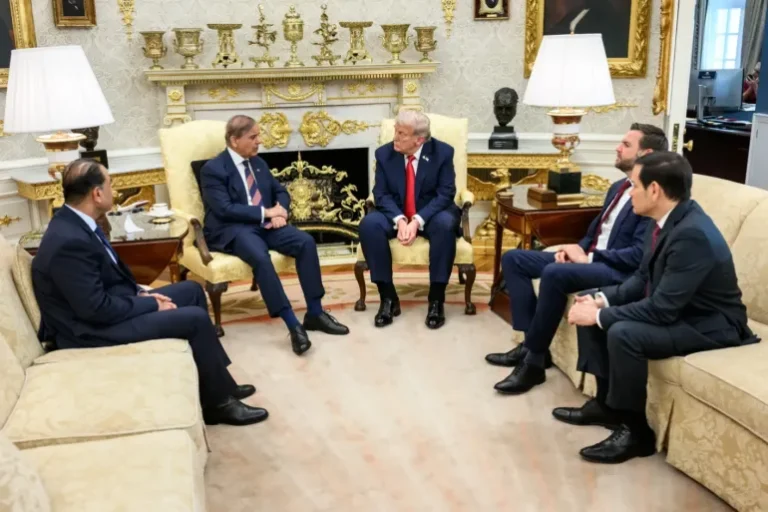
Washington (TDI): Pakistan’s offer to help mediate between the United States and Iran reflects growing confidence in its diplomatic role, speakers said at a symposium on Capitol Hill, held amid heightened tensions between Washington and Tehran.
Participants noted that Islamabad’s outreach, following military exchanges between the US and Iran in the Gulf, highlights its intent to act as a stabilising force in an already volatile region.
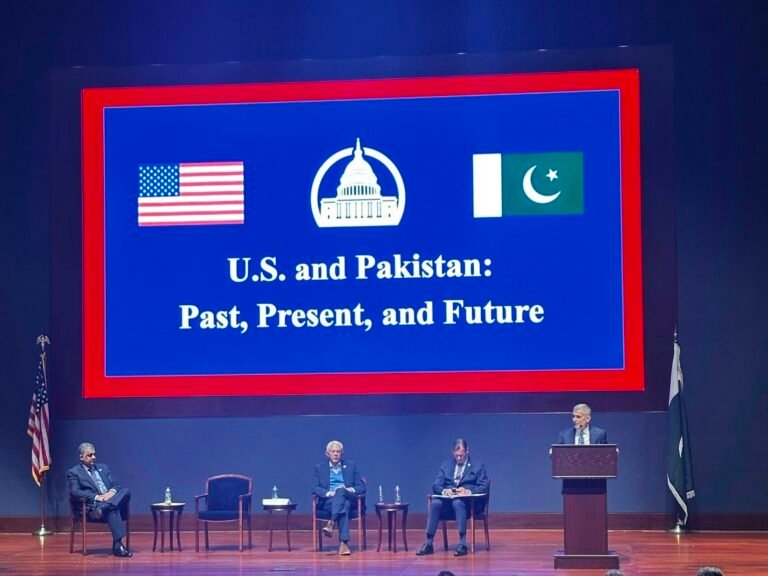
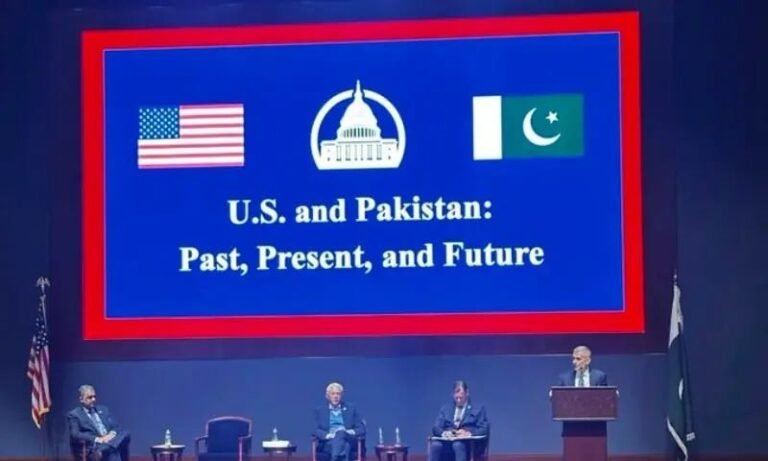
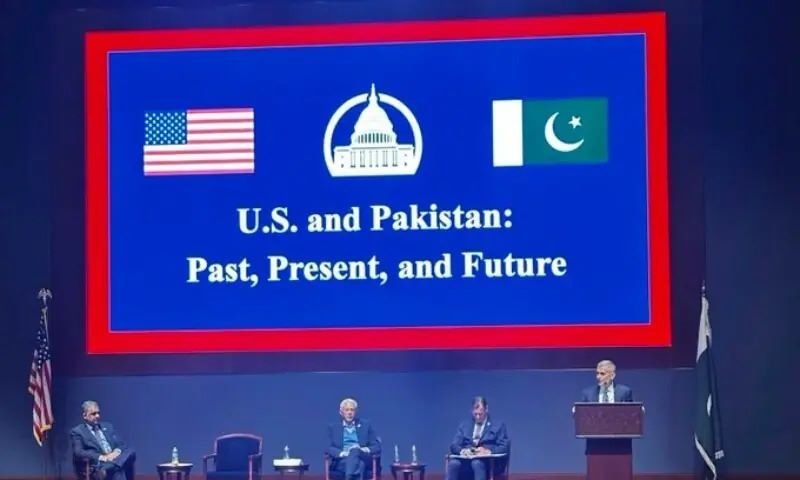
The discussion took place during a symposium titled “US and Pakistan: Past, Present, and Future,” organized by the Congressional Pakistan Caucus in collaboration with the Embassy of Pakistan. The session, held under the Chatham House Rule, was co-chaired by Tom Suozzi and Jack Bergman.
Speakers emphasized that Pakistan, a country of over 250 million people located at a strategic crossroads bordering Afghanistan, Iran, and India, should be viewed beyond a narrow security framework. They highlighted its growing middle class, large diaspora in the United States, natural resources, and nuclear capability as factors enhancing its regional importance, Dawn.com reported.
Pakistan’s Ambassador to the United States, Rizwan Saeed Sheikh, underscored the country’s geostrategic significance, noting its longstanding role in counterterrorism efforts and its sacrifices for regional and global peace. He reiterated Islamabad’s commitment to contributing to international stability.
Read More: Trump Approval Drops to 36% Amid Rising Fuel Costs and Iran War
Addressing the forum, Natalie Baker, Chargé d’Affaires at the US Embassy in Pakistan, thanked members of Congress for convening what she described as a timely and important discussion.
In a social media post, Congressman Suozzi said the event brought together experts to examine the historical, security, and economic dimensions of Pakistan–US relations and explore pathways for future cooperation.
Meanwhile, US State Department welcomed the symposium. Separately, Paul Kapur pointed to positive developments in bilateral ties during the tenure of Donald Trump, particularly in economic sectors such as minerals.
There was consensus that the relationship has at times been overly transactional, driven by immediate geopolitical needs rather than long-term institutional engagement. Participants stressed the need for clearer expectations and a more stable framework extending beyond crisis-driven security coordination.
Read More: China Urges Dialogue as Diplomacy Intensifies in Iran War
Security discussions focused on evolving threats, with participants noting that militant groups have become more fragmented and technologically advanced, posing risks beyond border areas to major urban centres. They emphasized that alongside military efforts, strengthening civilian law enforcement and rule of law is essential for sustainable counterterrorism.