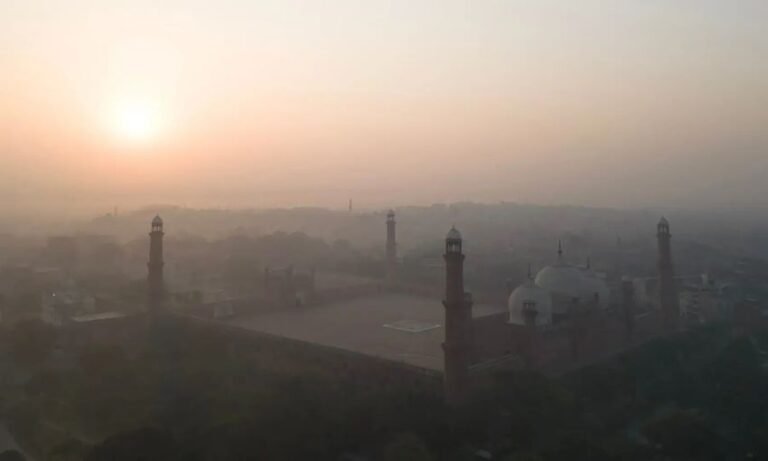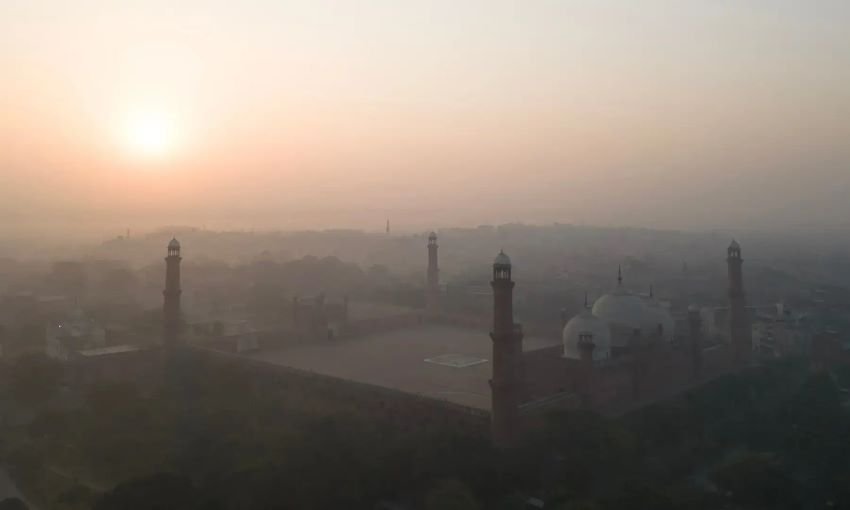
Islamabad (TDI): Pakistan was the most polluted country in the world in 2025, with levels of fine particulate matter far exceeding global safety standards, according to a new report by Swiss air quality monitoring firm IQAir.
The study found that concentrations of PM2.5, hazardous airborne particles that can penetrate deep into the lungs, were up to 13 times higher than the safe limit set by the World Health Organization.
Out of 143 countries and territories monitored, 130 failed to meet the WHO’s recommended annual average of less than 5 micrograms per cubic metre. Only 13 countries managed to stay within safe limits in 2025, compared to seven the previous year.
Bangladesh and Tajikistan ranked second and third among the most polluted countries, respectively, while Chad, which topped the list in 2024, dropped to fourth place. However, experts cautioned that data gaps may have influenced Chad’s ranking.
Christi Chester Schroeder, lead author of the report, said the absence of reliable data made it difficult to assess real changes in some regions. The issue was compounded after the United States discontinued a global air quality monitoring programme last year due to budget constraints, removing a key data source for several pollution-prone countries.
Read More: Wildfires Are Fueling Global Air Pollution: UN Report
At the city level, Loni in India recorded the highest pollution levels globally, followed by Hotan in China’s Xinjiang region. Notably, all of the world’s 25 most polluted cities were located in India, Pakistan, and China.
Globally, only 14% of cities met WHO air quality standards in 2025, down from 17% in 2024. Factors such as Canadian wildfires contributed to worsening air quality, affecting regions as far as the United States and Europe.
Read More: Air Pollution Levels in Lahore Rise 50 times Above WHO Limit
On a positive note, some countries reported improvements. Laos, Cambodia, and Indonesia saw declines in pollution levels, largely due to wetter and windier weather linked to La Niña conditions. Mongolia also recorded a significant 31% drop in PM2.5 concentrations.
Overall, 75 countries experienced improved air quality in 2025, while 54 saw pollution levels rise, highlighting uneven progress in tackling global air pollution.