Islamabad (TDI): The government has stepped up health screening at all entry points following the confirmation of two Nipah virus cases in India’s West Bengal, officials said.
The Ministry of National Health Services, Regulations & Coordination has mandated that no traveler will be allowed into Pakistan without clearance from Border Health Services (BHS). The measures aim to prevent cross-border transmission of the virus, which is classified by the World Health Organization (WHO) as a priority pathogen due to its high fatality rate of 40–70% and potential for human-to-human transmission.
The advisory instructs authorities to carry out 100% screening of all passengers, including transit travelers, crew members, drivers, and support staff, with verification of their country of origin and travel history over the past 21 days. Special attention will be given to arrivals from or transiting through areas affected by Nipah.
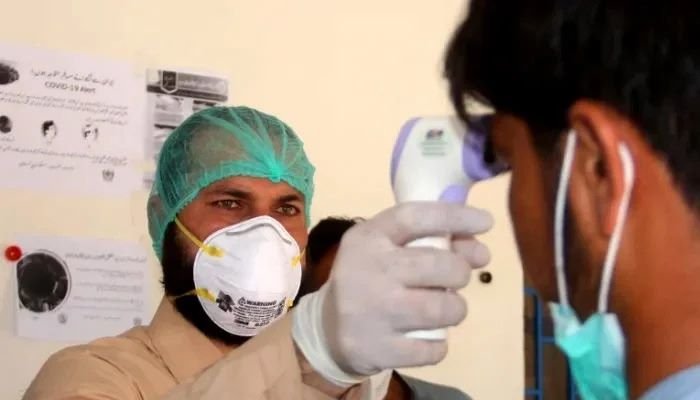
Thermal screening and clinical assessments will be conducted at all airports, seaports, and land crossings, with staff monitoring for symptoms such as fever, headaches, respiratory issues, confusion, or drowsiness. Suspected cases will be isolated and treated in designated facilities, while affected conveyances and surrounding areas will be disinfected according to approved protocols.
The ministry stressed strict adherence to infection prevention and control (IPC) measures, including the use of personal protective equipment (PPE), hand hygiene, and environmental sanitation, warning that any lapses will be considered serious negligence. Daily reports from all points of entry will be submitted to the National Command and Operation Centre (NCOC) and the National International Health Regulations (IHR) Focal Point.
Read More: Pakistan Records First MERS Coronavirus Case
Authorities in neighboring countries, including Singapore, Hong Kong, Thailand, and Malaysia, have also introduced screening measures to prevent the spread of the virus beyond India.
Nipah is a rare viral infection that primarily spreads from fruit bats to humans. Human-to-human transmission is possible but limited. Initial symptoms include fever, headaches, and muscle pain, which can progress to neurological issues such as acute encephalitis, seizures, or respiratory complications. Severe cases may lead to coma and death.
Read More: Mpox Virus Can Be Treated And Controlled; says WHO Official
First identified in Malaysia in 1999, Nipah outbreaks have since occurred sporadically in Bangladesh and India. As of December 2025, around 750 cases had been reported globally, with 415 fatalities. There are currently no approved vaccines or treatments, although candidate vaccines, including one developed by Oxford University scientists, are in testing phases.
While the virus is highly lethal, scientists say it does not spread easily among humans and the risk of a global outbreak remains low. Nevertheless, the WHO considers it a serious public health concern, particularly in regions prone to outbreaks.