Islamabad (TDI): Pakistan is set to expand access to free childhood cancer medicines starting in 2026, under a new collaboration with the World Health Organization (WHO).
Four hospitals in the country are finalizing preparations to receive these medicines before the end of the year, while seven additional centres aim to be ready in 2027.
The initiative is part of Pakistan’s participation in the Global Platform for Access to Childhood Cancer Medicines, co-founded by WHO and St. Jude Children’s Research Hospital in 2021. The platform is designed to provide an uninterrupted supply of quality-assured medicines to low- and middle-income countries. UNICEF will handle procurement and delivery to participating hospitals in Pakistan.
The program comes as Pakistan diagnoses over 8,000 new childhood cancer cases annually. Limited access to treatment has contributed to a low survival rate of around 30%, far below the 80% survival rate in higher-income countries. By ensuring free, quality-assured medicines, the initiative aims to increase survival rates to 60% by 2030.
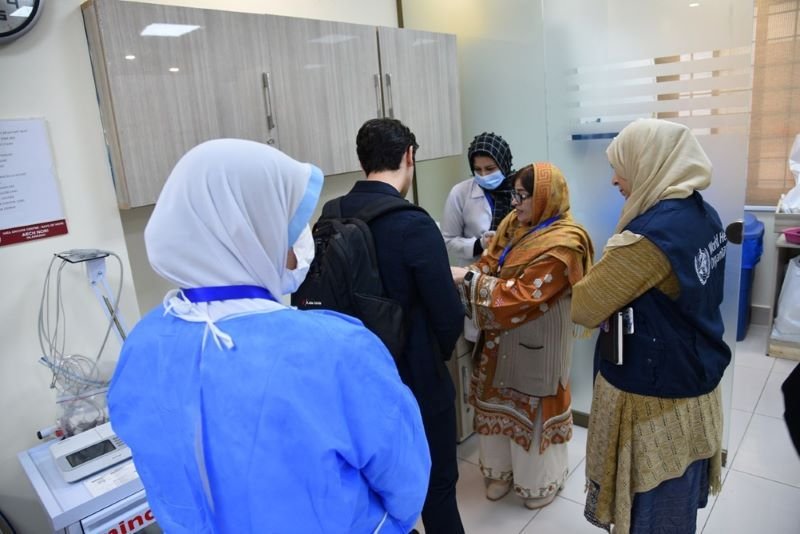
Hospital preparations follow technical missions from the Global Platform, which visited Pakistan in August 2025 and again from 30 January to 6 February 2026. These missions provided guidance to implement standards and operational practices that will enable hospitals to safely and effectively administer the medicines.
Read More:IAEA Chief Praises Pakistan’s Efforts to Fight Cancer, Pledges Ongoing Support
Beyond supplying medicines, the initiative will support Pakistan’s Ministry of Health and provincial authorities with technical guidance, resources, and operational support to strengthen the health system and enhance childhood cancer services nationwide.
Dr. Luo Dapeng, WHO’s representative in Pakistan, said, “Every child has the right to receive quality cancer treatment, regardless of their economic status, where they live or who they are. No child affected by cancer should die because of a lack of access to treatment. WHO is fully committed to working side by side with Pakistan and partners to save lives and leave no child behind.”
Read More:First Lady Urges United Effort to Fight Breast Cancer in Pakistan
Globally, an estimated 400,000 children develop cancer each year, with nearly 90% living in low- and middle-income countries where survival rates are less than 30%. The program in Pakistan seeks to address this gap by ensuring children receive life-saving treatments regardless of socio-economic status.

Sohail Majeed
Sohail Majeed is a Special Correspondent at The Diplomatic Insight. He has twelve plus years of experience in journalism & reporting. He covers International Affairs, Diplomacy, UN, Sports, Climate Change, Economy, Technology, and Health.