Islamabad (TDI): Pakistan said on Thursday it was making every effort to bring the United States and Iran back to the negotiating framework established under the Islamabad Memorandum of Understanding (MoU) signed last month.
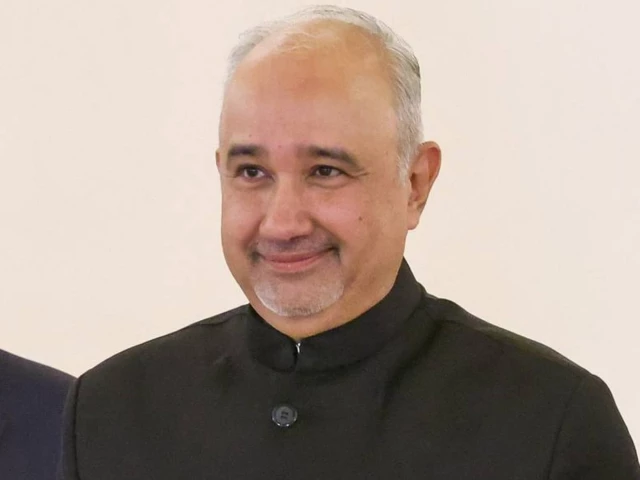
Speaking at the Foreign Office’s weekly press briefing, spokesperson Tahir Andrabi said Pakistan was concerned that the security situation in the Middle East remained precarious despite a relative calm in recent days.
He said the brief lull had raised hopes that the cessation of hostilities could develop into a durable ceasefire and create space for renewed dialogue. Andrabi reiterated Pakistan’s position that dialogue and diplomacy remain the only viable path forward, welcoming efforts aimed at sustaining the ceasefire and restarting negotiations between Washington and Tehran.
“We welcome all efforts aimed at sustaining cessation of hostilities and resumption of dialogue between Iran and the US,” he said. The spokesperson said Pakistan remained actively engaged in diplomatic efforts and was doing its “utmost” to bring the two sides back to the Islamabad MoU.
Read More: US Sanctions Companies Linked to Iran’s Hormuz Shipping Network
He said negotiations were continuing to normalise the situation, particularly regarding the Strait of Hormuz, and to reduce tensions. Pakistan also urged the United States and Iran to exercise maximum restraint and honour their commitment to resume technical-level talks under the Islamabad MoU and the Pakistan-Qatar joint statement of June 22.
The Islamabad MoU was signed on June 18 following weeks of intensive diplomacy. It sought to facilitate the reopening of the Strait of Hormuz and end the wider Middle East conflict through a further 60-day period of negotiations.
However, renewed hostilities erupted on July 7 after Iran attacked commercial shipping in the Strait of Hormuz, including a Qatari liquefied natural gas tanker. Tehran accused Washington of violating the understanding, leading to further US strikes on Iranian military targets.
Read More: US Strikes Iran After Tehran Targets American Bases in Jordan
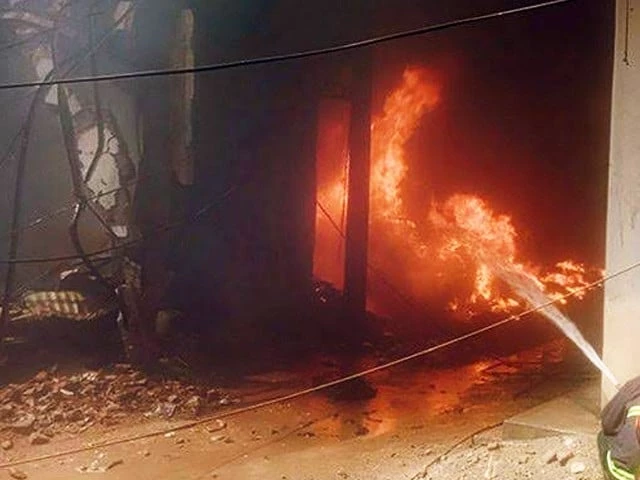
The conflict has since expanded across the region, including attacks involving Houthi rebels in Yemen and strikes involving Iran-backed groups in Iraq. On Wednesday, the conflict spread to additional fronts, with explosions reported at a natural gas loading port in Egypt and a US-owned floating storage tanker reportedly struck by a drone. The United States and Saudi Arabia also carried out joint strikes against Iran-backed paramilitary groups in Iraq.
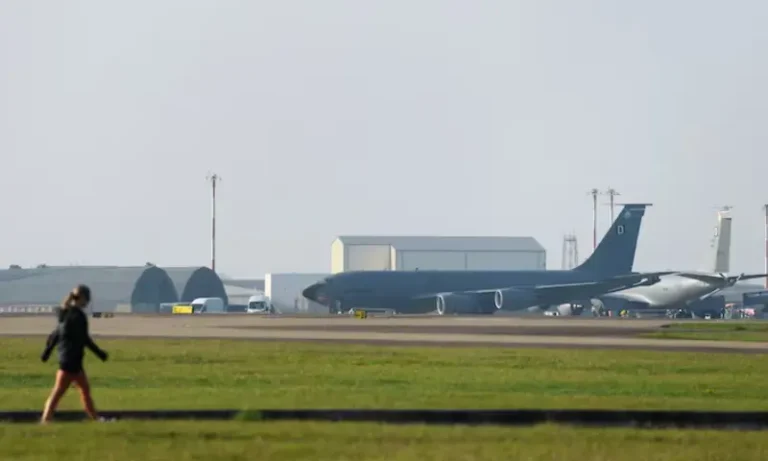
On Thursday, the United States launched another wave of strikes against Iran after Tehran targeted American bases in Jordan.