Pakistan and Saudi Arabia engaged in high-level diplomatic contact on Friday as Islamabad seeks to de-escalate mounting tensions along the Pakistan-Afghanistan border following a fresh round of intense clashes.
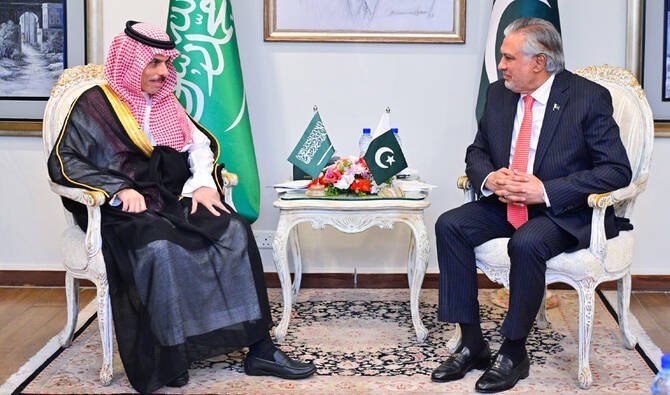
Deputy Prime Minister and Foreign Minister, Ishaq Dar, held a phone call with Saudi Foreign Minister, Prince Faisal bin Farhan bin Abdullah, to discuss the latest developments and explore avenues to reduce friction, according to a report from the Saudi Press Agency.
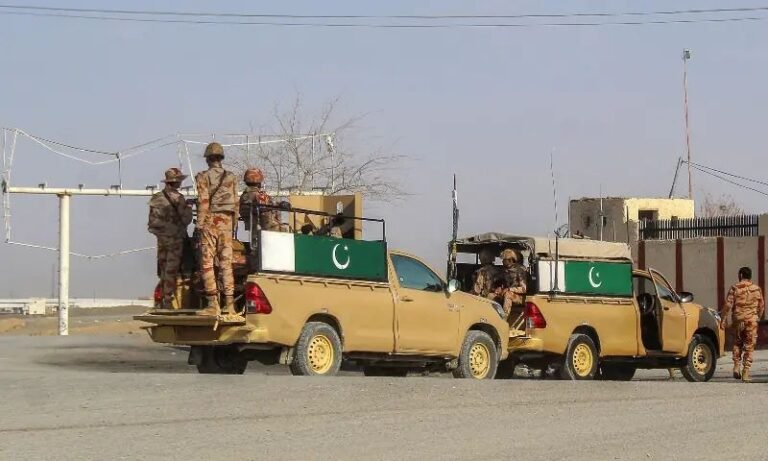
The talks come against the backdrop of renewed hostilities between Pakistani forces and Afghan Taliban fighters along the roughly 2,600-kilometer shared border, which flared after Islamabad launched air strikes on Saturday, targeting militant hideouts responsible for a spate of recent suicide attacks in Pakistan.
Islamabad’s strikes have triggered reciprocal action, with Afghan forces claiming to have hit Pakistani military positions, a contention Pakistani officials dispute.
The confrontations represent the second major escalation in recent months and highlight the fragility of the ceasefire that was brokered last October following an earlier bout of fighting.
Read More: Fighting Along Angoor Adda, Landi Kotal Border Subsides, Pakistan Captures Afghan Checkposts
These clashes stem from a similar and persistent tussle between the two neighbors, where Pakistan presses the Taliban regime to not give refuge to militants of Tehreek i Taliban Pakistan (TTP), who frequently carry out attacks inside Pakistan. The Taliban regime, with a history of ties with TTP, hosts considerable numbers of these militant fighters.
In their conversation, the two foreign ministers emphasized the importance of diplomatic engagement and regional cooperation to prevent further destabilization. They discussed mechanisms to temper tensions and reaffirmed the need to protect civilian populations and critical infrastructure.
The diplomatic outreach reflects ongoing efforts by Gulf states and regional partners, including Qatar and Türkiye, to mediate between Islamabad and Kabul and avert a broader confrontation.
Iran has also offered to facilitate dialogue between the two neighbors, underscoring growing concern among regional capitals about the potential for conflict spill-over.