Geneva (TDI): Pakistan has showcased a wide range of legislative and policy reforms aimed at improving the protection and welfare of children during its recent review by the United Nations Committee on the Rights of the Child (CRC).
Yet, despite notable progress since its last review in 2016, deep-rooted challenges continue to hinder the full realization of children’s rights across the country.
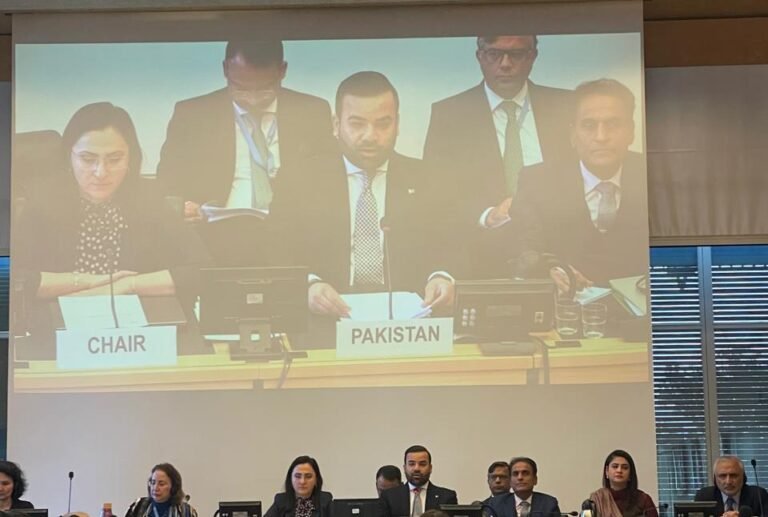
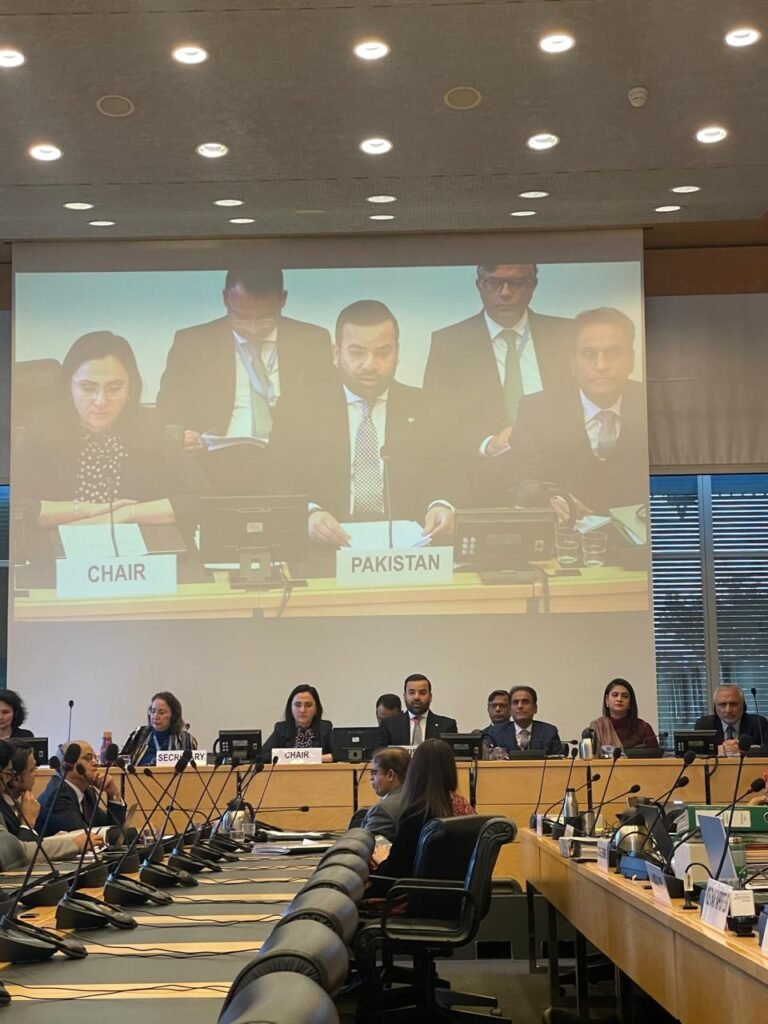
Pakistan presented its combined sixth and seventh periodic reports under the UN Convention on the Rights of the Child, along with its initial report under the Optional Protocol on the Sale of Children, Child Prostitution and Child Pornography, during a session in Geneva.
The delegation was led by Minister of State for Law and Justice Barrister Aqeel Malik and included senior officials from the Ministry of Human Rights, provincial child protection authorities, and Pakistan’s permanent mission to the UN.
Officials highlighted a series of landmark legal reforms enacted at federal and provincial levels. Among the most significant were new laws prohibiting child marriage by setting the minimum legal age at 18 for both boys and girls, including the Islamabad Capital Territory and Balochistan.
Child Marriage Restraint Acts of 2025. These measures aim to harmonize age-of-marriage standards nationwide and strengthen penalties against the practice.
Parliament has also passed legislation criminalizing online child sexual abuse and cyberbullying, expanded maternity and paternity leave, and mandated daycare facilities in workplaces.
Read More: Pakistan Pledges Protection, Right to Education on World Children’s Day
Additional safeguards include stronger protections against child trafficking, amendments raising the minimum marriage age for religious minorities, and enhanced juvenile justice procedures. The Zainab Alert, Response and Recovery Act remains a central tool in tackling child abductions and exploitation.
During the interactive dialogue, the delegation addressed concerns about the implementation of the Juvenile Justice System Act, 2018. Barrister Aqeel Malik noted that a National Coordination Committee is finalizing rules to ensure uniform application of the law across provinces.
Provincial representatives, including Punjab Child Protection and Welfare Bureau Chairperson Sara Ahmed, emphasized a zero-tolerance policy toward child abuse and ongoing efforts to protect vulnerable children.
The government also pointed to social protection and policy initiatives, such as the ZARRA mobile application for reporting abuse, free legal aid for children, and the Benazir Nashounuma Program targeting malnutrition and stunting among young children.
A national education emergency declared in 2024 aims to address out-of-school children and related nutrition gaps. However, the review also underscored persistent challenges.
Poverty, regional insecurity, terrorism, climate-related disasters, and uneven implementation of laws continue to affect children’s access to education, health care, and protection. While budgetary allocations for child-related programs have increased in several provinces, disparities remain.
As the review concluded, Pakistan reaffirmed its commitment to continued engagement with the UN system and to strengthening protections for children.
The CRC Committee is expected to issue its concluding observations, which will outline key concerns and recommendations, keeping the spotlight on whether reforms translate into meaningful change for millions of Pakistani children.