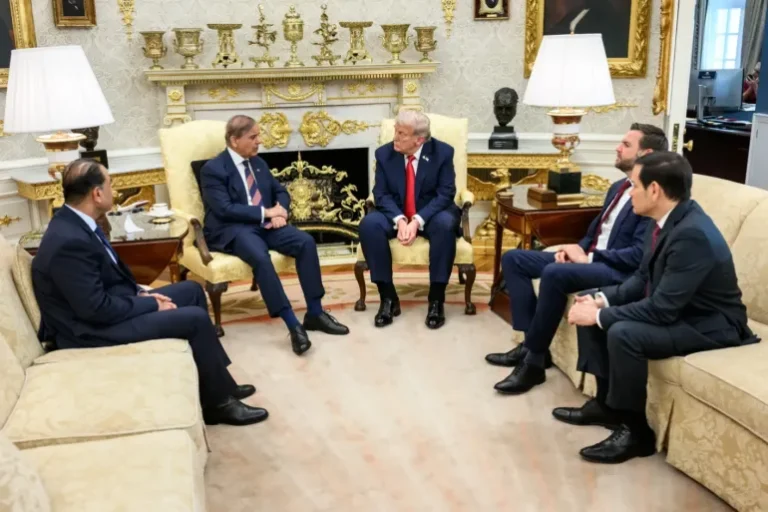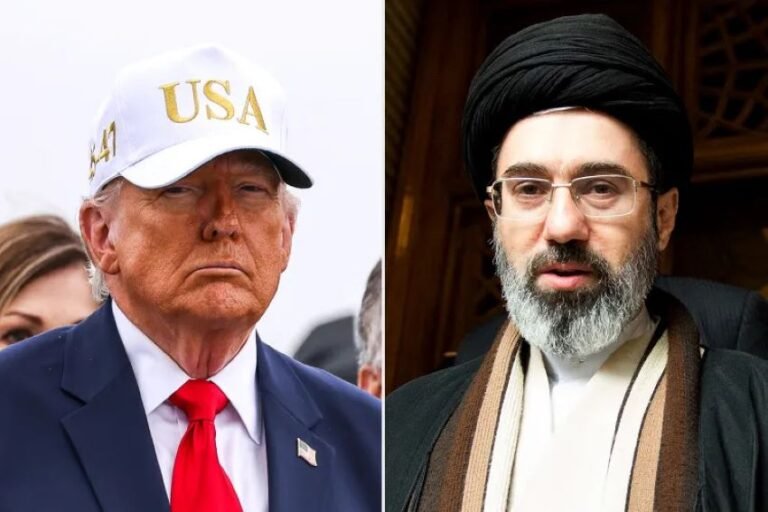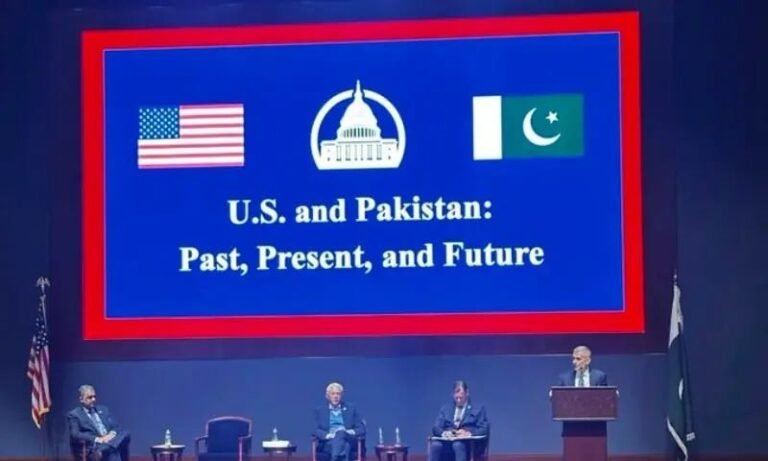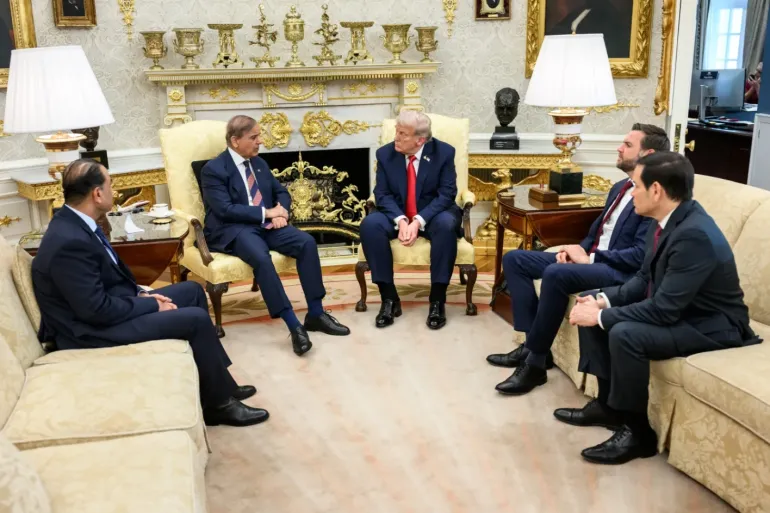
Islamabad (TDI): Pakistan has made a formal offer to host talks between the United States and Iran to help achieve a settlement and ceasefire in the ongoing military conflict involving Iran, the United States, and Israel.
The mediation offer was made public on Tuesday as Pakistani Prime Minister, Shehbaz Sharif, took to the social media platform X saying, “Pakistan welcomes and fully supports ongoing efforts to pursue dialogue to end the WAR in the Middle East, in the interest of peace and stability in the region and beyond.”
Reports started surfacing yesterday; contending that Pakistani officials played a role in securing a temporary pause in planned US strikes on Iran’s energy infrastructure; which were partially confirmed when Sharif tagged President Donald Trump, US Special Envoy Steve Witkoff, and Iranian Foreign Minister Abbas Araghchi in his X post.
Pakistan welcomes and fully supports ongoing efforts to pursue dialogue to end the WAR in Middle East, in the interest of peace and stability in region and beyond. Subject to concurrence by the US and Iran, Pakistan stands ready and honoured to be the host to facilitate…
— Shehbaz Sharif (@CMShehbaz) March 24, 2026
What the White House Said
The White House described the diplomatic situation as fluid and sensitive. Press Secretary Karoline Leavitt said, “These are sensitive diplomatic discussions, and the US will not negotiate through the press.”
“This is a fluid situation, and speculation about meetings should not be deemed as final until they are formally announced by the White House,” Leavitt added. She stopped short of confirming or denying any planned talks in Islamabad.
Pakistan’s army chief, Field Marshal Syed Asim Munir, has emerged as a key interlocutor in what is known about the backchannel diplomacy yet.
Reports indicate that a US-proposed 15-point plan addressing Iran’s nuclear programme, ballistic missiles and secure navigation through the Strait of Hormuz was delivered to Tehran via Pakistani channels.
Prime Minister Shehbaz Sharif recently held a telephone conversation with Iranian President Masoud Pezeshkian, stressing the need for dialogue and unity within the Muslim world.
Read More: Pakistan’s Mediation Offer in Iran War Signals Rising Diplomatic Confidence: Experts
Deputy Prime Minister and Foreign Minister Ishaq Dar engaged with Iranian Foreign Minister Abbas Araghchi, emphasizing that diplomacy remains the only path to regional stability.
Meanwhile, Pakistan’s Foreign Office reiterated its previously-held position: “If the parties desire, Islamabad is always willing to host talks.”
Iran has acknowledged receiving messages through “friendly countries” but continues to publicly deny direct or indirect negotiations. Tehran insists that any resolution must include guarantees against future attacks, compensation for damages, and recognition of its rights.
Pakistan’s calibrated diplomacy maintaining engagement with both Tehran and Riyadh while avoiding military entanglement has allowed it to position itself as a potential bridge for de-escalation.
From back and forth telephonic contacts to the formal offer of hosting talks, Pakistan’s role surfaces precisely at a time when combat damage and energy disruptions have come to a near point of early exhaustion.

Muhammad Usman Hashmi
Muhammad Usman Hashmi is a researcher in International Relations, focusing on climate diplomacy, global governance, and political economy in the Global South. He has contributed to policy dialogues with the Foreign Policy Community of Indonesia and serves as a Senior Research Fellow at the International Council on Human Rights, Peace and Politics. He is also associated with Rethinking Economics Islamabad, contributing to research on development and sustainability. He can be reached at musmanhashmi99@gmail.com