A policy note by the Sustainable Development Policy Institute (SDPI), Islamabad, warns that the ongoing conflict involving the United States, Israel, and Iran could significantly strain Pakistan’s fragile economy, primarily through surging global energy prices and their ripple effects on inflation, growth, and external balances.
The report, prepared by economist Sajid Amin Javed of the Policy Solutions Lab at SDPI, outlines multiple scenarios of oil price shocks and their transmission into Pakistan’s macroeconomic indicators. The findings suggest that even under a relatively moderate trajectory, the economic fallout could be substantial.
According to the analysis, Pakistan’s annual average inflation could rise to between 11% and 13%, nearly double the State Bank of Pakistan’s target range of 5–7%.
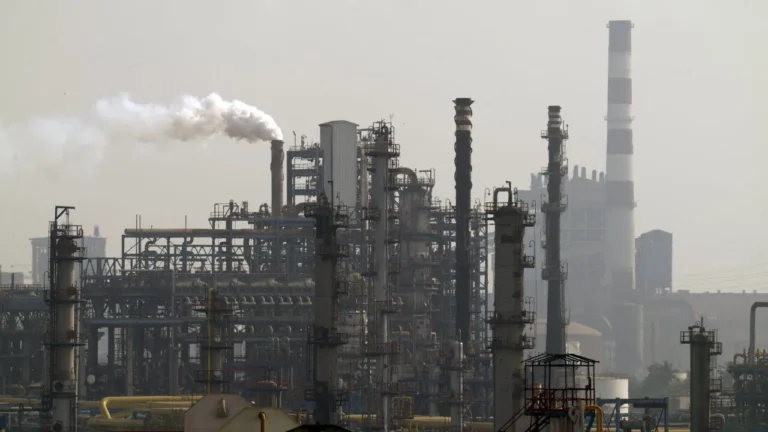
This surge is driven largely by higher oil prices, which are assumed to climb from around $80 per barrel to as high as $130–$150 amid geopolitical disruptions.
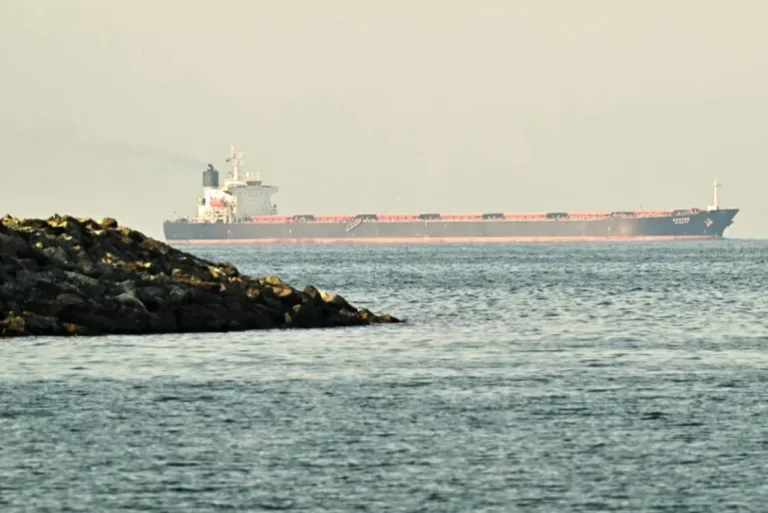
The report highlights that Pakistan, which imports roughly 160 million barrels of crude oil annually, remains highly vulnerable to such external shocks.
Even in a “phased” scenario, where oil prices spike temporarily before stabilizing, the country’s oil import bill could increase by about $6.2 billion. In more severe cases, the additional burden could exceed $11 billion, worsening the current account deficit and putting pressure on the rupee.
Read More: Why Pakistan Cannot Simply Just Switch Oil Suppliers
The study estimates that GDP growth could fall to around 3.0–3.3%, compared to a baseline of 3.5%. If the conflict persists and leads to prolonged energy shortages, particularly disruptions in liquefied natural gas (LNG) supply, growth could dip below 3%. Industrial output may be especially affected due to potential gas rationing.
The analysis underscores a well-established economic relationship: rising oil prices fuel inflation, which in turn dampens growth. Empirical evidence cited in the report suggests that a 10% increase in oil prices can raise Pakistan’s headline inflation by 0.2–0.4 percentage points, while also exerting a negative impact on GDP.
Beyond immediate price pressures, the report warns of broader risks, including reduced remittances from Gulf countries and weaker export performance, both of which could compound external vulnerabilities.
While a temporary spike in oil prices may allow policymakers some room to manage the shock, a prolonged conflict would deepen macroeconomic stress.
The report concludes that the duration and trajectory of oil price increases will be critical in determining the scale of Pakistan’s economic challenges in the months ahead, urging policymakers to prepare mitigation strategies to cushion the impact.