
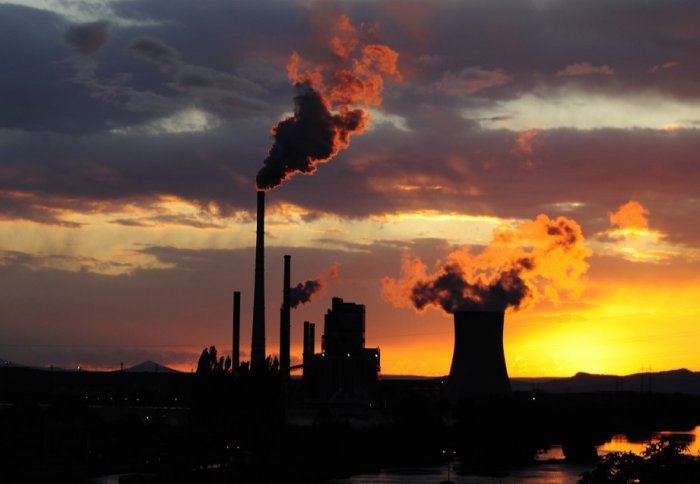
New York (TDI): Global oil prices dropped to their lowest levels in nearly two weeks on Monday as optimism grew over a possible peace agreement between the United States and Iran, easing fears of prolonged disruption in Middle Eastern energy supplies.
Brent crude declined by more than four percent to trade below $99 per barrel, while US West Texas Intermediate also recorded sharp losses, falling to nearly $92 per barrel. Both benchmarks touched their weakest levels since early May during trading.
Market sentiment improved after US President Donald Trump said over the weekend that Washington and Tehran had “largely negotiated” a memorandum of understanding aimed at ending tensions and reopening the Strait of Hormuz, one of the world’s most important energy shipping routes.
Before the conflict, the strait handled nearly 20 percent of global oil and liquefied natural gas shipments. Any signs of progress toward restoring normal shipping activity are therefore being closely watched by global markets and energy traders.
Despite the optimism, several major disagreements between the two sides remain unresolved. Trump said on Sunday that he had instructed negotiators not to rush into a final agreement, indicating that talks were still ongoing and sensitive issues had yet to be settled.
Read More: Oil Prices Rise as Markets Doubt Breakthrough in US-Iran Talks
Analysts said the prospect of reduced geopolitical tensions provided some immediate relief to oil markets, though uncertainty continues to cloud the outlook. Experts warned that even if a deal is reached, it may take months for oil flows through the Strait of Hormuz to fully return to normal and for damaged infrastructure to be repaired.
Financial markets also reacted positively to hopes of de-escalation. US stock futures moved higher, while investors shifted away from safe-haven assets such as the dollar. Meanwhile, analysts noted that markets would likely remain cautious until there is formal confirmation that maritime routes in the Gulf are fully reopened and operational again.
Read More: Oil Prices Hit 4-Year High Amid US-Iran Tensions
Economists and energy strategists say the timing and conditions surrounding the reopening of the Strait of Hormuz will remain one of the most critical factors shaping global oil prices and broader market stability in the coming weeks.