Islamabad (TDI): Oil prices edged higher on Thursday while global equities showed mixed performance, as investors weighed conflicting signals over potential US-Iran talks aimed at ending the ongoing Middle East conflict.
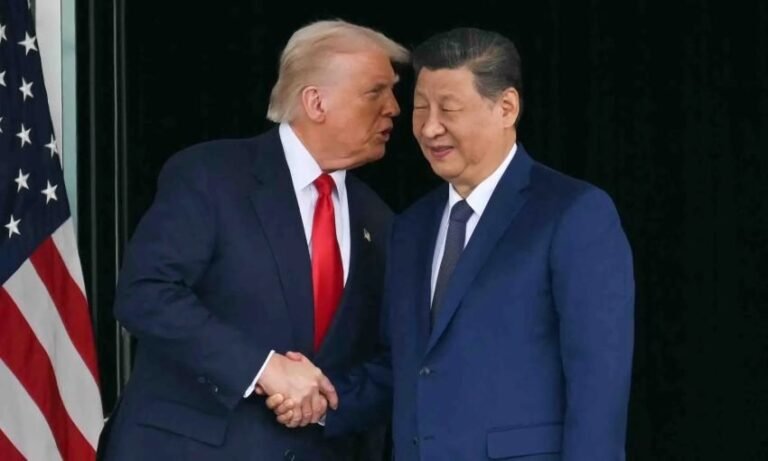
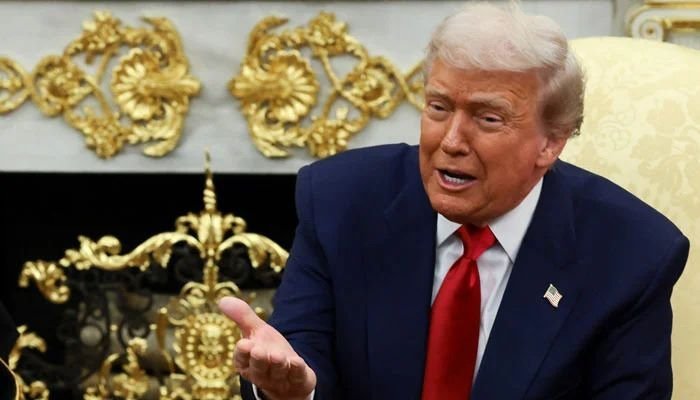
Market sentiment has improved since earlier in the week after US President Donald Trump stepped back from threats to target Iran’s energy infrastructure and indicated that peace discussions were underway. However, uncertainty persists as Iranian officials continue to deny formal negotiations.
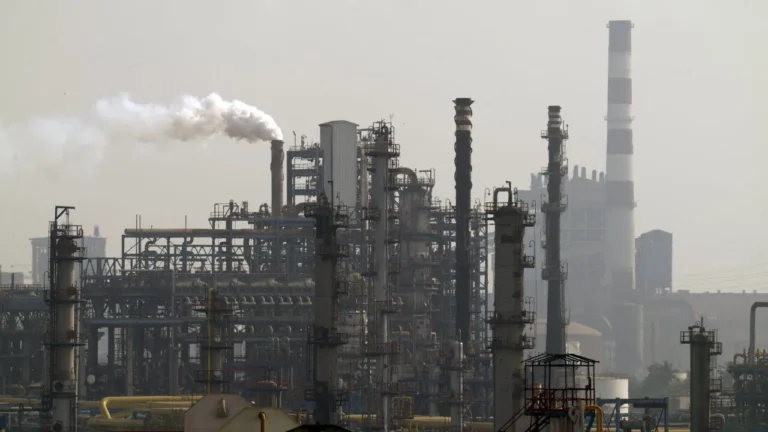
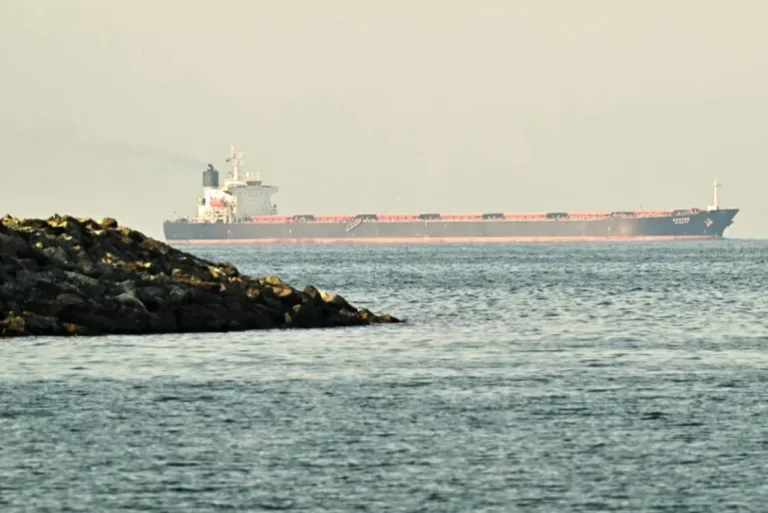
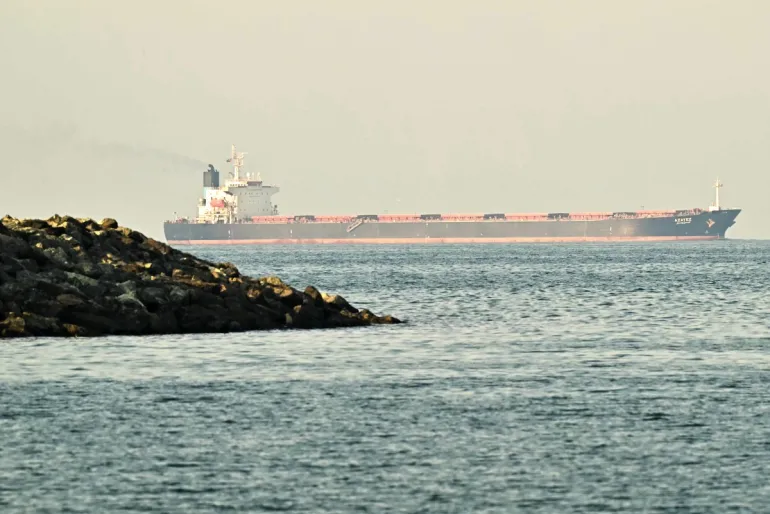
Crude prices, though lower than last week’s peaks, remain elevated amid the near shutdown of the Strait of Hormuz, a vital corridor through which roughly 20% of the world’s oil and gas supplies pass.
Washington has reportedly proposed a 15-point plan to end the conflict, including curbs on Iran’s nuclear activities and reopening the key shipping route. Tehran, in response, has outlined its own conditions for ending hostilities. Still, Iran’s Foreign Minister Abbas Araghchi has maintained that his country is not engaged in negotiations.
Despite issuing warnings that the US could “unleash hell” if no agreement is reached, Trump has also suggested that backchannel talks are ongoing, attributing Iran’s public denials to internal pressures.
Read More: Oil Prices Rise as Supply Fears Persist Amid Iran War
With cautious optimism lingering, oil prices have stabilised this week, with Brent crude trading above $100 per barrel and US WTI hovering near $90.
Equity markets, meanwhile, reflected the uncertainty. While Wall Street and European indices posted gains, Asian markets showed mixed trends. Tokyo, Hong Kong, Shanghai, Seoul, Manila, and Jakarta closed lower, while Singapore, Wellington, and Taipei edged higher. Sydney remained largely unchanged.
Read More: War Disrupts Supply, Sends Middle East Oil Benchmarks Soaring
Adding to concerns, the World Trade Organisation said disruptions to fertiliser supply chains, a third of which typically pass through the Strait of Hormuz, could threaten global food security by driving shortages and higher prices.
As markets continue to react to geopolitical developments, investors remain focused on whether diplomatic efforts can materialise into a concrete ceasefire.