Nawruz is considered one of the most ancient festivals of the Aryan peoples. This magnificent celebration is observed annually on 21 March, coinciding with the arrival of spring and the vernal equinox, symbolizing the beginning of the new year. Nawruz is not merely a traditional ceremony; it is a profound cultural and civilizational phenomenon with social and even political dimensions. Over the course of millennia, it has promoted universal values such as respect for nature, human solidarity, and harmony among communities.
In the context of globalization, Nawruz has been increasingly recognized as a shared heritage of humanity and has strengthened its position on the international stage. The adoption of a special resolution by the United Nations recognizing the International Day of Nawruz, as well as its inscription on the UNESCO Representative List of the Intangible Cultural Heritage of Humanity, serves as compelling evidence of the festival’s global significance.
Historical Roots and the Origins of Nawruz. It has a history of more than three millennia and dates back to the pre-Islamic era and the cultural traditions of the Aryan civilization. Its origins are closely associated with the ancient rituals of Iranian peoples who celebrated the awakening of nature and the equal length of day and night as the beginning of the new year.
In ancient Aryan states, this celebration symbolized the triumph of light over darkness, warmth over cold, and goodness over evil. Early sources, including the sacred Zoroastrian text Avesta, contain references to philosophical ideas and ritual practices that closely correspond with the spirit and symbolism of Nawruz.
During the periods of the Achaemenid and later the Sasanid Empires, Nawruz was celebrated as an official state holiday. Historical accounts describe Persian monarchs organizing grand ceremonies on this occasion, during which representatives of various nations presented gifts to the royal court.
In the Islamic period, Nawruz preserved its cultural significance and gradually integrated with Islamic ethical values. Classical Persian and Tajik literature—including the works of Abu Abdullo Rudaki, Abulqosem Firdawsi, and Omar Khayom, celebrates Nawruz as a symbol of renewal, beauty, and joy.
In Firdawsi’s monumental epic Shohnama, the legendary king Jamshed is credited with establishing Nawruz, marking the beginning of a new era of justice and order.
Nawruz and Nature: Renewal and Rebirth. Nawruz is deeply connected with the revival of nature and the beginning of a new cycle of life. During this period, the earth awakens from its winter slumber: trees blossom, plants begin to grow, and birds return to their nests, greeting the arrival of spring with melodic songs.
The festival embodies the ideals of renewal, purity, and constructive transformation. With the arrival of Nawruz, people not only witness the changes in nature but also begin a new chapter in their personal lives—one filled with hopes, aspirations, and positive intentions.
Nawruz encourages both spiritual and physical purification. Traditions such as cleaning homes, renovating living spaces, whitewashing walls, and preparing festive tables symbolize a fresh start and renewed hope. These practices are not merely symbolic; they also carry significant psychological and social benefits, fostering a sense of unity and optimism within communities.
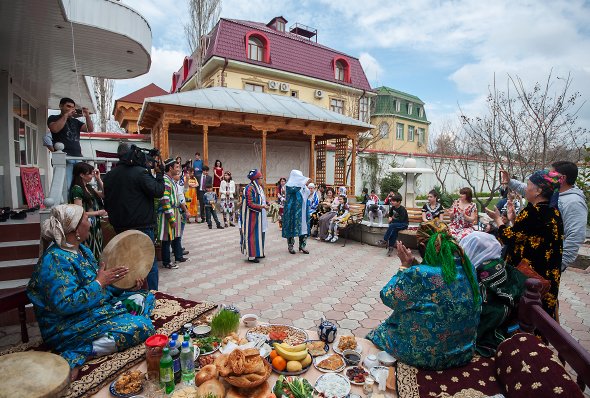
Rituals and Traditions of Nawruz. One of the most significant elements of Nawruz is the preparation of the traditional festive table known as Haft-Sin or Haft-Shin. In Tajik culture, Haft-Sin is more commonly practiced. It consists of seven items beginning with the Persian letter “S,” such as:
- Sabza (sprouted greens)
- Sumalak (sweet wheat pudding)
- Sir (garlic)
- Serka (vinegar)
- Sabzi (greens)
- Senjid (oleaster fruit)
- Sipand (wild rue seeds)
Each element symbolizes particular values, including health, prosperity, vitality, and purity. Among these traditions, Sumalak, prepared from sprouted wheat, is one of the most important symbols of Nawruz. Its preparation traditionally involves women and girls gathering together, singing songs and reciting blessings throughout the cooking process. This ritual represents collective solidarity and social cooperation.
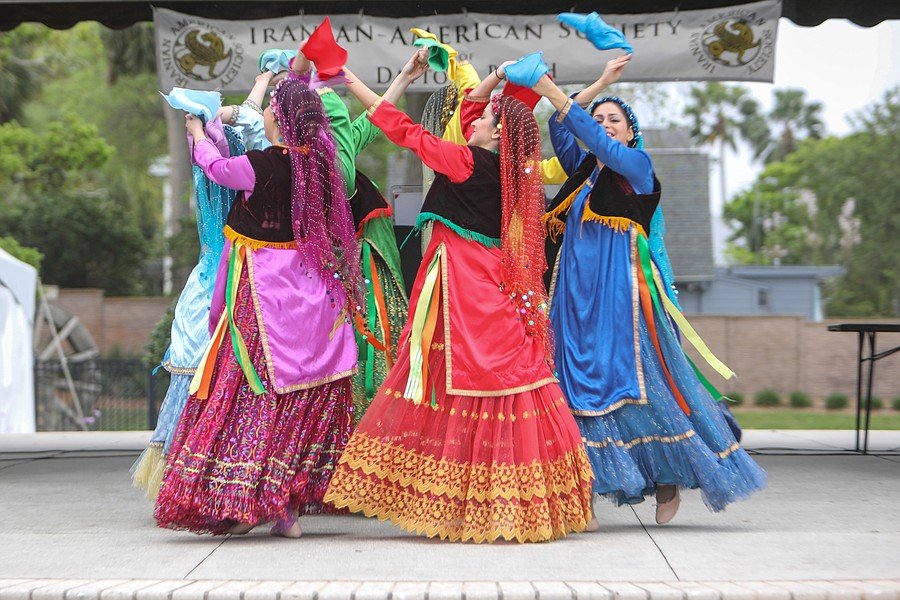
In addition, national sporting competitions such as traditional wrestling, buzkashi, horse racing, and various cultural performances form an integral part of the celebration. These traditions not only reinforce national identity but also reflect the historical lifestyle and cultural continuity of the people.
Nawruz in Independent Tajikistan. Following the restoration of state independence, Nawruz has become one of the central pillars of Tajikistan’s cultural policy and national identity. The holiday is celebrated with particular grandeur in the capital Dushanbe as well as in other cities and districts throughout the country.
Through the initiatives of President Emomali Rahmon, Nawruz has been actively promoted at the international level and has become a symbol of the peace-loving culture and civilizational heritage of the Tajik people. These efforts have significantly contributed to strengthening the country’s cultural diplomacy and international cultural presence.
Nawruz as a Cultural Heritage of Humanity. In 2009, Nawruz was inscribed on the UNESCO Representative List of the Intangible Cultural Heritage of Humanity, and in 2010 the United Nations General Assembly declared 21 March the International Day of Nawruz. These decisions demonstrate that Nawruz has transcended the boundaries of a national celebration and has evolved into a universal cultural value shared by many nations.
Today, Nawruz is celebrated in numerous countries including but not limited to Tajikistan Iran, Afghanistan, Uzbekistan, Kazakhstan, Kyrgyzstan, Chima, Russia and several other states. It serves as a powerful platform for intercultural dialogue, regional cooperation, and the strengthening of friendship among peoples.
The Social and Ethical Values of Nawruz. It promotes universal human values such as peace, mutual understanding, respect for elders, and compassion for those in need. On this day, people visit relatives and friends, set aside grievances, and begin the new year with goodwill and reconciliation.
Thus, Nawruz is not merely a seasonal celebration but a profound cultural and civilizational phenomenon rooted in ancient history that continues to preserve and transmit its values to the present day. The celebration of 21 March as Nawruz symbolizes the rebirth of nature, the beginning of a new life cycle, and the ideals of peace and human solidarity.
In an era when the global community increasingly seeks shared values and cultural dialogue, Nawruz can serve as a powerful example of peaceful coexistence among cultures and civilizations. For Tajikistan and other countries that celebrate this festival, preserving and developing the traditions of Nawruz is not only a cultural responsibility but also a historical and moral mission.

Somon Ghoibnazarzoda
Somon Ghoibnazarzoda is a Junior Researcher at the USA & Canada Department of the Institute for the Study of Asian & European Countries, National Academy of Sciences, Tajikistan.