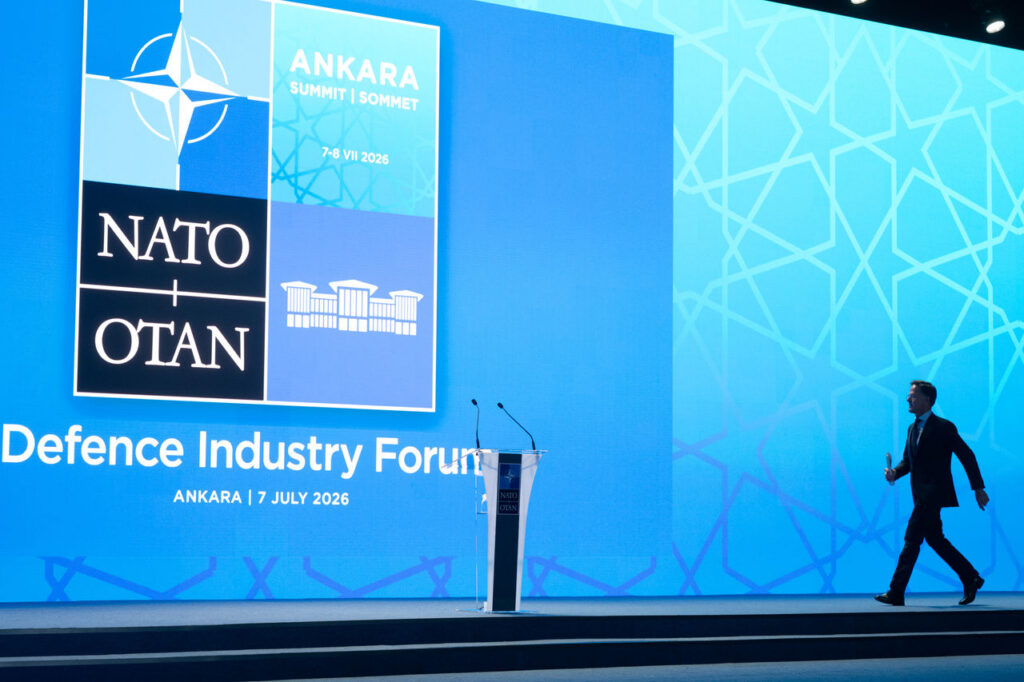
NATO announced a wave of major new procurements on Tuesday at the Summit Defense Industry Forum in Ankara, part of an effort to convert last year’s defense spending pledges from the Hague summit into tangible military hardware and industrial capacity.
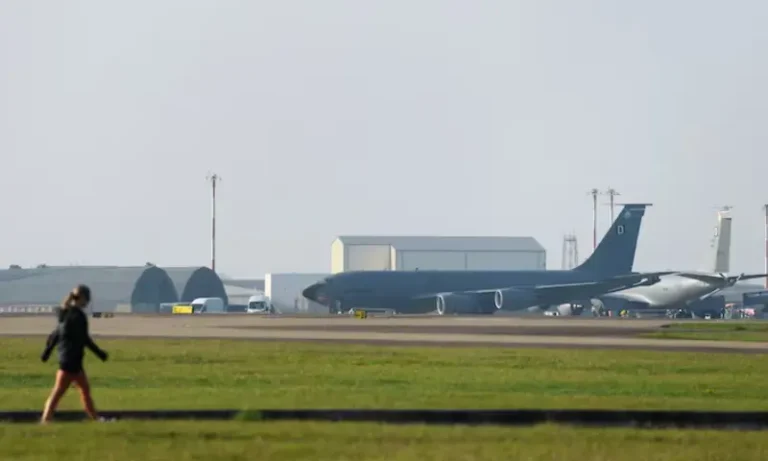
Secretary General Mark Rutte revealed several headline acquisitions: the delivery of the 10th Airbus A330 tanker aircraft to NATO’s Multinational Multi-Role Tanker Transport Fleet, the purchase of Northrop Grumman Triton un-crewed aircraft to boost maritime surveillance, and a joint procurement of Saab GlobalEye aircraft to modernise the Alliance’s airborne early warning and control systems.
The forum drew allied defense ministers, senior officials, and representatives from more than 100 companies, all focused on turning last year’s Hague investment commitments into concrete capabilities.
“The money is there, and more is coming,” Rutte told attendees, urging governments and industry to “do more, faster, together.”
It is a great pleasure to be at the #NATOsummit Defence Industry Forum
To keep our 1bn people safe in a more dangerous world, we need a transatlantic defence industrial revolution
we need to turn our cash into capabilities
and we need it now pic.twitter.com/GPd0zsKqmc
— Mark Rutte (@SecGenNATO) July 7, 2026
Beyond the aircraft deals, Rutte unveiled the NATO Drone Edge initiative, which will pour new investment into counter-drone systems and expand training for drone operators; a direct response to the proliferation of drone warfare seen in recent conflicts.
He also issued a call to action to major financial institutions, pressing them to direct more capital toward the defense sector to accelerate production and innovation across the Alliance.
Two additional initiatives aimed at industry were also launched. The NATO Front Door for Industry is a new platform designed to streamline how companies engage with the Alliance, while NATO’s first public unclassified “demand signal” will give defense firms greater visibility into what capabilities allied governments actually need.
Rutte also introduced the NATO Engine, a project intended to expand production capacity by linking defense manufacturing lines with civilian ones across member states; a move aimed at easing the industrial bottlenecks that have slowed weapons deliveries in recent years.
Separately, Deputy Secretary General Radmila Shekerinska announced further initiatives covering space and surveillance systems, strike capabilities, and integrated air and missile defense, rounding out a day focused squarely on defense-industrial mobilization.
Together, the announcements reflect NATO’s broader push since the Hague summit to close the gap between political commitments on defense spending and actual delivery of equipment; a challenge that has drawn scrutiny as European militaries seek to rebuild stockpiles and capabilities amid heightened security concerns on the continent’s eastern flank.