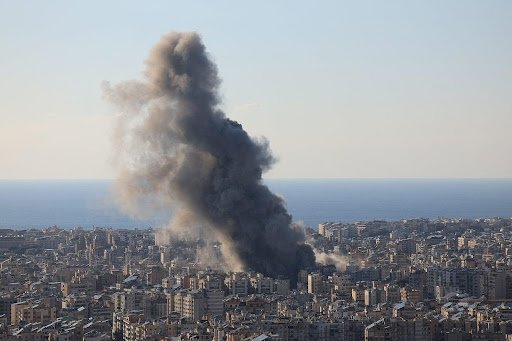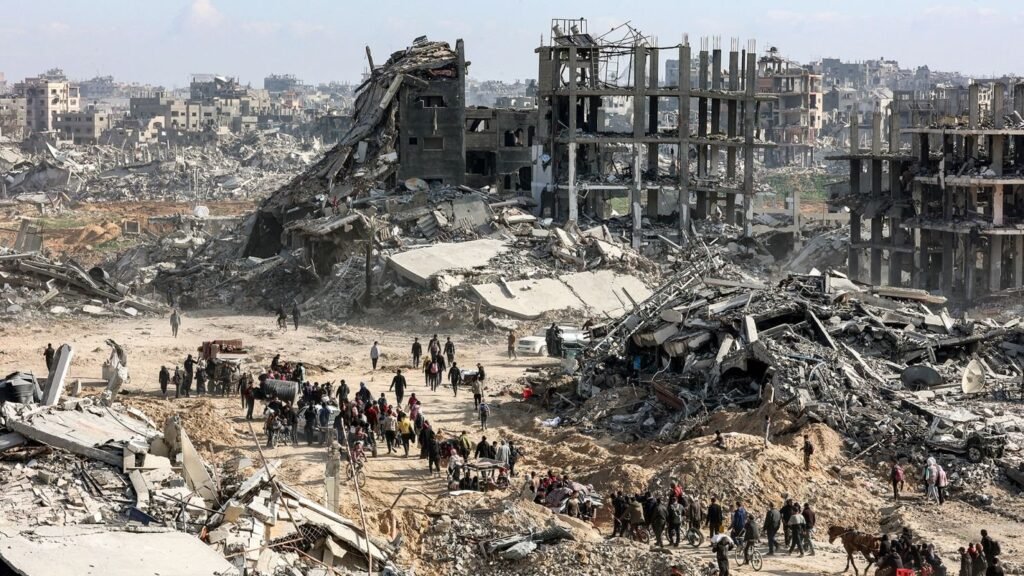
Islamabad (TDI): Pakistan and seven other Muslim-majority countries on Friday warned that worsening winter conditions, coupled with Israel’s tight restrictions on aid, have pushed Gaza’s humanitarian situation toward disaster, with nearly two million displaced Palestinians facing extreme hardship.
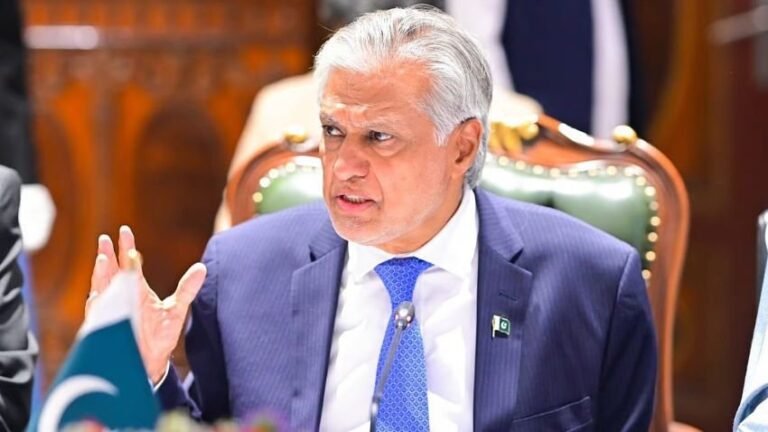
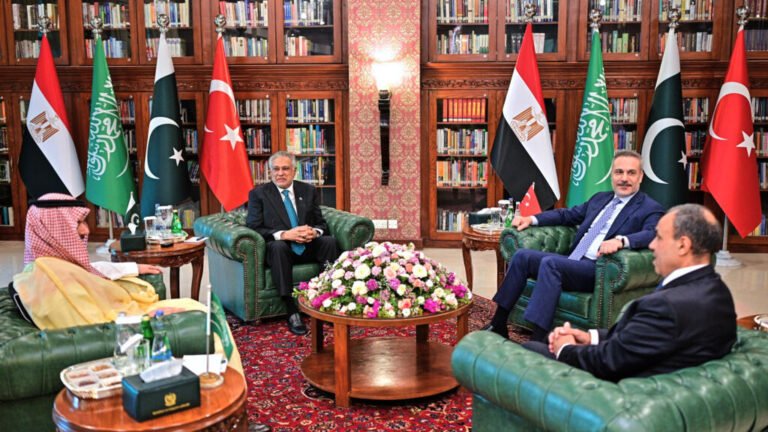
In a joint declaration, the foreign ministers of Pakistan, Egypt, Indonesia, Jordan, Qatar, Türkiye, Saudi Arabia and the United Arab Emirates said heavy rains, strong winds and falling temperatures have intensified suffering in the besieged territory, where civilian life has already been devastated by months of conflict.
The ministers said an estimated 1.9 million displaced people, many sheltering in temporary tents or damaged buildings, are now contending with flooded camps, collapsing structures and severe shortages of food, medicine and fuel. They warned that the risk of disease is rising sharply, particularly among children, women, the elderly and those with chronic illnesses.
According to the statement, prolonged exposure to cold weather combined with widespread malnutrition has significantly increased the danger to civilian lives, at a time when humanitarian access remains critically limited and the flow of materials needed for basic services and emergency shelter continues to fall far short of needs.
The eight countries praised the efforts of United Nations agencies, especially UNRWA, as well as international relief organisations, for delivering assistance under what they described as extremely challenging and complex conditions.
Read More: UAE, US Hold Talks on Yemen and Gaza Amid Heightened Regional Tensions
They urged Israel to allow UN agencies and international humanitarian groups to operate freely and consistently in both Gaza and the West Bank, stressing that any obstruction of humanitarian work is unacceptable.
The ministers reaffirmed their backing for UN Security Council Resolution 2803 and President Donald Trump’s Comprehensive Gaza Peace Plan, saying they are prepared to contribute to its implementation. They said the framework provides a pathway to sustain the ceasefire, end the war in Gaza and move toward a dignified future for Palestinians, including self-determination and statehood.
However, diplomatic sources indicated that while the countries support the overall peace framework, concerns remain over specific elements, including reconstruction timelines, long-term governance arrangements in Gaza, guarantees for unrestricted humanitarian access, and the proposed deployment of an international stabilisation force. These issues, they said, require further clarity and broader international consensus.
Read More: Trump, Netanyahu to Discuss Gaza Plan, Iran and Hezbollah Today
The statement stressed the urgency of launching and expanding early recovery efforts, particularly the provision of safe and dignified shelters to protect civilians from severe winter conditions.
Calling on the international community to meet its legal and moral obligations, the ministers urged stronger pressure on Israel, as the occupying power, to immediately lift restrictions on the entry and distribution of essential supplies such as tents, shelter materials, medical aid, clean water, fuel and sanitation services.
They also demanded immediate, full and unhindered humanitarian access to Gaza through UN mechanisms, the repair of critical infrastructure and hospitals, and the reopening of the Rafah Crossing in both directions, in line with the proposed peace plan.
The warning comes as Gaza endures one of its harshest winters in decades, with aid agencies cautioning that without swift action, thousands of civilians could face life-threatening conditions in the weeks ahead, despite the fragile ceasefire.