Pakistan is home to a variety of ecosystems, from the desert plains and riverine landscapes of the south to the snow-covered peaks of the north. Numerous herbivore species as well as apex predators like wolves, snow leopards, and Himalayan brown bears can be found in these habitats.
However, interactions between people and wildlife have increased in frequency as human populations grow and natural environments diminish. In Pakistan, human-wildlife conflict (HWC) has become one of the most urgent issues facing wildlife conservation, endangering both biodiversity and rural communities’ means of subsistence.
Conflict between humans and animals arises when human populations and wildlife have similar requirements and behaviors, which has detrimental effects on both. Local communities in Pakistan’s hilly areas rely significantly on cattle for both subsistence and income.
Herders suffer financial losses when domestic animals are preyed upon by predators like wolves and snow leopards. The loss of even a few goats or sheep can be a major financial setback for families with little means that live in remote places. Because of this, communities may murder predators in retaliation, endangering wildlife species that are already at risk.
The problem is not limited to mountainous areas. Certain animals, like monkeys and wild boars, harm crops in agricultural areas, causing food instability and financial hardship for farmers.
Read More: World Wildlife Day 2025: Investing in Conservation
Natural habitats have been diminished and ecosystems have become fragmented due to the growth of infrastructure, agriculture, and human settlements in formerly uninhabited areas.
In order to find food and shelter, this compels wildlife to approach human settlements, which raises the possibility of encounters and confrontations.
Conflict between humans and wildlife has deeper social and ecological ramifications than just financial losses. Communities that frequently experience agricultural damage and livestock raids tend to have unfavorable opinions of conservation initiatives and wildlife protection legislation.
Trust and collaboration between local people and conservation groups may be damaged if conservation authorities are perceived as putting animal care ahead of human welfare. Effective implementation of conservation policies becomes challenging in the absence of community support.
Retaliatory killings have serious ecological repercussions. By controlling prey populations, apex predators like snow leopards are essential to preserving ecological balance.
When they are removed, predator-prey dynamics may be upset, which could result in herbivores overgrazing and the ensuing deterioration of delicate mountain vegetation. In the end, these ecological imbalances may have an impact on biodiversity, soil stability, and water sources.
Strategies for Mitigation and Coexistence
A balanced strategy that takes into account both conservation objectives and the socioeconomic realities of local communities is needed to address conflicts between humans and wildlife. Community-based conservation, which actively incorporates local populations in wildlife management and decision-making processes, is one of the most successful tactics.
Communities are more likely to support conservation efforts when they are viewed as collaborators rather than barriers. Programs that raise awareness of the ecological significance of wildlife and train people in non-lethal deterrence techniques can lessen animosity toward predators.
Using guard animals, building livestock enclosures that are impervious to predators, and enhancing herding techniques are examples of practical strategies that have demonstrated encouraging outcomes in lowering livestock losses. To compensate farmers for losses brought on by wildlife, livestock insurance and compensation plans have been implemented in several parts of northern Pakistan.
These initiatives lessen the financial strain on impacted families and lessen the possibility of killings carried out in retaliation. These programs show how focused interventions can both protect endangered species and give populations a sense of security.
Read More: Snow Leopard Diplomacy: Cross-Border Conservation in the High Mountains of Asia
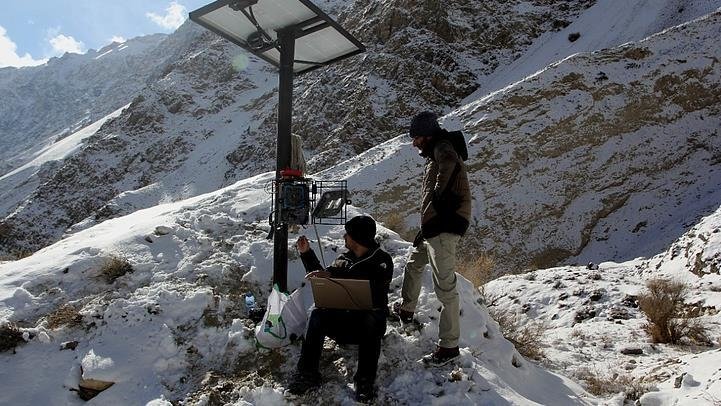
Scientific research and monitoring are equally important tools for conflict resolution. Understanding wildlife migratory patterns, identifying conflict areas, and examining predator behavior enable conservationists to develop more effective management plans.
Camera traps, satellite monitoring, and geographic information systems (GIS) are all examples of modern technology that provide useful data for policymakers and on-the-ground actions.
Human-wildlife conflict in Pakistan is ultimately a multifaceted issue influenced by ecological, economic, and societal considerations. Conservation initiatives or a focus only on community welfare will not suffice to fix the problem.
Instead, a long-term and integrated approach is needed, one that encourages coexistence rather than conflict between humans and wildlife. Governments, conservation organizations, and local communities must collaborate to devise policies that safeguard biodiversity while ensuring that those living closest to wildlife do not face disproportionately high expenses.
In the long run, the success of wildlife conservation in Pakistan will be determined by the country’s capacity to strike a balance between maintaining its natural legacy and providing for its rural population. Pakistan may achieve a form of coexistence in which both wildlife and human communities thrive by investing in community participation, scientific research, and sustainable development methods.
*The views presented in this article are the author’s own and do not necessarily reflect the views of The Diplomatic Insight.

Zona Mumtaz
Zona Mumtaz is a zoologist with a focus on wildlife conservation, mountain ecosystems, and the role of environmental cooperation in protecting endangered species. She can be reached atzonamumtazz@gmail.com