Dress codes are as old as human civilization. Beyond mere fabric, clothing has long served as a visible marker of power, social class, and cultural identity. From the courts of Europe to modern parliaments, fashion has been both a battlefield for social change and a tool of political control.
Even today, when societies claim informality, implicit and explicit dress codes shape professional opportunities and perceptions. A misplaced choice of hairstyle, accessory, or attire can cost reputations, and in some cases, careers.
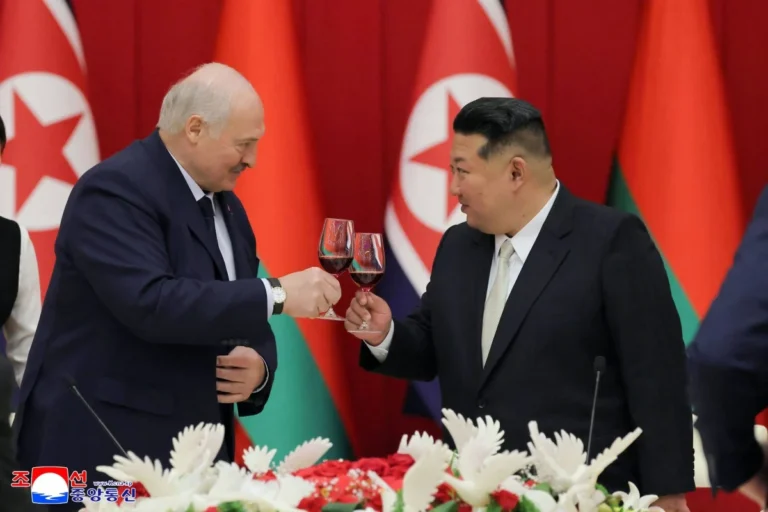
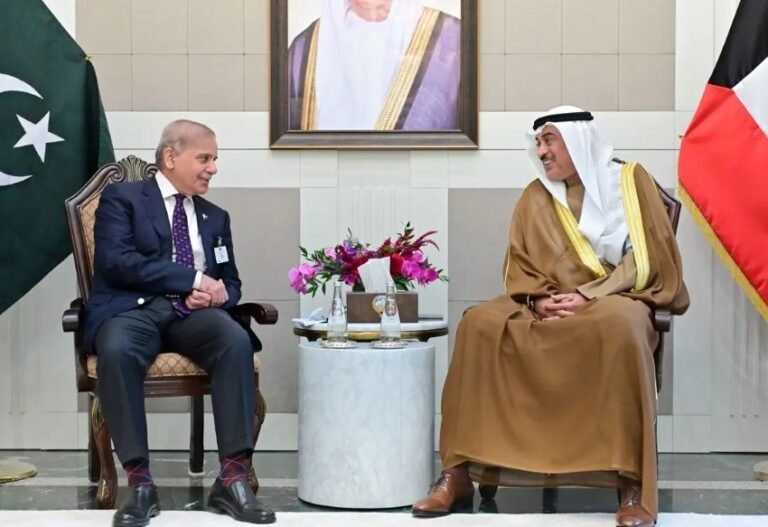
In diplomacy, where appearances represent not only individuals but entire nations, dress etiquette carries amplified weight. Attire becomes both a personal statement and a symbol of cultural and national identity.
Diplomatic uniforms, once a hallmark of formality, emerged in France in 1781, during a period of sweeping reforms following the French Revolution and Napoleonic Wars.
They quickly spread across Europe, serving a dual purpose: relieving diplomats of the costly obligation to maintain elaborate court wardrobes and elevating the symbolic stature of their office over the individual personality.
Although most nations abandoned these ornate garments in the 20th century, some still preserve them for rare ceremonial occasions, an enduring reminder of diplomacy’s heritage of grandeur and symbolism.
Reading the Invitation: Time, Venue, Occasion
In the world of protocol, appearance is never superficial. A diplomat’s dress reflects dignity, refinement, and respect, not only toward the host, but also toward the collective spirit of international cooperation. Etiquette embodies a nation’s cultural and moral cultivation, and dress etiquette is one of its most visible expressions.
Whether at state banquets, garden parties, or accreditation ceremonies, diplomats are expected to embody elegance without excess, and formality without rigidity.
For protocol officers and their principals, the triad of time, venue, and occasion (TVO) serves as the compass for proper attire. Afternoon events such as teas, luncheons, or garden parties call for lighter formality, whereas evening occasions like national day celebrations, royal balls, or gala dinners, demand heightened elegance.
A simple principle holds true: the later the hour, the more formal the attire. Equally essential is restraint: avoiding excessive perfume, jewelry, or flamboyance. Graceful posture often completes what clothing alone cannot convey.
Read More: How the Concept of Precedence Came About in Diplomatic Practice
The Big Five Dress Codes in Diplomacy
1. White Tie – Full Evening Dress
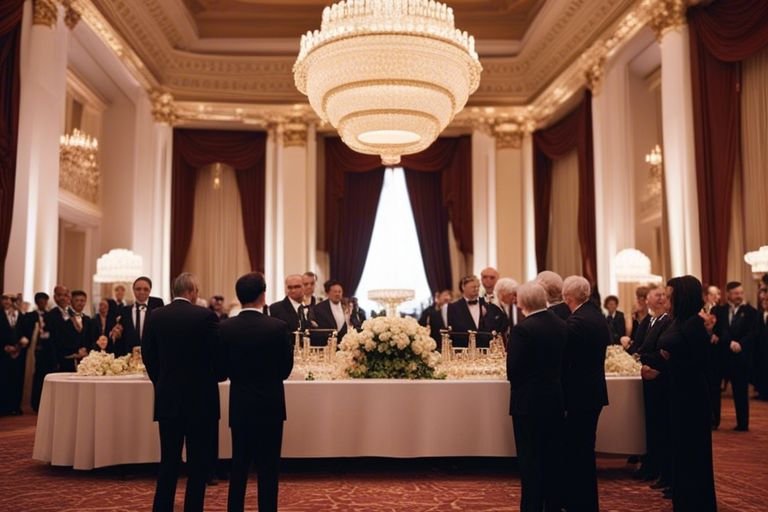
The pinnacle of formality, white tie is reserved for state banquets, royal receptions, and very special opera evenings. Men wear black tailcoats with white bow ties, while women-sweeping evening gowns, often with gloves, and, sometimes, tiaras. If decoration is is to be worn then on the gentleman’s far left. This attire is strictly evening wear, never before 6 p.m.
2. Black Tie – Formal Evening Attire
Popularized in Britain and the United States, black tie (or “tuxedo”) signals refined formality for gala dinners, award ceremonies, and official evening receptions. Men wear dinner jackets with black bow ties; women may choose long or elegant shorter gowns, balancing style with discretion.
3. Morning Dress – Formal Daywear
This is the smartest day time dress code, mainly now only seen at formal events in Britain and Europe, but one that oozes elegance if worn correctly. It is most famously associated with the Royal Ascot, but also appears at other prestigious race meetings, royal garden parties, state or official funerals, and welcome ceremonies for state visits. Its elegance continues to symbolize daytime protocol at its finest.
4. Lounge Suits-Business Standard
The modern professional standard for both men and women, usually in dark grey or navy. While seemingly straightforward, this dress code demands precision: well-tailored fits, restrained accessories, and an overall image of competence and respect.
5. Smart/Business Casual – The Diplomatic Grey Zone
Perhaps the most challenging code, smart casual balances formality with ease. Jackets, blouses, and tailored pieces are expected, but jeans, sneakers, or overly modern combinations remain inappropriate for diplomatic settings. Creativity may surface, but never at the expense of dignity.
Read More: Fashion Diplomacy: When Style Becomes a Language of Influence
A category of its own, cocktail attire bridges the gap between relaxed and ceremonial. For men, it often means a dark suit and tie; for women, a knee-length elegant dress suited to evening wear. The key is balance, polished yet festive, never extravagant.
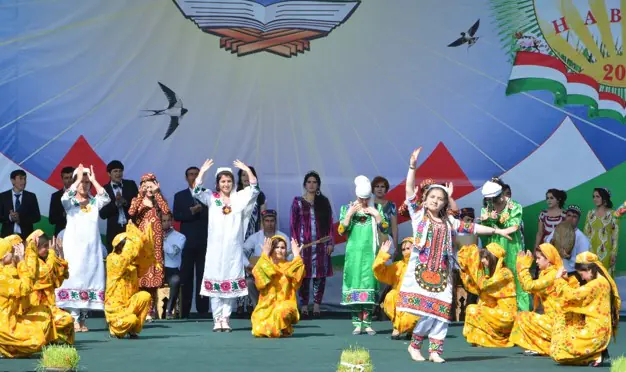
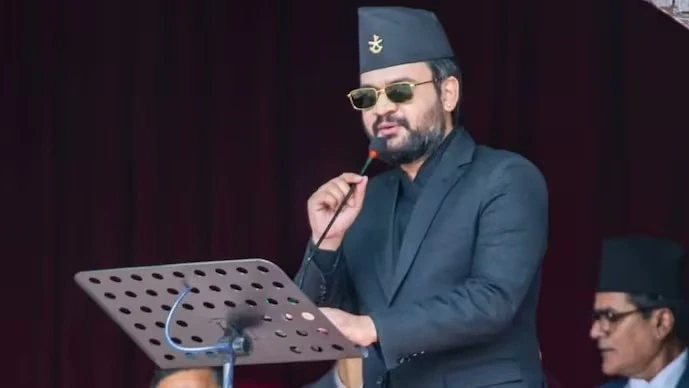
Among the most celebrated features of diplomatic dress is the inclusion of traditional attire. Worn particularly on national days or cultural celebrations, these garments represent heritage and identity, often hand-crafted and deeply symbolic.
When displayed together at receptions, they offer a vivid tapestry of global diversity, thus diplomacy made visible through fabric and form.
Dress codes in diplomacy are more than ceremonial prescriptions; they are a visual language of respect, tradition, and cultural exchange.
For protocol officers, mastery of this language ensures not only the preservation of etiquette but also the reinforcement of international goodwill. In every detail, from a bow tie’s knot to the tilt of a hat, lies the subtle yet profound power of diplomacy’s sartorial tradition.

Catalina Bora
Catalina Bora is the founder of the Institute of Etiquette and Protocol. She can be reached at catalinabora@gmail.com