Tehran (TDI): Israel launched a fresh wave of strikes across Iran on Thursday, just hours after US President Donald Trump claimed that Tehran was eager to reach a deal to end the nearly four-week conflict, despite Iranian officials rejecting any negotiations.
The war, which began after joint US-Israeli strikes on February 28, has expanded across the Middle East, rattling global energy markets and raising fears of wider economic fallout.
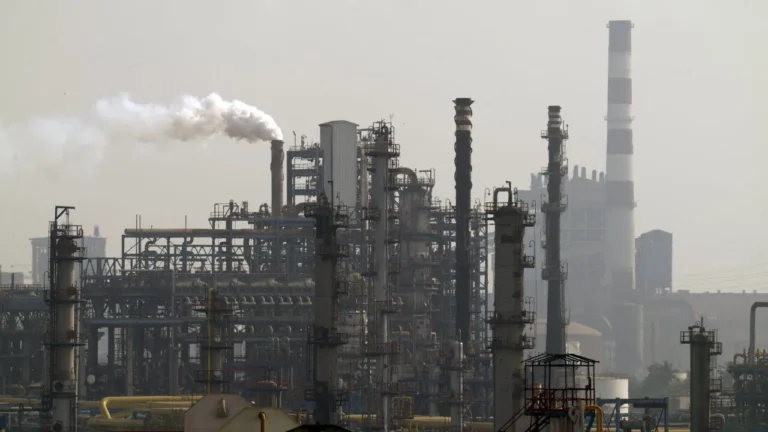
According to the Israeli military, the latest operations targeted key infrastructure sites, including areas around the central city of Isfahan. In response, Iran fired missiles toward Israel, triggering sirens in major cities such as Tel Aviv and parts of Jerusalem.
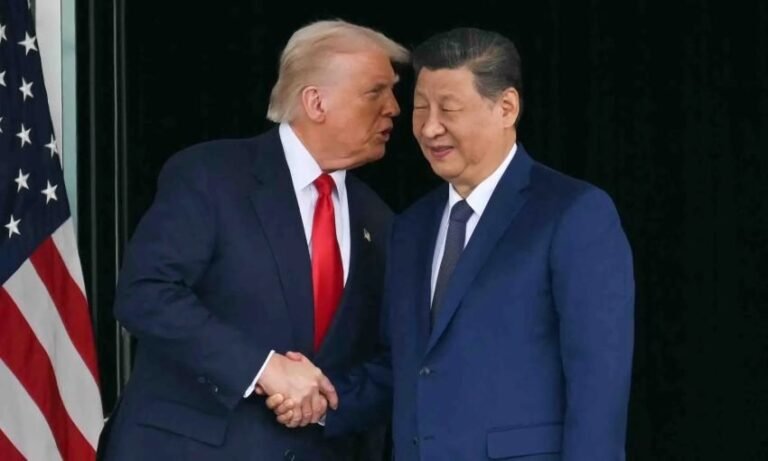
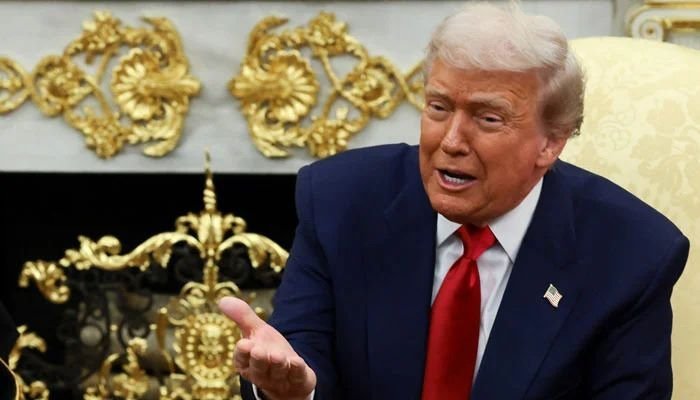
Speaking at a dinner with Republican lawmakers, Trump said negotiations were underway, claiming Iran was keen to reach an agreement but hesitant to admit it publicly.
“They want a deal badly,” he said, adding that Iranian officials feared internal backlash as well as US retaliation. However, Iran’s Foreign Minister Abbas Araghchi dismissed the remarks, reiterating that Tehran was not engaged in talks with Washington.
Read More: Iran, US Stay Entrenched Despite Backchannel Diplomacy
“We will end the war on our own terms,” he said, stressing that any resolution must ensure the conflict is not repeated.
Pakistan has reportedly conveyed a US-backed 15-point proposal to Tehran aimed at ending the conflict. While details remain unclear, the plan is believed to address Iran’s nuclear and missile programmes, regional influence, and maritime routes, including the reopening of the Strait of Hormuz.
Iranian state media, however, reported that Tehran had responded negatively, while indicating it is pursuing its own conditions for ending hostilities. These include guarantees against renewed attacks and compensation for war damages.
Meanwhile, White House Press Secretary Karoline Leavitt warned that Trump was prepared to take further action if diplomacy failed, saying the president “does not bluff.”
China’s top diplomat Wang Yi described the situation as offering only a “glimmer of hope” for peace, urging restraint from all sides.
Read More: Pakistan Offers to Host US-Iran Talks After Reports Hinted Role in Backchannel Diplomacy
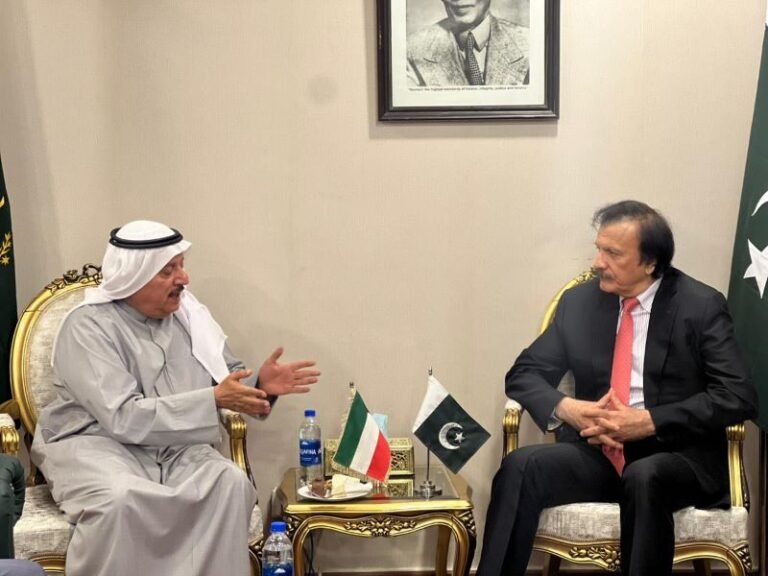
The conflict continues to spread beyond Iran and Israel. Iran has launched retaliatory strikes targeting Israel as well as US-linked positions in Gulf countries, while regional states including Saudi Arabia, the UAE, Bahrain, and Kuwait reported intercepting drones and missiles or responding to attacks.
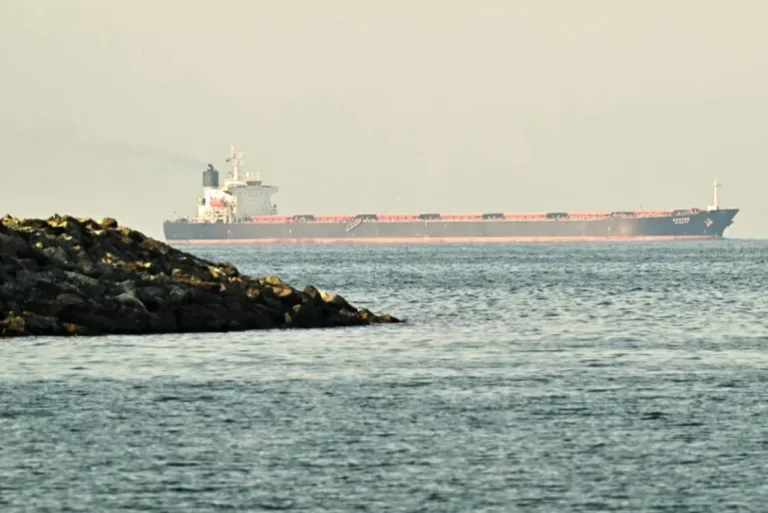
Tehran has also effectively restricted access to the Strait of Hormuz, a critical artery for global oil supplies, sending energy prices higher and disrupting international markets.