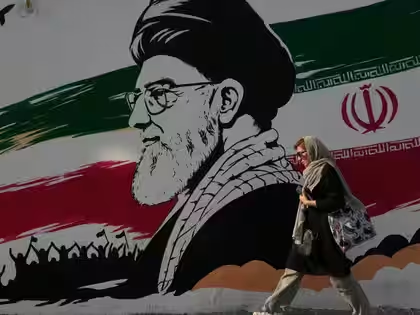

Tehran (TDI): Iran has considered targeting US military assets in parts of Europe if Washington escalates the conflict, the Financial Times reported Wednesday, citing people close to the Iranian government.
According to the report, Iranian forces have assessed possible targets in southeastern Europe as Tehran considers options for expanding the conflict beyond the Middle East.
Bulgaria is among the countries considered. Sofia last month approved the use of its Bezmer air base by US aircraft involved in aerial refuelling operations.
Cyprus has also been examined as a potential target in the event of a renewed US offensive. The island hosts a British military air base that was targeted by a drone in March.
The Financial Times also reported that Iranian forces have considered targeting undersea fibre-optic cables in the Strait of Hormuz if the conflict escalates further.
Read More: UAE Suspends Trade, Financial Ties With Iran After Missile Attack
One source cited by the newspaper said Tehran was preparing possible responses if US President Donald Trump followed through on earlier threats to strike Iranian infrastructure.
The source reportedly warned that Iran could expand its response beyond the region if it believed the United States had gone too far.
The report comes as diplomatic efforts to reopen the Strait of Hormuz remain stalled and prospects for renewed talks between Washington and Tehran have weakened.
Trump said Tuesday that there were currently no talks or discussions scheduled with Iran. Iranian military officials have previously warned that any military facility used to launch attacks against Iranian territory could itself become a target.
Read More: Iran War: Is a New Middle East Order Emerging?
Military experts cited by the Financial Times said Iran possesses missiles capable of reaching parts of southern and southeastern Europe, although the range could affect their effectiveness and accuracy.
The possibility of attacks on European-based US assets would represent a major expansion of the conflict and could significantly widen the security risks facing countries outside the Middle East.
Washington and Tehran signed the Islamabad Memorandum of Understanding in June in an effort to end the conflict and establish a framework for broader negotiations. The arrangement later collapsed amid mutual accusations of violations and renewed fighting.
Since then, diplomatic efforts have failed to produce a breakthrough on reopening the Strait of Hormuz or restarting negotiations on a comprehensive agreement.