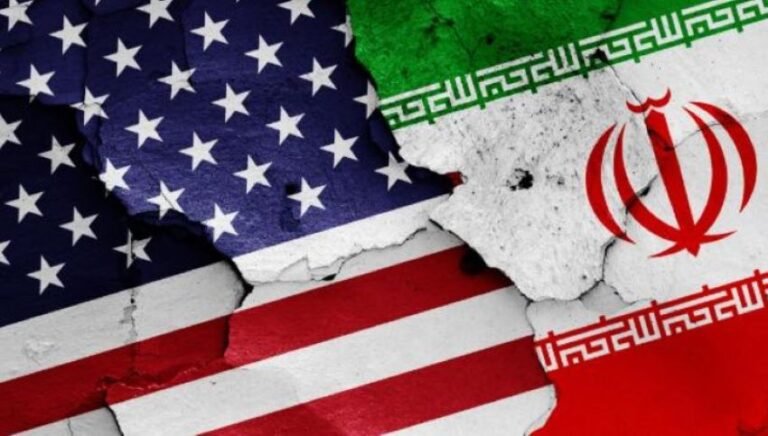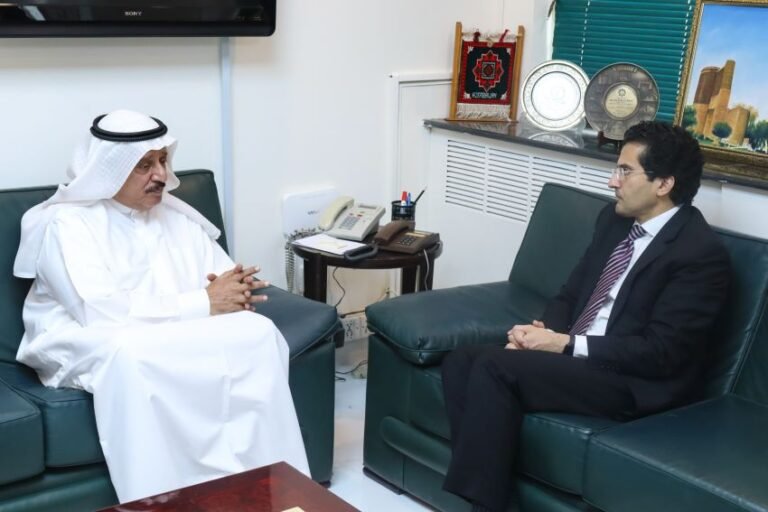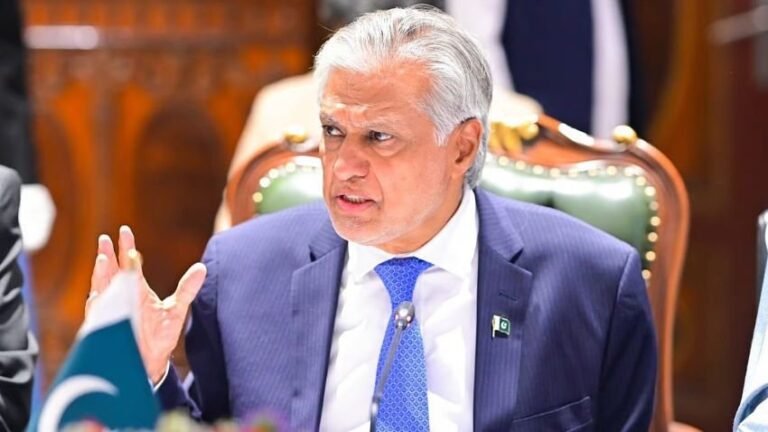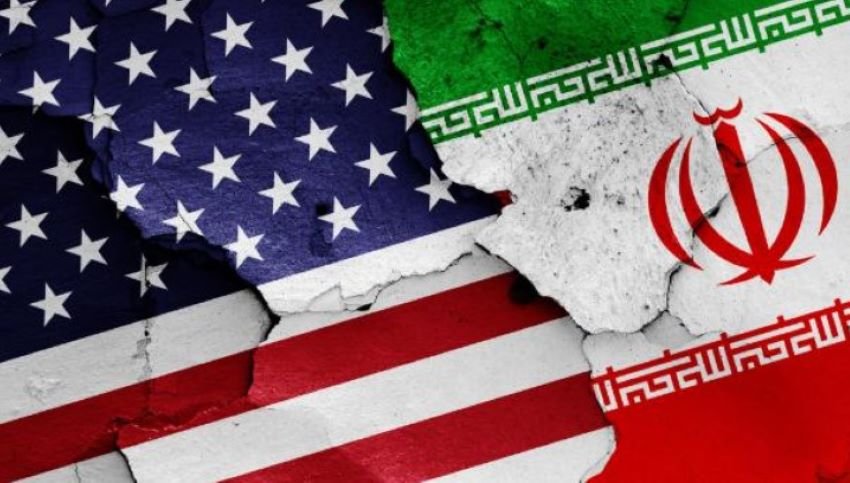
The conflict involving Iran has entered a far more dangerous phase. What began on February 28, as a joint US-Israeli offensive against Iran has rapidly widened into a broader regional confrontation, marked by missile and drone strikes, attacks on critical infrastructure, and rising instability at sea. Diplomatic activity has continued, including talks hosted by Pakistan with Saudi Arabia, Turkiye, and Egypt, but diplomacy remains fragile and the gap between escalation and settlement is still wide.
What has changed most is the scale of the conflict’s reach. This is no longer a matter of direct exchanges among the United States, Israel, and Iran alone. The involvement of Iran-aligned Houthi forces, combined with growing pressure on the Strait of Hormuz and the Red Sea corridor, has expanded the crisis far beyond its original battlefield.
Oil prices have reacted, shipping risks have risen, and the wider region is now feeling the strain. For South Asia, this means the Iran conflict can no longer be treated as a distant crisis unfolding somewhere in West Asia. It has become a live strategic issue with direct implications for energy security, maritime access, border stability, and regional diplomacy.
Why South Asia Can No Longer Look Away
For years, South Asia’s discussion of Iran was relatively narrow. It revolved around oil imports, sanctions, Chabahar, sectarian politics, and the broader US-Iran rivalry. That frame now looks outdated. The current conflict has shown that instability around Iran does not stay contained for long. It moves outward—through shipping lanes, energy markets, border zones, armed networks, and the competing agendas of outside powers.
That is why the key shift is not just political, but geographical. South Asia can no longer think about its own security only through the familiar lens of India-Pakistan rivalry, Afghanistan, or domestic militancy. Those issues still matter, but they are no longer the whole picture. A wider strategic map is now needed—one that connects West Asia, the Indian Ocean, and South Asia as a single security space. Once viewed that way, the Iran conflict stops looking like a remote Middle Eastern problem and starts looking like part of South Asia’s own strategic environment.
Three Ways the Conflict Travels East
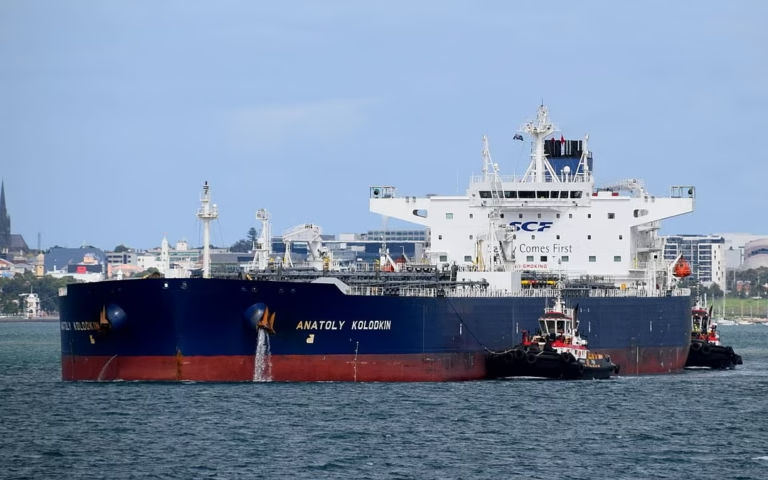
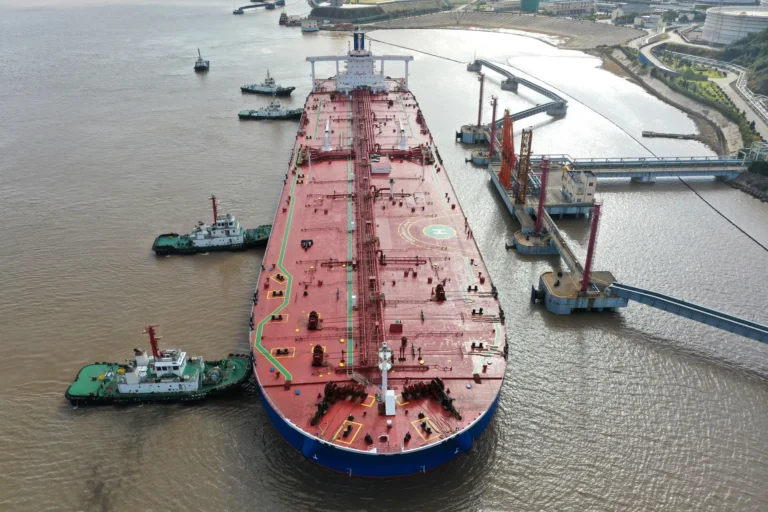
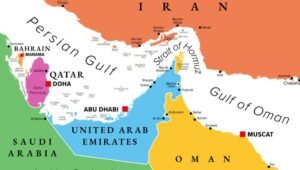
The first channel is energy and maritime vulnerability. Any serious escalation involving Iran immediately raises the stakes around the Strait of Hormuz, one of the world’s most critical oil chokepoints. For South Asia, that is not an abstract concern. India, Pakistan, Bangladesh, and Sri Lanka are all vulnerable to disruptions in imported energy and commercial shipping.
If insecurity at sea worsens, the impact will be felt not only in fuel prices, but also in insurance costs, shipping delays, and the need for stronger naval protection. In economies already dealing with inflation, debt pressure, or limited foreign-exchange reserves, those pressures can quickly become political.
The second channel is border fragility and armed networks. Iran’s eastern frontier has long been marked by weak governance, smuggling, insurgency, and chronic underdevelopment. War makes all of these problems harder to manage. Pakistan is especially exposed because it does not only face economic spillover; it also faces geographic risk.
Any rise in Iranian threat perception could lead to tougher border measures and create new openings for militant, sectarian, and criminal networks. Afghanistan could also become part of this chain of instability, serving as a downstream arena through which insecurity moves further east.
The third channel is great-power competition. The Iran conflict now sits at the crossroads of US military strategy, Israeli security priorities, Gulf alignments, and China’s energy and connectivity interests. South Asia is drawn into this process not because it wants a leading role, but because its geography and partnerships make staying distant increasingly difficult.
Read More: Dar to Visit China Tomorrow as Diplomacy Intensifies Over Iran War
For Washington, Iran is both a regional adversary and a test of deterrence. For Beijing, instability around Iran threatens energy security and trade connectivity. That puts pressure on South Asian states in different ways. India must balance its growing strategic partnership with the United States against its continuing interest in workable ties with Iran. Pakistan, meanwhile, must manage ties with Iran, Gulf partners, and China, all while trying to avoid being pulled into a conflict it cannot control.
Different Countries, Different Pressures
South Asia will not respond as a bloc, because the conflict reaches each country differently. India is likely to remain cautious, trying to preserve ties with Washington, maintain room to engage Tehran, and protect its maritime and energy interests. But the longer the conflict continues, the harder that balancing act becomes. Pakistan faces a more immediate dilemma.
It cannot treat Iran simply as an external issue because the border dimension is real and the risk of domestic spillover is serious. At the same time, Islamabad is also trying to present itself as a diplomatic actor, which highlights both its relevance and its vulnerability. Afghanistan remains the most overlooked receiver of regional insecurity, while smaller South Asian states are likely to feel the crisis mainly through energy costs, shipping disruptions, and broader macroeconomic pressure.
A New Security Map
The deeper significance of the Iran conflict lies in the way it is changing South Asia’s security map. First, it is making South Asian security more outward-facing. Crises in West Asia are now more directly shaping the region’s strategic environment.
Second, it is making security more maritime. Sea-lanes, ports, shipping resilience, and energy transit are becoming more central than before.
Third, it is putting new pressure on the idea of strategic autonomy. South Asian states may still prefer flexibility, but prolonged regional polarization makes neutrality harder to sustain in practice.
South Asia needs to prepare for the spillover effects of conflicts beyond its immediate neighborhood. That means stronger energy contingency planning, better protection of shipping interests, closer attention to vulnerable border zones, and more realistic strategic planning.
Read More: China, Energy and the Iran Crisis: A Strategic Advantage?
The language of balance may still be useful diplomatically, but balance alone is not a strategy. The relationship between the Iran conflict and South Asian security is no longer indirect or occasional. It is becoming structural. The real question is no longer whether South Asia will be affected. It already is.
The real issue is whether South Asian states are prepared to think and act within this wider strategic space. If they continue to treat Iran as a distant Middle Eastern problem, they will misread the next stage of regional insecurity. If they recognize the emergence of a West Asia–Indian Ocean–South Asia security continuum, they may still have room to reduce vulnerability and protect their strategic agency.

Tang Jun
Tang Jun is the Director of Pakistan Research Center at Inner Mongolia Honder College of Arts and Sciences, China.