Tehran (TDI): Hopes for de-escalation flickered on Wednesday as Iran and the United States exchanged conflicting signals over backchannel diplomacy, but any prospect of direct talks appeared increasingly remote.
Tehran struck a cautious tone, distancing itself from suggestions of renewed negotiations. Iran’s Foreign Minister Abbas Araghchi made it clear that indirect communication through mediators should not be mistaken for formal engagement with Washington.
“There are no negotiations with the US,” he said, adding that message exchanges via intermediaries did not amount to dialogue. He also argued that the United States had failed to achieve its core military objectives, including a swift victory or regime change in Iran.
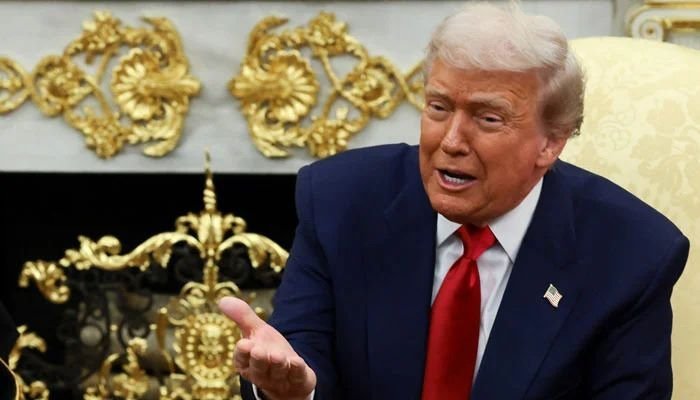
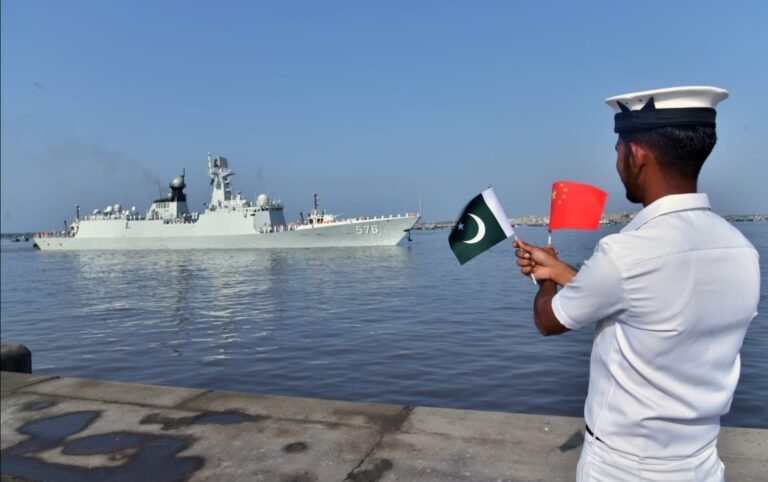
Earlier in the day, Iranian officials acknowledged Pakistan’s role in quietly facilitating communication between the two sides, confirming that Islamabad had conveyed a US proposal to Tehran. The plan is widely believed to be the same “15-point framework” referenced by President Donald Trump, although its full details remain undisclosed.
According to media reports, the proposal includes curbs on Iran’s nuclear and missile programmes, an end to its support for regional allies such as Hezbollah, Hamas and the Houthis, and the reopening of the Strait of Hormuz. In return, it offers sanctions relief and international cooperation on civilian nuclear energy.
However, Iran’s initial response appeared negative. State media, citing a senior official, reported that Tehran would not allow Washington to dictate the terms or timing of an end to the conflict.
Read More: Israel-Iran Airstrikes Intensify as Tehran Rejects US Negotiation Claims
“Iran will decide when the war ends and under what conditions,” the official said, outlining key demands including a complete halt to hostilities, guarantees against future attacks, compensation for war damages, and recognition of Iran’s authority over the Strait of Hormuz.
Despite the strong rhetoric, a Reuters report suggested that Iran is still reviewing the proposal and has not formally rejected it.
At the White House, Press Secretary Karoline Leavitt maintained that diplomatic contacts were ongoing and described them as “productive”. She claimed Iran was seeking a way out as its military capabilities weaken, while also casting doubt on media reports about the full contents of the proposed plan.
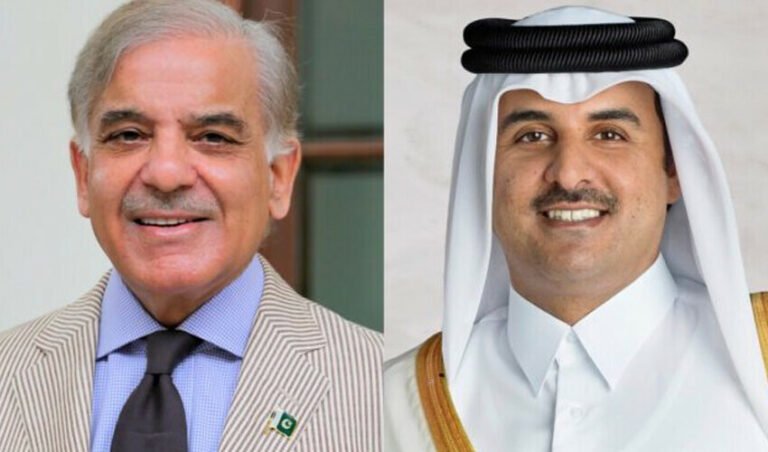
Speculation over possible talks intensified after Prime Minister Shehbaz Sharif offered Islamabad as a venue. Iranian officials later indicated that both Pakistan and Turkiye were under consideration for any potential meeting.
There has also been growing speculation about a possible role for US Vice President JD Vance in future engagement efforts. Reports tracking US government aircraft movements suggested preparations for an unannounced trip, though no official confirmation has been provided.
Read More: Pakistan’s Mediation Offer in Iran War Signals Rising Diplomatic Confidence: Experts
While Washington insists that diplomatic channels remain active, the latest exchanges underscore a widening gap between the two sides, with both appearing firmly entrenched in their positions despite mounting international pressure to de-escalate.