Tehran (TDI): Iran is adopting new tactics to target commercial shipping in and around the Strait of Hormuz, seeking to maintain pressure on global oil prices and influence the political debate ahead of the US midterm elections, according to two senior Iranian officials cited by Reuters.
The officials said Tehran had begun changing the type and frequency of attacks against vessels it considers to have violated its restrictions on passage through the strategic waterway. One official said the shift began around 10 days ago and had coincided with an increase in attacks on commercial ships. “The aim is to frustrate efforts by the United States and its allies to bring down global oil prices,” one of the officials said.
According to the officials, the strategy was approved at the highest levels of Iran’s leadership and coordinated across the country’s political and security establishment. They also indicated that Tehran intended to extend operations beyond the Strait of Hormuz into the Gulf of Oman and other nearby waters.
The reported shift comes as Washington seeks to contain the economic fallout from the conflict and restore shipping through a waterway that handled roughly one-fifth of global oil and liquefied natural gas trade before the war began on February 28.
Read More: Iran to Pursue Diplomacy to Counter Sanctions, Safeguard National Interests: Araghchi
A US military official confirmed that Iran had altered its operational approach in at least one significant respect. After US strikes damaged much of Iran’s radar capability, the Islamic Revolutionary Guard Corps (IRGC) began using unarmed personnel in small boats to identify potential targets, including US naval vessels, the official said.
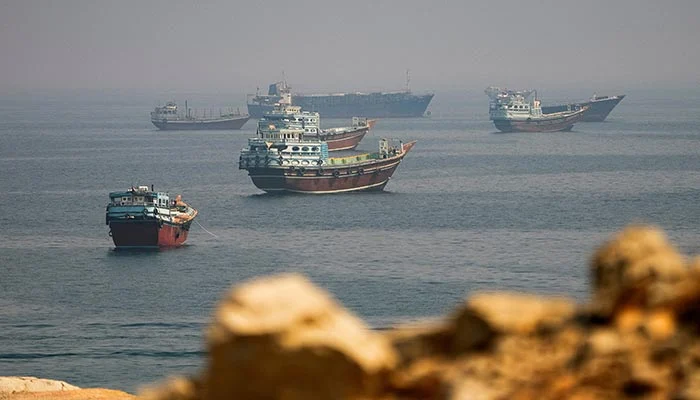
In an incident last week that had not previously been reported, US forces identified Iranian spotters operating from a traditional dhow and communicating target information to the IRGC, according to the official.
The US forces confronted the vessel, instructed its occupants to abandon ship and subsequently destroyed it. No casualties were reported, the official said.
The official added that Iran had been reluctant to risk its remaining fast boats following US strikes against its naval forces. Despite the military pressure, Tehran had been unable to prevent an increase in oil exports through the strait.
Read More: Trump Denies China, Russia Are Assisting Iran in Ongoing War
The latest reports point to a renewed increase in threats to commercial vessels operating around the Strait of Hormuz. Maritime security data cited in the report recorded at least five incidents involving tankers and other commercial ships in the Hormuz area over a 48-hour period. The incidents reportedly included drone strikes and other attacks reported to maritime monitoring services and the United Kingdom Maritime Trade Operations (UKMTO).
The frequency of incidents was broadly comparable to that recorded between October 3 and 5, according to data from the International Maritime Organization (IMO).