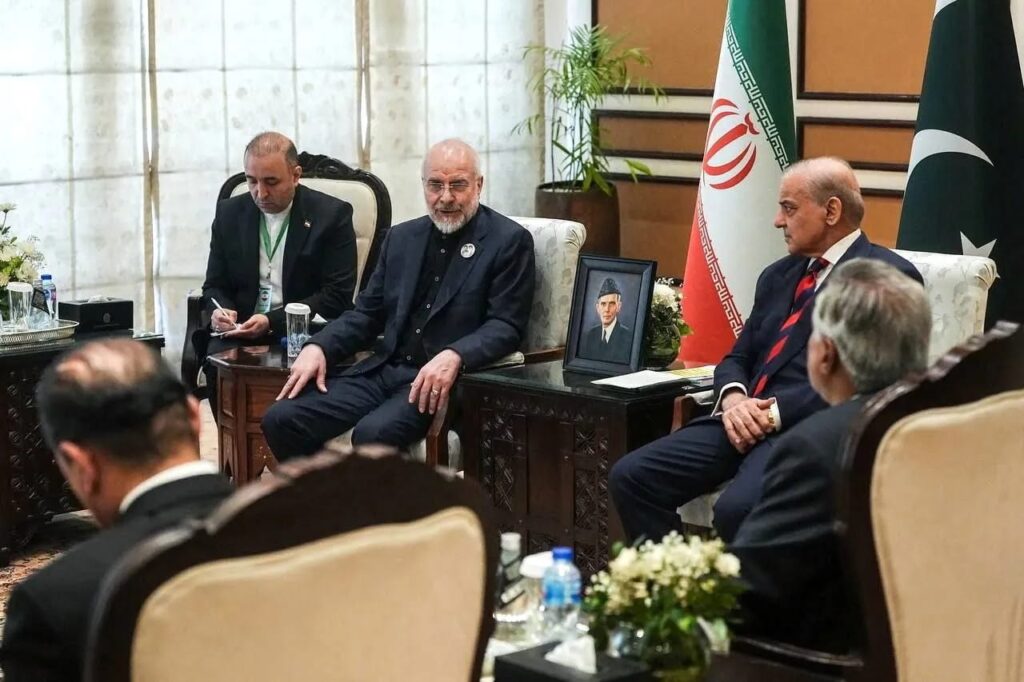
Islamabad (TDI): Iran offered a five-year suspension of uranium enrichment during peace talks held in Islamabad over the weekend. Reports suggest that the United States had pushed for a 20-year freeze and demanded removal of highly enriched uranium from Iranian territory.
A US official said President Donald Trump rejected Iran’s five-year proposal. Iran responded on Monday by offering to dilute its highly enriched uranium to levels unsuitable for weapons use while insisting the material remains inside the country.
US Vice President JD Vance said on Fox News that there had been “some good conversations” with Iranian officials. He also said the “ball is now in Iran’s court” and that a “grand deal” remains possible if Tehran shows sufficient flexibility.
The talks narrowed the gap from earlier US demands for permanent dismantlement to haggling over the length of a suspension. Iran’s offer to dilute stockpiles in place under supervision marked a new concession.
Both sides put formal proposals on paper during 21 hours of negotiations. Discussions about a further round of in-person talks are continuing, though no date has been set.
Read More: Iran Threatens to Resume War Over Strait of Hormuz Dispute
Iran’s formal response on Monday also included a monitored down-blending plan for its existing highly enriched uranium stockpile. US officials have expressed concern that Iran could retain the technical ability to re-enrich the material in the future.
Pakistan, Egypt, and Turkiye are working to bridge remaining differences before the current ceasefire expires on April 21. Mediators are floating a possible 45-to-60-day extension to keep the negotiating window open.
The Egyptian Foreign Minister is scheduled to travel to Washington for direct meetings while his Turkish counterpart continues outreach to both capitals. The status of the Strait of Hormuz remains central to any ceasefire agreement between the United States and Iran.
The weekend negotiations followed a fragile two-week ceasefire between the United States and Iran. Iran’s five-year counteroffer represented a shift from earlier maximalist positions on both sides.

Muhammad Usman Hashmi is a researcher in International Relations, focusing on climate diplomacy, global governance, and political economy in the Global South. He has contributed to policy dialogues with the Foreign Policy Community of Indonesia and serves as a Senior Research Fellow at the International Council on Human Rights, Peace and Politics. He is also associated with Rethinking Economics Islamabad, contributing to research on development and sustainability.