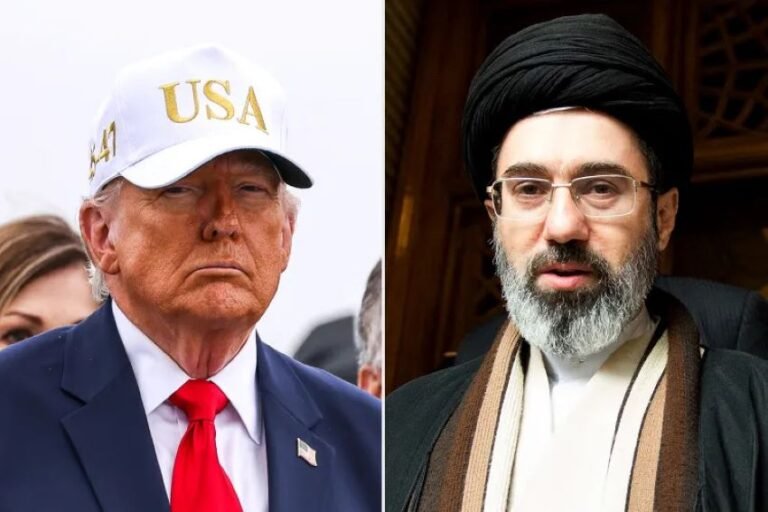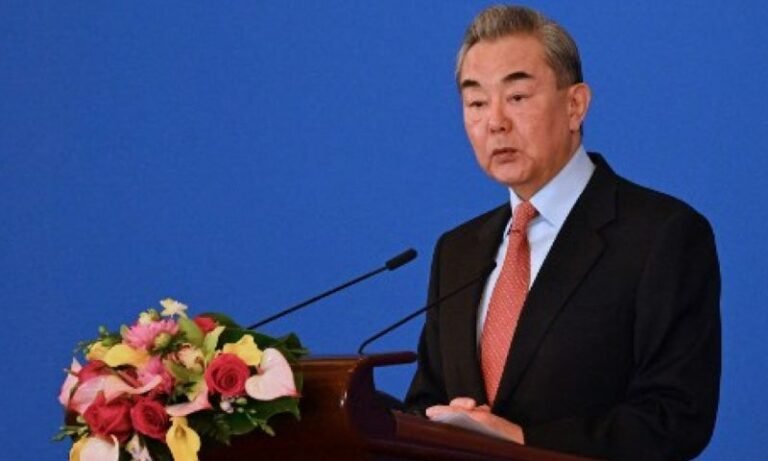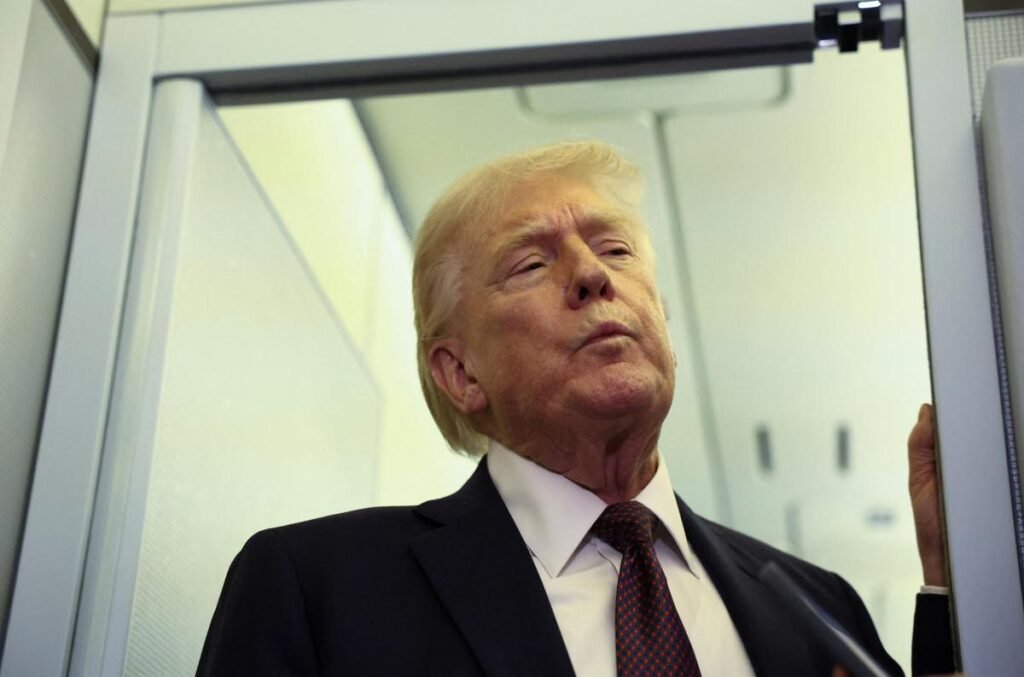
Washington (TDI): Signs of a possible diplomatic breakthrough emerged Tuesday as US President Donald Trump said Washington had sent a peace proposal to Iran, while Tehran announced it would allow “non-hostile” oil vessels to pass through the strategically vital Strait of Hormuz.
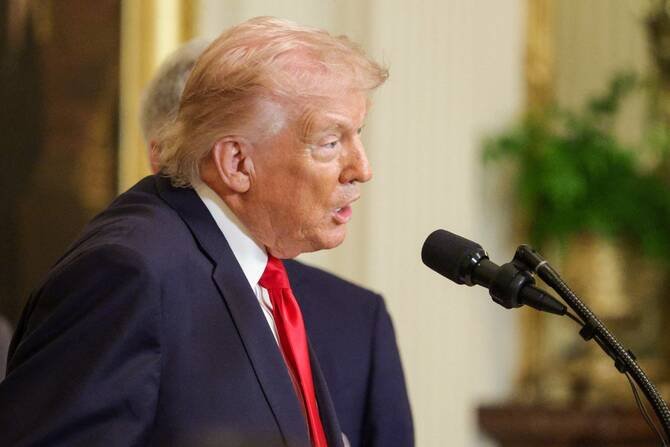
Trump expressed optimism about ending nearly a month of conflict, saying the United States was “in negotiations right now” with Iran. He hinted at a positive development linked to the Strait, describing it as a “very big” step that signaled progress in talks, though he did not provide details.
Shortly afterward, Iran confirmed through a message circulated by the International Maritime Organization that safe passage would be granted to vessels deemed non-hostile. The move is significant, as the Strait serves as a transit point for roughly one-fifth of global oil supplies.
Markets reacted quickly, with global oil prices falling nearly six percent following the announcement, easing some of the pressure caused by weeks of disruption and rising energy costs.
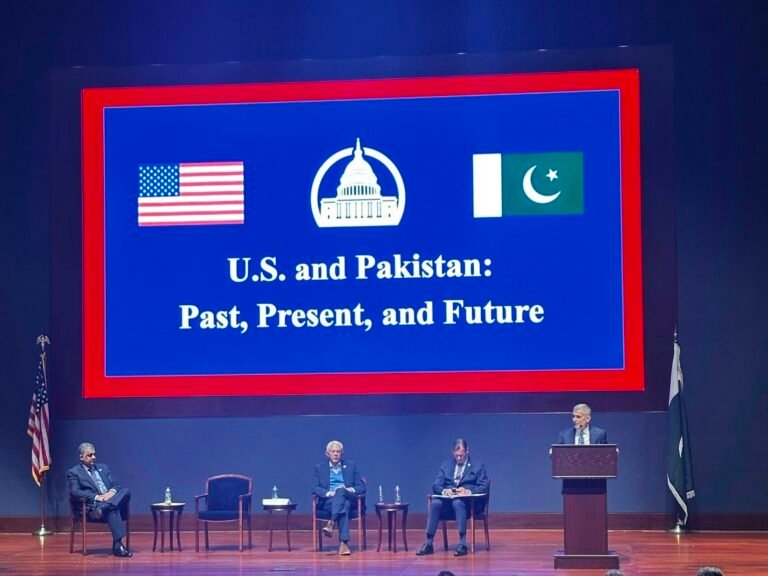
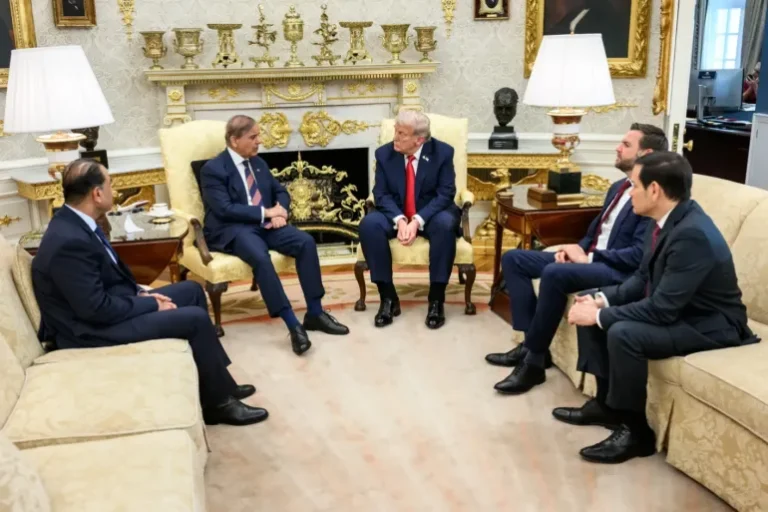
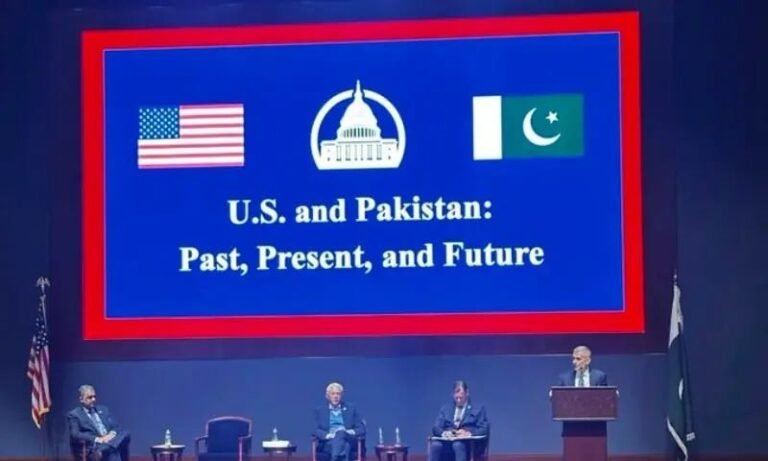
Trump said the US plan begins with a key demand that Iran must not possess nuclear weapons. According to media reports, the proposal, reportedly conveyed through Pakistan, includes a possible one-month ceasefire during which broader negotiations would take place.
Read More: Netanyahu Persuaded Trump to Approve Iran Operation Targeting Khamenei: Report
The reported framework includes provisions for Iran to limit its nuclear activities, ensure safe navigation through the Strait of Hormuz, and potentially receive sanctions relief and support for civilian nuclear energy projects, including at Bushehr.
Despite these developments, Tehran has not officially confirmed receiving or accepting any such proposal.
Even as diplomatic signals emerge, fighting across the region has continued. Israeli strikes targeted multiple locations in Iran, including areas near key infrastructure, while Iranian missiles continued to hit targets in Israel, causing injuries and damage.
Israel has indicated that its military campaign will proceed regardless of diplomatic discussions, stating that operations will continue until perceived threats are eliminated.
The conflict has also expanded beyond Iran and Israel. In Lebanon, Israeli strikes have intensified against Hezbollah positions, leading to significant casualties and displacement. Gulf states including Bahrain, Kuwait, Saudi Arabia, and the United Arab Emirates have reported intercepting missiles and drones linked to Iran.
Read More: Oil Prices Rise as Supply Fears Persist Amid Iran War
Despite talk of negotiations, reports suggest the United States is preparing to deploy additional troops to the region, underscoring the fragile nature of the situation.
The conflict, now nearing a month, has disrupted global energy markets, driven up fuel prices, and heightened fears of a broader regional war. While the opening of the Strait of Hormuz offers a glimmer of hope, analysts caution that the path to a lasting ceasefire remains uncertain.