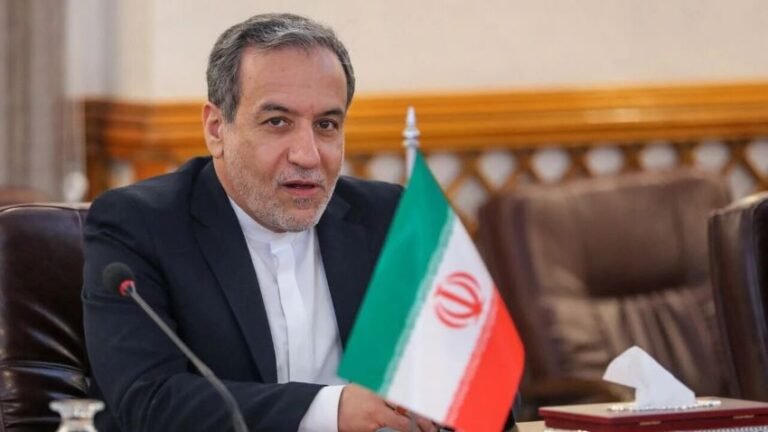
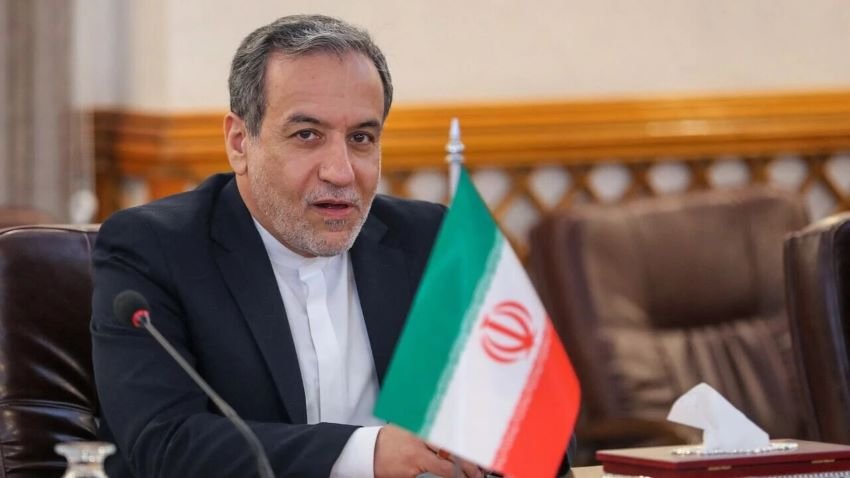
Tehran (TDI): Iran’s Foreign Minister Abbas Araghchi has urged vigilance and coordination with regional partners, including Turkiye, Egypt, and Pakistan, following recent attacks on the country’s energy infrastructure.
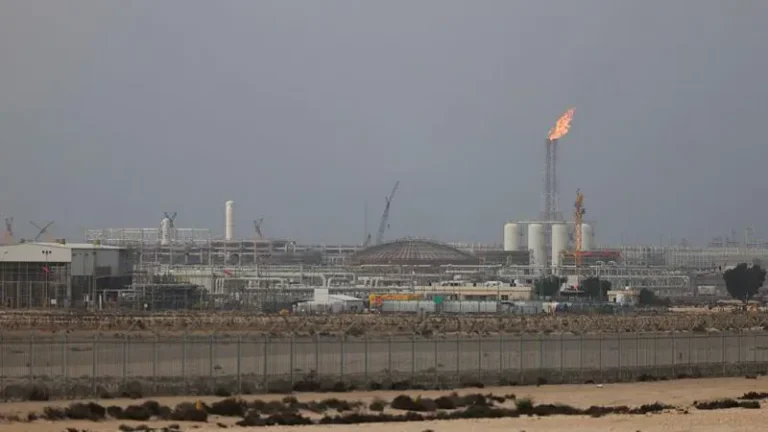
The calls come as Iran retaliated against what it described as US-linked energy sites in Gulf countries, including Ras Laffan Industrial City in Qatar, after its own facilities in the South Pars gas field and Asaluyeh were targeted on Wednesday.
In discussions with foreign counterparts, Iranian officials described the strikes on its infrastructure as acts designed to escalate tensions and destabilize the region, urging regional cooperation to counter such threats.
A spokesman for Iran’s armed forces warned of harsher responses to any future attacks, “If strikes on Iran’s energy infrastructure occur again, further attacks on your energy infrastructure and that of your allies will not stop until it is completely destroyed, and our response will be much more severe,” Ebrahim Zolfaqari said.
Read More: US Considers Major Troop Deployment as Iran War Intensifies
Iranian aerial attacks since Wednesday have caused significant damage to Qatar’s Ras Laffan gas complex, one of the world’s largest LNG facilities, targeted a refinery in Saudi Arabia, forced the UAE to shut gas facilities, and triggered fires at two refineries in Kuwait.
The Saudi defense ministry reported that a drone fell near the Aramco-Exxon SAMREF refinery in Yanbu, prompting missile interceptions. Kuwait’s Mina al-Ahmadi and Mina Abdullah refineries also suffered drone strikes, resulting in fires.
QatarEnergy confirmed that missile strikes on Ras Laffan caused “extensive damage,” while the UAE temporarily shut down gas operations after intercepting missiles.
Shell, which operates facilities at Ras Laffan, said its Pearl gas-to-liquids plant sustained damage, but the fire was quickly extinguished and is now in a safe state. The facility processes up to 1.6 billion cubic feet of wellhead gas per day.
Read More: Iran to Boycott US Matches but Stay in FIFA World Cup 2026
Qatar produces 77 million metric tons of LNG annually, serving both domestic power generation and industrial needs. The attacks on Ras Laffan have raised concerns about potential global gas supply disruptions. Saul Kavonic, head of research at Australia’s MST Marquee, said the strikes “could cause a lasting global gas shortage, though high gas prices may economically benefit the US.”