

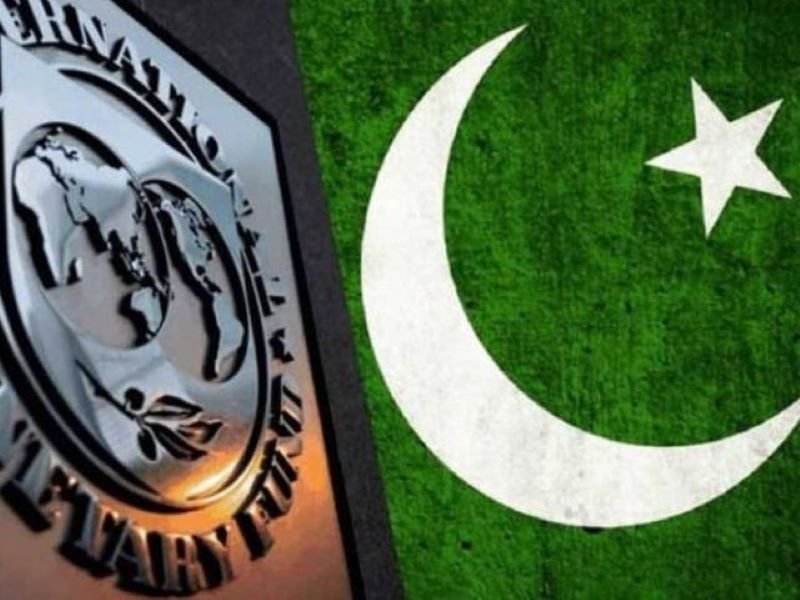
Islamabad (TDI): The International Monetary Fund’s Executive Board is set to meet on December 8 to consider the release of nearly $1.2 billion in financing for Pakistan.
Islamabad reached a staff-level agreement with the IMF in October after several rounds of discussions held in Karachi, Islamabad, and Washington between September 24 and October 8. While the agreement paved the way for the next tranche, the IMF Board’s approval is still required before the funds can be disbursed. Once cleared, Pakistan will receive close to $1 billion under the Extended Fund Facility and an additional $200 million through the Resilience and Sustainability Facility.
The IMF confirmed the date of the meeting in a brief update on Friday, and the Board’s schedule posted online also lists Pakistan’s programs for review. Talks between the IMF team, led by mission chief Iva Petrova, and Pakistani authorities centred on fiscal discipline, monetary policy, structural reforms, and progress related to climate commitments.
In its earlier assessment, the Fund noted that Pakistan had shown meaningful improvement in reducing inflation, improving its fiscal balance, and strengthening external reserves. It also highlighted the State Bank’s tight monetary stance, crediting it for anchoring inflation expectations.
Read More: Can Pakistan Ever Exit the IMF Cycle? Why the Economic Model Needs Reinvention
The IMF further acknowledged Pakistan’s efforts in pushing forward structural reforms, especially in the power sector, state-owned enterprises, and public-service delivery, though it stressed that sustained implementation remains essential. Progress under the RSF-supported climate agenda was also recognised, including steps aimed at disaster resilience, water management, and enhanced climate-data systems. These areas have taken on greater urgency after recent floods caused widespread damage across major sectors.
A positive decision by the Board is expected to help stabilise market sentiment at a time when the country continues to navigate external pressures and the economic impact of last year’s natural disasters. Islamabad is under continued pressure to maintain fiscal discipline, raise revenue, and address long-standing energy-sector inefficiencies to ensure broader stability.
The IMF has cautioned, however, that significant risks remain. The economic outlook has been undermined by flood-related losses, and the Fund has reiterated that monetary policy will need to stay tight and data-driven to keep inflation within the central bank’s target. It also underscored the need for steady reforms to boost productivity, strengthen competition, and address weaknesses in public-sector governance.
Read More: IMF Is Not the Enemy, Pakistan’s Internal Economic Architecture Is
Should the Executive Board give its approval on December 8, Pakistan could receive the funds as soon as the following day. Officials hope the inflow will strengthen external buffers and reinforce confidence in the government’s reform agenda.


