Every year, human beings generate between 2.1 to 23 billion tons of municipal solid waste, which threatens environmental well-being, economic growth, and speeds up the triple planetary crisis; deteriorating nature and upscaling biodiversity loss and pollution.
The International Zero Waste Day is observed every year on March 30th to highlight the importance of bolstering unwanted materials management across the globe to promote sustainable usage and production patterns.
The United Nations General Assembly adopted a resolution on December 14, 2022, to mark this day as a global observance, to highlight the need for recycling and to foster initiatives that turn waste into resources.
The day stresses importance to improve unusable substances management, reduction of pollution and adopting circular economy practices to industries, governments and individuals.
This year’s theme is centered around reducing food waste. Every year, 1 billion tons of edible food is wasted, of which 60% wastage occurs at the household level.
The UN Secretary-General’s Advisory Board on Zero Waste announced the first global list of 20 cities toward zero waste to recognize leadership in waste reduction and resource circulation.
Read More: Zero Waste Movement: Pakistan Benefits From a Culture of Reuse, Minimal Waste
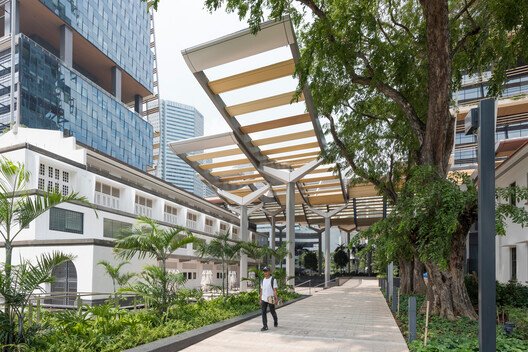
To become a Zero Waste City is not a standard solution but involves extraordinary plans such as systemic governance and policy, adopting legislation for extended producer responsibility, landfills bans, and mandatory recycling. For instance, San Francisco has achieved 80% of landfill diversion through mandatory recycling and composting laws.
Zero waste cities, which are an extension of the Zero Waste Movement, represent a mindset, a lifestyle change, and a commitment shared across the community to not waste resources, to recycle the waste, and to create a sustainable future. It involves:
- Industrial and Economic Shifts, building networks where one company’s waste becomes another’s raw material, and creating
- Technological and Digital Integration, using “digital brains” (smart platforms) with sensors and real-time data to track waste flows, optimize collection routes, and ensure transparency.
- Community and Behavioral Change, implementing convenient door-to-door collection, user-friendly waste sorting apps that offer rewards, and extensive public education.
Several cities across the globe have gained international recognition, including from the United Nations, for their successful zero-waste initiatives.
One such city is Hangzhou in China. The United Nations named Hangzhou as a zero-waste-city for reducing waste in a metropolis of 12.6 million people. Its digital brain platform and user-friendly recycling apps helped reduce daily waste per capita from 1.06 kg to 0.99 kg in just three years
Another such city is Varkala in India. Selected by UN-Habitat and UNEP as a global “Zero Waste City” model for its decentralized waste management approach, which includes a sanitary waste treatment facility and community-led initiatives.
Other recognized leaders include San Francisco (USA), Ljubljana (Slovenia) – the first European capital to commit to zero waste, Kamikatsu (Japan) – famous for its 45-category recycling system, and Vancouver (Canada).
The ultimate goal is to shift from a linear “take-make-dispose” economy to a circular one where resources are continuously reused. This reduces environmental pollution and greenhouse gas emissions while creating new economic opportunities.

Established in December 2008, The Diplomatic Insight is Pakistan’s premier diplomacy and foreign affairs magazine, available in both digital and print formats.