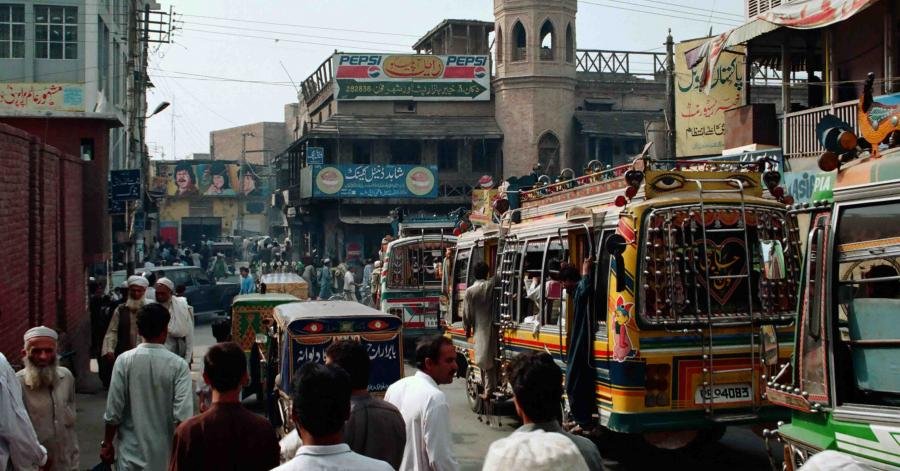
Khyber Pakhtunkhwa (KP), with its hills and pathways connecting Afghanistan to Pakistan’s heartland, is situated at the country’s border crossroads. In an effort to boost the economy and create jobs, the new provincial government led by Chief Minister Sohail Afridi has unveiled an ambitious development agenda that includes everything from restarting stalled irrigation projects like the Chashma Right Bank Canal to enacting a game-changing Digital Payments Act to speed up e-commerce.
If fully implemented, these improvements have the potential to broaden the tax base, promote small businesses, and increase agricultural output. For example, the Digital Payments Act exempts small businesses from new digital sales taxes for two years while requiring QR-code transactions for government and corporate payments.
The Chashma Right Bank Canal, which would irrigate around 280,000 acres, generate approximately Rs38 billion per year, and support long-term stability and food security in the south, is also recognized by KP officials as a “lifeline” for the province.
This potential is underscored by donor interest; according to a recent estimate, KP’s 2025–2026 budget will set aside around Rs177.5 billion for 50 projects (roads, energy, health, etc.) financed by the World Bank, ADB, and other organizations. To put it shortly, Afridi’s economic approach has the ability to transform KP into a growth hub, increasing rural incomes and offering young people with alternatives to extremism.
However, KP is also at the forefront of a militant threat that is resurgent. According to security experts and officials, insurgents are gaining ground in erstwhile tribal territory and elsewhere. In November 2025, two suicide bombers targeted the Federal Constabulary’s Peshawar headquarters during a morning parade, killing three officers and injuring eleven more. This attack on a heavily guarded structure is alleged to have occurred as approximately 150 security guards were gathered demonstrates how easily militants can still penetrate hardened targets.
A Dawn probe briefed parliament on KP’s law and order a few days before: According to police, approximately 4,000 terrorists are active in the province’s border and tribal territories. According to intelligence reports, there are between 3,800 and 4,100 militants operating in KP. Highlight the enormous challenges that any development project faces. Afghanistan, a neighbor, remains a source of concern, with Tehrik-e-Taliban Pakistan (TTP) fighters apparently able to regroup across the border due to the Afghan Taliban, according to Pakistani authorities. Because the security situation in KP is so volatile, many local residents have begun to relocate in preparation for fresh operations.
Read More: British Council Delivers Master Training in KP’s Food and Beverage Sector
Federal-provincial clashes take place in KP’s legislature
In late November 2025, MPs from the ruling party blamed a spike in attacks on Islamabad’s policies, while the calm. MPs from the government even cited intelligence showing that thousands of terrorists were still active in KP. These disagreements show a deeper political fault line. KP’s concern about suspected federal overreach is evident in Chief Minister Afridi’s public promise to fight any “attempt to undermine provincial autonomy”.
However, a key Gallup poll shows a different reality on the ground: Sixty percent of KP residents said their province’s leadership had “wasted time in protests” rather than governing, and eighty-five percent preferred closer collaboration with the federal government over confrontation. In other words, even though their leaders campaign on the basis of provincial rights, KP residents expect synchronized action and results. The electorate’s message is clear: while political talk about autonomy is prevalent, people want peace and efficient governance.
The purpose of Afridi’s economic reforms is to lay the groundwork for steady growth. To encourage informal merchants to become formal, the Digital Payments Act, for example, not only requires both public and commercial organizations to utilize QR-based billing, but it also specifically waives taxes on digital receipts for two years. Officials argue that this will boost income and eliminate corruption while not immediately burdening businesses. Better schools, hospitals, and job opportunities in KP’s cities and villages may eventually result from a broader tax base and greater financial inclusion. Similarly, it is thought that rebuilding the Chashma Right Bank Canal is critical to boosting the rural economy.
According to KP’s leadership, irrigating approximately 280,000 acres of uncultivated land in the southern districts may yield over Rs38 billion per year and significantly increase farm earnings, despite the region’s history of poverty and militancy. By increasing local crops, the CRBC would cut national food imports and improve food security. These projects were specifically designed to fight extremism: secure lives and official jobs make young people less vulnerable to militant recruiting. Afridi has linked CRBC to counterterrorism, claiming that additional farming jobs will “alleviate … the area of this menace through employment generation”.
Despite keeping an eye on the security situation, foreign partners appear willing to invest. According to a 2024 Dawn story, a surge in violence, particularly in Balochistan and KP, could hinder foreign investment, since “ensuring security…holds the keys to success” for economic endeavors. The report cautioned that Pakistan’s foreign investment inflows remained risky, in part due to the deteriorating security situation. In that scenario, donors and investors are likely to postpone making large commitments until they see long-term stability in KP.
Afridi must strike a delicate balance between supporting Islamabad’s security strategy and preserving KP independence. Since 2024, tensions have risen. The PTI government in the province has challenged national policies and even violated some federal authorities, but polls show that the vast majority of KP inhabitants support unification based on outcomes. In November 2025, the KP Assembly formed a special security committee led by the Speaker, highlighting the complexity of parliamentary efforts.
Read More: UK-Funded Five Years SEED Program in KP Comes to an End
Afridi asked parties to find an agreement, and both the opposition and the Treasury promised to work together for peace. To address the “huge trust deficit” that has emerged, committee officials proposed that all parties be involved before initiating actions.
Afridi has called for increased cooperation, emphasizing on the 18th Amendment’s autonomy sections and requesting a meeting with imprisoned PTI founder Imran Khan to discuss proposed changes. However, government officials have emphasized the need for a unified response to militancy. When KP’s tribal Jirga’s proposed negotiating with the Taliban, Pakistan’s Interior Minister warned province governments to “fulfill their responsibilities” against terrorism or face the consequences.
In the end, Afridi must turn KP’s negotiating power into actual deals. This will most likely mean putting pressure on Islamabad to increase transparency in income sharing and cooperate on security planning. Islamabad may be more willing to delegate resources and decision-making if it believes that provincial assertiveness helps development and peace rather than simply protesting. The recent effort to “bring all political parties to the same page for a collective decision” on security, according to one KP official, displays a genuine desire to collaborate. However, there is little room for compromise: federal and provincial parties must work together or risk alienating voters and investment.
The residents of KP display a mix of caution and confidence. Voters’ top priorities include jobs, infrastructure, and services. According to a Gallup poll, 67% of respondents said the government had failed to produce jobs, while 59% claimed unemployment was increasing. Basic utilities also fall short: about half have intermittent power, and two-thirds report no piped gas.
Only 38% of respondents thought CM Gandapur’s performance was superior to prior administrations, despite the fact that KP’s much praised Sehat health card received greater support (83% said it expanded access) than confidence in the current administration. To put it simply, many locals claim to support development programs, but they want tangible results over words.
Local protests reflect public’s complaints
In mid-2025, thousands of people, including young people and community elders, held a sit-in in Bajaur’s Lowi Mamund tehsil to protest a security operation. The demonstrators, many of whom wore black ribbons, complained about the abrupt commencement of the operation and the harsh curfew. They said that earlier aggressive operations had simply bolstered anti-state narratives and “yielded nothing but suffering”. Authorities opted to postpone the operation, relax the curfew throughout the day, and compensate relatives of those killed or injured over two days of protests. In a separate protest, displaced Bajaur people highlighted failures in aid providing.
These local instances are consistent with poll results, which reveal that, while a slim majority (58%) believe police are performing well, roughly equal numbers express concern about terrorist attacks. It indicates that, while security operations might provide immediate benefits, they also risk alienating communities if not handled effectively. However, many individuals in Khyber Pakhtunkhwa believe in growth. Eighty-five percent of respondents said they would prefer to cooperate with the federal government.
Read More: German Ambassador Lauds KP’s Billion Tree Afforestation Support Project
The basic message was clear: people prefer investments in jobs, education, and health to constant political agitation. Nonviolent protests are also acceptable in politics, according to two-thirds of respondents. This view has also been expressed during tribal council meetings. A number of Jirga’s from various districts have informed CM Afridi that they oppose any fresh full-scale military offensives and instead prefer a dialogue-based peace Jirga that includes federal and provincial representatives (and even the Afghan Taliban). To put it another way, the people of KP have indicated that they will only support security measures if they involve local consultation, immediate assistance to affected families, and visible follow-up.
Afridi’s duty is to convert KP’s promise into stability and expansion. Based on the above, essential priorities should include: Local security measures, such as local hiring quotas, community policing units, and rapid-response relief teams, should be included in any major infrastructure or investment project. This “security-by-design” concept provides citizens with a stake in stability by transforming, for example, a canal project or industrial zone into both a source of employment and a barrier to militancy.
Counterterrorism measures must be directed by intelligence and backed by accountability. Unannounced raids and widespread curfews backfire, as evidenced by the Bajaur demonstrations. Rather, authorities should assure rapid compensation for any collateral damage, develop transparent plans to protect people, and consult with Jirga’s or municipal bodies throughout planning. In practice, this means early community involvement, open grievance procedures, and the immediate restoration of routine services (shops, schools) following clearance. If effectively implemented, the Digital Payments Act has the potential to restore public trust in addition to increasing revenue.
KP should ensure that bringing traders online is simple and equitable (for example, by offering subsidized digital training and privacy measures) and that the extra tax revenue is clearly linked to community benefits (roads, clinics, education). Campaigns to promote public awareness must emphasize how digital records prevent corruption and allow taxpayers to track the usage of their funds. To obtain federal backing, Afridi should emphasize KP’s development initiative.
This category includes formal agreements on cooperative intelligence sharing, cooperatively sponsored security activities, and financing intended for provincial projects (for example, a defined amount of CPEC or foreign cash). In return, if the province delivers favorable investment conditions, federal lawmakers should grant KP’s autonomy proposals. Clear protocols should be developed for recent initiatives, such as the formation of bipartisan security committees and the invitation to Islamabad to coordinate counterterrorism activities.
According to one source, KP must demonstrate that its assertiveness leads to stability rather than fragmentation. If Afridi succeeds in linking peace with progress, KP has the potential to become Pakistan’s growth engine, opening up trade, jobs, and resilience. However, the province risks becoming a liability if insecurity outpaces growth or if the political standoff remains. In that instance, ongoing violence would dissuade investors, irritate voters, and compel the country’s economy to continuously deal with crises. The only way to move forward is to emphasize long-term development and inclusive governance with security. For KP and Pakistan’s future, the stakes could not be higher.
*The views expressed in this article are the authors’ own and do not represent TDI. The contributor is responsible for the originality of this piece.

Hamdan Ahmed
Hamdan Ahmed is a student of International Relations at NUML, Islamabad. He can be reached at hamdanahmed319@gmail.com