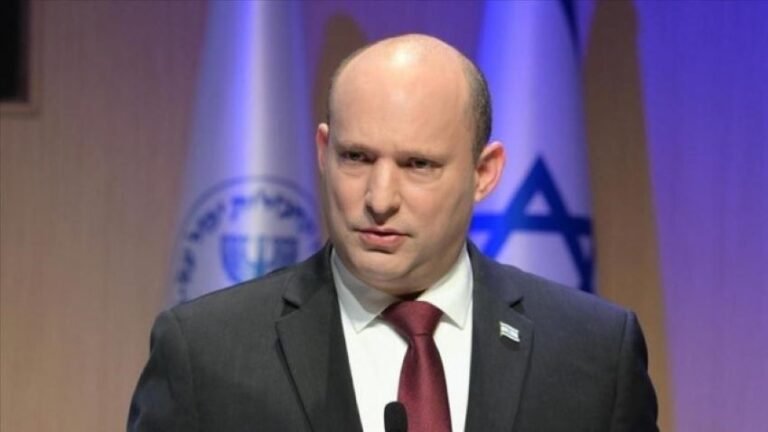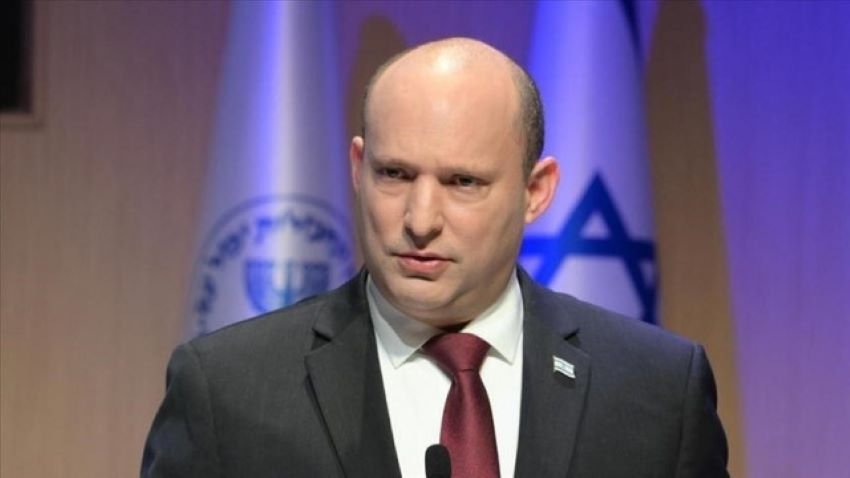
Tel Aviv (TDI): Former Israeli Prime Minister Naftali Bennett has sharply criticized the leadership of Prime Minister Benjamin Netanyahu, saying the current government is failing to secure decisive outcomes in ongoing military operations.
In an interview with Israeli media, Bennett said the leadership “does not know how to win in any arena,” pointing to the handling of conflicts in Gaza, Lebanon, and Iran. He argued that political considerations are interfering with military decision-making, limiting the army’s ability to achieve clear victories across multiple fronts.
Bennett also highlighted a significant manpower shortage within the military, estimating a deficit of around 20,000 troops. He suggested that drafting ultra-Orthodox Jewish communities could help address the shortfall but claimed the government has avoided the move due to political sensitivities.
Separate reports indicate that the Israeli military is indeed under growing strain. According to army spokesperson Effie Defrin, there is a shortage of approximately 15,000 soldiers as operations expand across different regions, including Lebanon, Gaza, the West Bank, and Syria. Military Chief of Staff Eyal Zamir has reportedly been tasked with assessing the army’s readiness, while also emphasizing the urgent need for legislation to formalize broader conscription.
Read More: UAE Signals Willingness to Join International Force to Reopen Strait of Hormuz
Local media reports suggest the proposed law would introduce phased enlistment quotas for ultra-Orthodox communities, alongside financial and legal penalties for those who refuse service, a move that has faced strong opposition from religious political parties.
The criticism comes at a time of escalating regional tensions, with Israel engaged in multiple military operations. Since late February, the conflict involving Iran has intensified, raising fears of a broader regional confrontation and the possibility of further escalation.
Read More: Russian Support Boosts Iran’s Morale Amid Escalating War: Pezeshkian
Israel has also expanded its operations in Lebanon, carrying out airstrikes in Beirut’s southern suburbs and launching limited ground activity in nearby areas. Meanwhile, in Gaza Strip, violence has continued despite an earlier ceasefire agreement, with ongoing casualties reported by local authorities.
The situation underscores mounting pressure on Israel’s military and political leadership as it navigates simultaneous conflicts, internal political divisions, and increasing scrutiny over its war strategy.