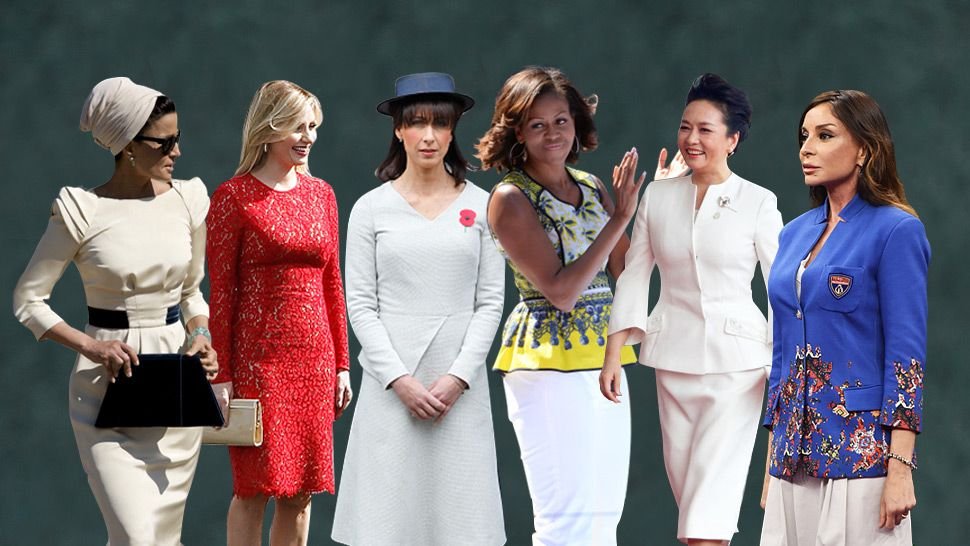
The role of a First Lady is one of the most paradoxical positions in public life: unelected, undefined, yet globally visible. Without constitutional authority, First Ladies often exercise a distinct form of influence grounded not in mandate, but in symbolism, access, and soft power.
Historically confined to ceremonial hosting, the role has evolved alongside media expansion and changing expectations of women in leadership.
Today, many First Ladies shape public agendas through advocacy in education, health, gender equality, and social inclusion. Their initiatives frequently operate at the intersection of civil society and government, a space where relational leadership matters as much as policy.
This influence is most visible in three domains:
- Cultural Diplomacy
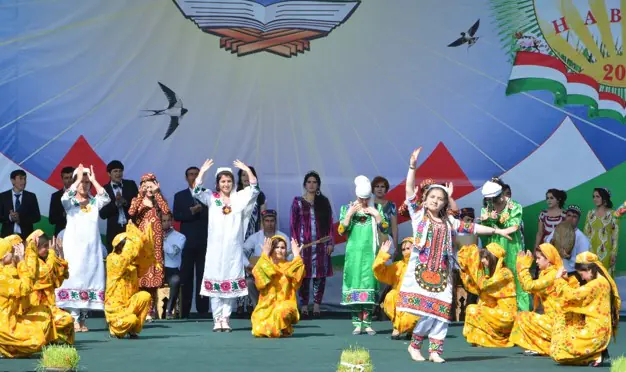
During state visits and international engagements, First Ladies contribute to people-to-people diplomacy. Through cultural programming, community visits, and symbolic gestures, they humanize bilateral relationships beyond formal negotiations. - Image and Narrative Formation
In a global media environment, national image is constructed as much through optics as through official statements. Attire, demeanor, and public engagement become part of how a country’s values are interpreted abroad. This makes First Ladies powerful actors in perception-shaping diplomacy. - Social Advocacy and Platform Leadership
Freed from direct partisan responsibility, many First Ladies leverage their visibility to elevate social issues. While lacking legislative authority, they often convene stakeholders, mobilize attention, and normalize conversations that might otherwise remain marginal.
The role is not standardized and varies widely across political systems and cultures. In some contexts it remains largely ceremonial; in others it has become an informal yet influential platform for global engagement.
What remains constant is this: influence does not always require a formal title. In an era where trust, symbolism, and human connection shape international relations, First Ladies represent a subtle but significant dimension of leadership, one that operates through presence, credibility, and relational power rather than mandate.

Catalina Bora
Catalina Bora is the founder of the Institute of Etiquette and Protocol. She can be reached at catalinabora@gmail.com