Often seen as a quiet northern land, Finland’s vast forests, rugged coastline and nearly 200,000 lakes set the stage for a compelling success story. Finland celebrates its Independence Day annually on December 6th. One of the key ways this day is celebrated is through the customary Torchlight Procession, which typically involves visiting the graves of heroes and singing patriotic hymns.
Finland’s celebrated present is connected to a past of unwavering persistence. Centuries under the Swedish realm and a subsequent era as a Russian Grand Duchy paradoxically allowed a distinct Finnish identity to flourish. Foundational democratic structures, including the pioneering 1906 Parliamentary Reform that granted universal suffrage, took root during this time.
Finnish culture is shaped by honesty, equality and quality education. People might seem reserved initially, but are generally kind and open-minded. Egalitarian principles are central, with both parents often sharing responsibilities at home. Everyman’s rights reinforce a deep connection to nature, allowing all residents to enjoy the outdoors freely.
The national identity is reflected in its cuisine, featuring traditional foods like voileipapoyta and most distinctly, reindeer prepared in various forms. This blend of natural beauty, egalitarian values and distinct traditions gives Finland its unique identity. The modern state was forged through the hard-won independence of 1917. Today, while recognized for its social welfare, Finland’s true global competitive edge stems from its renowned education system.
The Finnish Formula
Finland’s rise to global leadership, consistently achieving high scores in international assessments like PISA, was a deliberate, state-led process founded on profound structural equity.
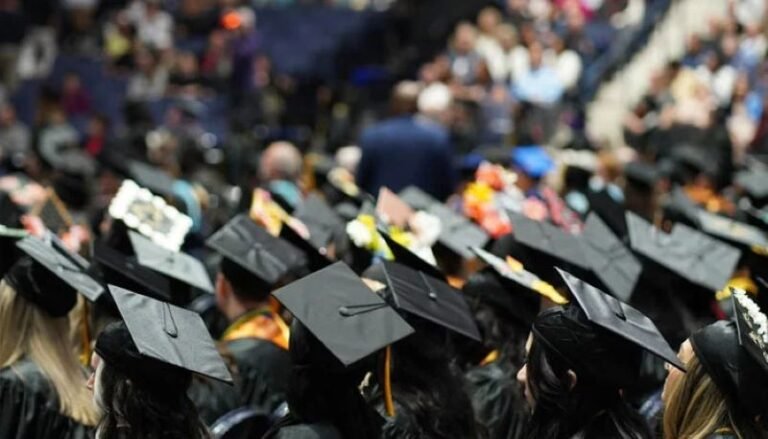
Peruskoulu, the nine-year compulsory comprehensive school system was implemented in 1972. This reform abolished the older two-track system, guaranteeing that every child, regardless of background, received the same high-quality educational foundation.
Today, over 99% of students complete this compulsory phase, ensuring a highly educated baseline workforce.
Read More: Ambassador of Finland to Pakistan Receives Global Ambassador Award
Rigorous Selection of Teachers
If the system is the architecture, the teacher is the essential pillar. The most crucial factor in Finland’s success is the professional quality, respect and autonomy of its teaching staff.
Teachers are rigorously selected from the nation’s top students and must complete an intensive five-year Master’s degree, training them as both expert practitioners and researchers.
This professional standard justifies the immense trust placed in them, the status comes with tangible autonomy; middle school teachers spend only 600 hours approximately annually in the classroom and dedicate a time period just for curriculum development, collaboration and professional planning.
The focus shifts from external accountability and testing fear toward professional mastery and student well-being.
Investment in Research and Development
Finnish curriculum prioritizes student development, so standardized tests are not practiced and all assessments are designed to support student learning rather than ranking students. Crucially, the system places a strong emphasis on early intervention and support, as many as half of all students may participate in some form of special education support during their compulsory schooling.
This minimizes grade repetition as less than 2% of students repeat a grade by age 16, ensuring resources are spent on prevention and support.
Read More: Ambassador of Finland engages with IYDS on Pak-Finland relations
For Finland, the welfare state and the education system are not separate policy areas; they are a unified economic strategy. That is why Finland’s spending on Research and Development reached a robust 3.4 per cent of Gross Domestic Product (GDP) in 2020, placing it among the highest in the European Union and exceeding the EU’s target.
This consistent high investment in R&D is made possible by a continuous supply of highly skilled graduates from the public education system.
This unique blend of natural beauty, equitable societal values, and strategic investment in knowledge defines Finland. The country stands as a powerful global example of how deep commitment to public education and social trust can create sustained national prosperity and well-being.
As Finland celebrates 108 years since its hard-won independence, it honors a legacy built on intellectual rigor, fairness and the unwavering belief in the potential of every citizen.

Tayyaba Arif is a student of International Relations, and takes keen interest in conflict reporting and the dynamics of regional and global affairs. She is especially committed to SDG 17, and believes in effective partnerships and promoting cooperative initiatives. She can be reached at tayyabarrif0@gmail.com