The relationship between fashion and diplomacy is as old as diplomacy itself. As early as the 17th century, France recognized fashion not merely as adornment but as an instrument of statecraft.
Jean-Baptiste Colbert, Minister of Finance under Louis XIV, famously declared, “Fashion is to France what the gold mines of Peru are to Spain.” What might sound whimsical today was, in fact, a statement of economic and political foresight.
By the 18th century, Queen Marie Antoinette even appointed a Minister of Fashion, acknowledging the immense symbolic and economic power of what was worn at Versailles.
From Pandora Dolls to Haute Couture as Commercial Diplomacy
At the height of Versailles’ influence, the world looked to France for cues in taste and refinement. The couturière Rose Bertin, often referred to as the “Minister of Fashion,” would first create miniature versions of her lavish designs on Pandora dolls – intricate mannequins dressed in the latest Parisian styles.
Once admired at court, these dolls were dispatched across Europe, serving as diplomatic envoys of fashion. They showcased French craftsmanship to foreign aristocrats, who would eagerly emulate these trends.
As time progressed, the Pandora dolls gave way to fashion magazines, which carried sketches and styles across continents at the pace of modernity. The diplomatic thread, however, remained intact, thus fashion continued to shape perceptions of nations.
After World War II, France once again turned to fashion as a strategic instrument of soft power. Between 1952 and 1981, French haute couture, under state sponsorship, became a tool of prestige-based commercial diplomacy.
A fascinating example can be found in Christian Dior’s 1954 Latin American tour, which visited 17 cities across 12 countries. French ambassadors and consuls documented how Dior’s shows, attended by First Ladies, dignitaries, and the press, projected an image of France as the global epicenter of elegance.
Through haute couture, France effectively exported not just garments, but identity and aspiration, reaffirming its leadership in taste, culture, and sophistication.
Fashion as Modern Diplomacy
In the 21st century, fashion continues to play a symbolic role in global relations, amplified by digital media. The wardrobes of leaders and first ladies have become deliberate channels of communication.
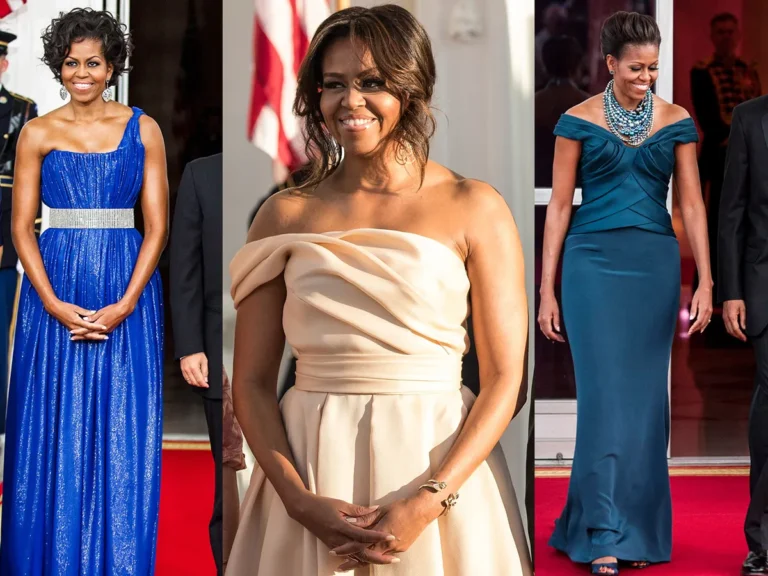
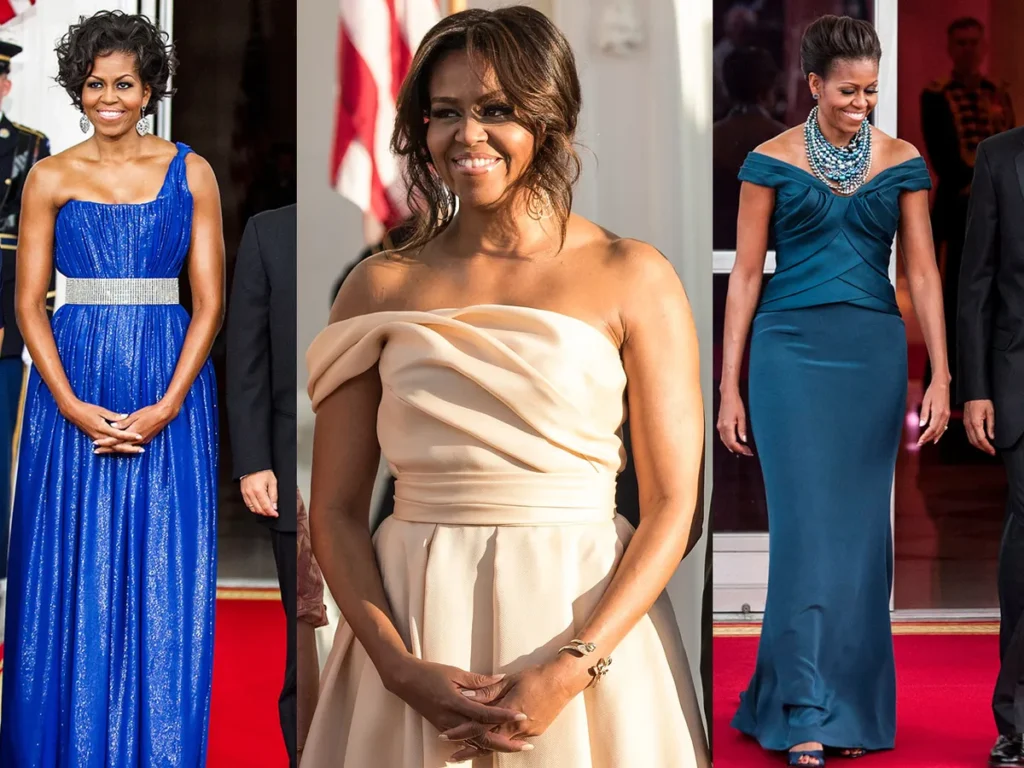
When Michelle Obama chose designers who represented both American talent and the guest nation’s heritage, she subtly balanced domestic promotion with diplomatic gesture, a form of fashion as dialogue, not vanity.
Initiatives like the Fashion Trust Arabia Prize (FTA) extend this legacy into the contemporary Arab world. Since its launch in 2018 under the patronage of HH Sheikha Moza bint Nasser, FTA has celebrated emerging designers from across the MENA region, using fashion as a bridge between cultures, innovation, and global recognition.
Similarly, the 2024 BRICS+ Fashion Summit in Moscow gathered representatives from over 80 nations, highlighting how textile traditions and design heritage can serve as cultural connectors in an increasingly fragmented world.
Read More: Never Lost in Translation: The Eternity of Diplomatic Gifts
A UNESCO report (2023) highlights Africa’s emergence as a vibrant hub of fashion diplomacy. With 32 Fashion Weeks held annually across the continent, Africa showcases exceptional talent in haute couture, craftsmanship, and design.
Once exclusive showcases of haute couture, Fashion Weeks now serve as stages of cultural diplomacy. Each collection tells a story of heritage, sustainability, or identity, offering nations an alternative way to express values when traditional diplomatic channels face skepticism.
In the realm of diplomacy, clothing transcends fabric, it becomes narrative. A well-chosen outfit can project strength, empathy, or continuity. Whether through the silks of Versailles, Dior’s postwar silhouettes, or the contemporary global stage, fashion remains a strategic, multifaceted language of influence – cultural, economic, and political.
As the world continues to globalize, fashion’s role in diplomacy is not fading; it’s evolving. It stands today as one of the most visually persuasive tools of soft power, capable of expressing identity, shaping perceptions, and weaving connections across borders.

Catalina Bora
Catalina Bora is the founder of the Institute of Etiquette and Protocol. She can be reached at catalinabora@gmail.com