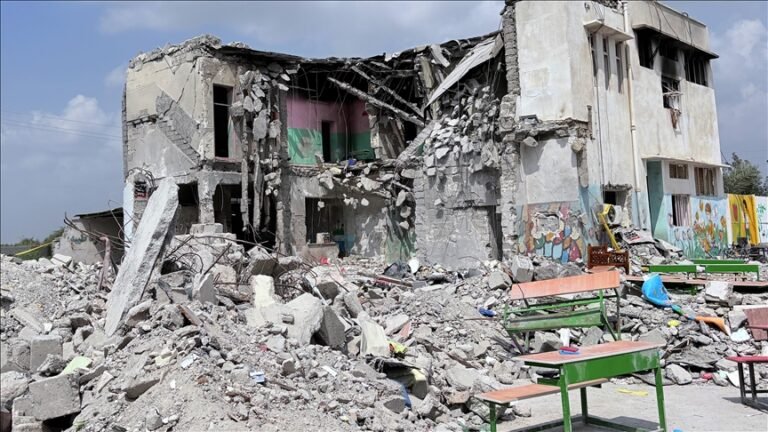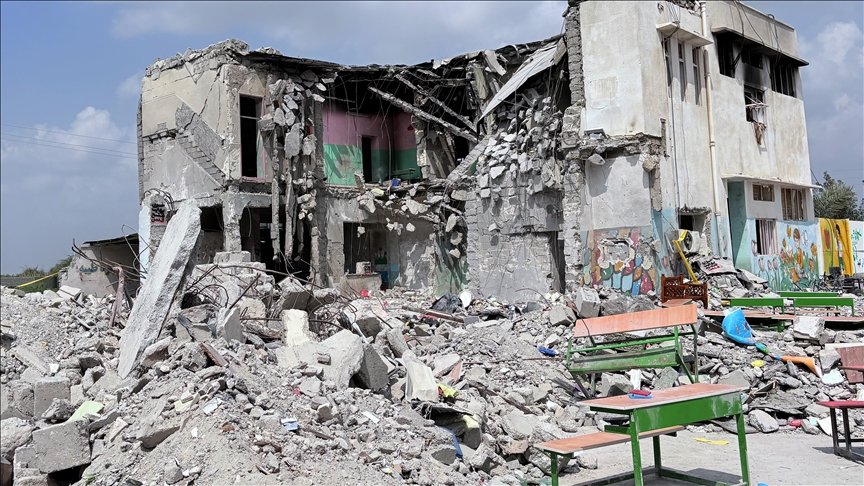
Exactly two weeks ago, on the morning of February 28, “Operation Epic Fury” began. Today, it has transformed the Middle East not merely into a military battlefield but into a laboratory of chaos, where all the fault lines of the global system are fracturing.
The United States and Israel’s strikes targeting Iran’s Supreme Leader Ayatollah Ali Khamenei and the regime’s top officials, while presented as military successes, reveal a stark reality on the ground: a regional fire with no exit strategy.
One of the core concepts of the neo-realist school in international relations—the Security Dilemma—is on full display. Israel’s so-called preemptive strikes, designed to maximize its security, are perceived by Iran as an existential threat.
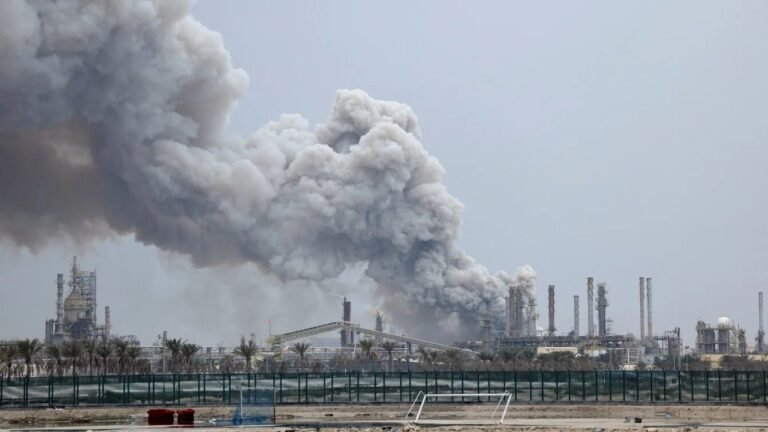
The result? An asymmetric wave of retaliation. The closure of the Strait of Hormuz, Brent crude surpassing $100 per barrel for the first time since 2022, and missile strikes stretching from Kuwait to Dubai and Erbil all underscore the cold truth of realism: when power balances are disrupted, the cost is borne by the entire system.
Read More: Tensions Escalate as Iran Claims Attack on US Aircraft Carrier Abraham Lincoln
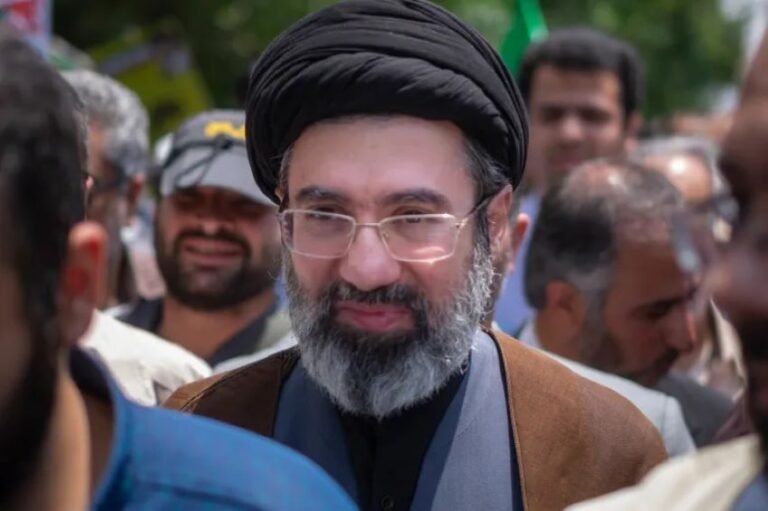
As Israeli sources admit, expecting a regime change in a nation of 90 million through airstrikes alone reflects enthusiasm more than intelligence. The ascension of Mojtaba Khamenei and the Revolutionary Guards’ continued operations on autopilot reveal a regime far more resilient than anticipated.
From a constructivist perspective, the West’s “liberation” rhetoric has not produced the expected outcome; instead, it has reinforced national identity in the face of external threat. Expecting a bombarded population to storm the streets and overthrow its government is a sociological blindness.
The real winner of this conflict will not be determined by falling missiles or eliminated leaders. The decisive factor is the 440 kilograms of enriched uranium in underground facilities, enough for ten nuclear warheads.
Should this conflict end without physically neutralizing or internationally monitoring Iran’s nuclear capacity, a weakened yet nuclear-armed Iran will represent a Pyrrhic victory for Israel—a win with devastating costs.
Türkiye’s Triple Dilemma
Caught in the eye of this storm, Türkiye faces the challenge of balancing alliance obligations with neighborhood realities. Ankara confronts three key risk scenarios:
- Chaos and Refugee Waves: The instability in Iran could trigger a flow of refugees from Iran to Türkiye, like what happened from Syria.
- Energy and Economic Shock: Disrupted natural gas supplies and blocked energy corridors threaten the economy.
- Ethno-Nationalist Mobilization: US Plans to arm Kurdish groups (PJAK/PKK axis) against Iran directly challenge Turkey’s border security—a matter of existential concern.
The impotence of multilateral institutions like the UN and EU, coupled with the destruction of the nuclear diplomacy table (JCPOA), may symbolize the final nail in the coffin of Liberal Institutionalism.
As of March 14, 2026, the world seems to be shifting from a rules-based order to one governed by the law of the strong. Perhaps it was always this way.
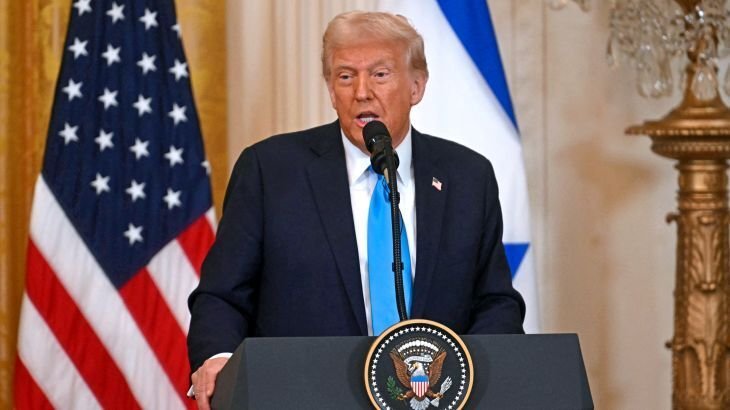
The Trump administration’s early assurances that the conflict would soon end may prove as misleading as many historical precedents. In the Middle East, starting a war is a choice; ending it is often a long marathon.
*The views presented in this article are the author’s own and do not necessarily reflect the views of The Diplomatic Insight.

Muhammed Musab Biçer
Muhammed Musab Biçer is a policy researcher in international relations, strategic studies, and regional geopolitics, with a particular focus on Türkiye–Pakistan relations and the evolving security dynamics of South Asia and the Middle East. He holds an MPhil in Strategic Studies from the National Defense University in Islamabad. He earned his bachelor’s degree in International Relations from Gazi University in Ankara. Biçer has gained professional field experience across multiple regions, including Africa, South Asia, and the Middle East.