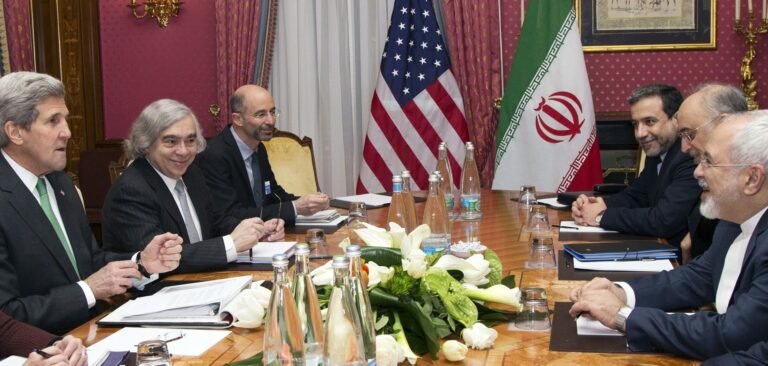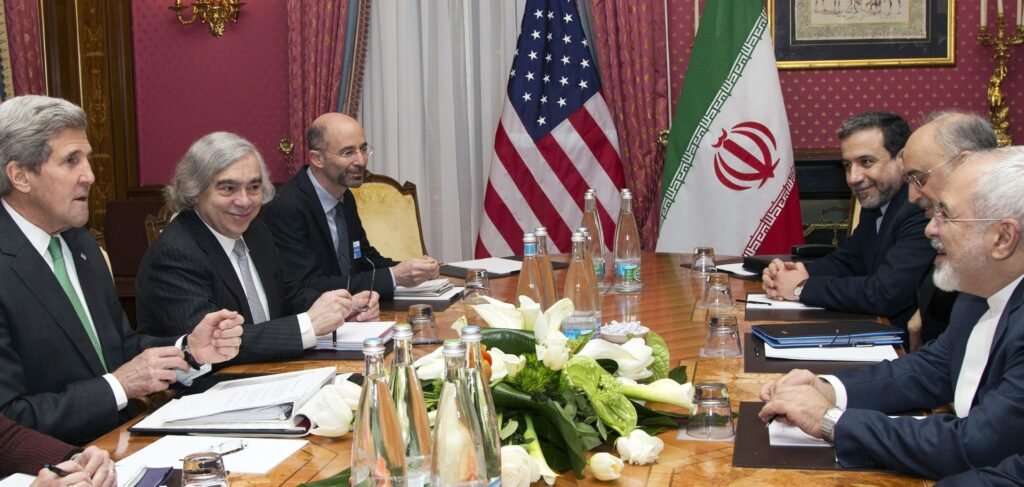
Nobody paid much attention to what American diplomats were doing in the months before Iran nuclear talks began in 2015. The world focused on centrifuges, enrichment percentages, inspection protocols. Meanwhile, U.S. negotiators were doing something that looked completely unrelated to nuclear physics.
Reading Persian poetry. Mountains of it.
Hafez wrote in the 1300s, but his verses still shape how Iranians think today. Rumi’s mystical poetry. Saadi’s moral tales. These weren’t optional reading. One negotiator later said he’d absorbed more Persian verse in half a year than he’d read English poetry in his whole life. They were learning ta’arof—that distinctly Iranian etiquette where refusing something twice is mandatory politeness, where accepting too fast makes you look greedy.
They studied the 1953 coup. Mossadegh’s overthrow. Every intervention, every slight, every wound that Iranians carry in their collective memory.
When actual negotiations started—and promptly stalled, repeatedly—this background work proved as critical as sanctions or threats. These diplomats weren’t converting Farsi into English. They were bridging utterly different systems of meaning, historical trauma, social codes running so deep most Iranians follow them unconsciously.
This keeps happening. The old diplomatic toolkit—economic pressure, military posturing, financial carrots—increasingly produces mixed results. But something else now frequently separates successful negotiations from failed ones. Pierre Bourdieu identified it back in the 1970s, though he was talking about French social elites, not diplomats: cultural capital. The knowledge, taste, and cultural fluency that create advantages in competitive settings.
It translates strongly to international negotiations.
Cultural capital means you can operate inside someone else’s culture. You speak their language well enough to get their jokes. You know their history well enough to understand what still hurts. You recognize their art, their manners, their invisible rules about communication. More and more, it’s what often determines outcomes when the stakes climb high.
Why Soft Power Doesn’t Go Far Enough
Joseph Nye’s 1990 essay on soft power revolutionized thinking about international influence. His core idea was straightforward but profound: attraction beats coercion for achieving many goals. Countries get what they want by making others want the same things, mostly through cultural appeal.
Cultural capital pushes past this. Soft power is about outcomes—people find your country attractive. Cultural capital is about assets—the specific knowledge individual diplomats actually possess. Your country can project enormous soft power while your negotiators still fail because they misread social cues, use wrong cultural references, can’t build trust across deep differences.
China’s Confucius Institutes scattered across Southeast Asia show the difference. On paper: Mandarin classes, cultural programs. Analysts note that in reality, these function as carefully constructed networks of people who understand Chinese communication styles, thinking patterns, cultural frameworks. When South China Sea disputes heat up, observers argue these networks become informal channels that official diplomacy can’t match.
The cultural programming builds what Bourdieu called “symbolic capital”—stored goodwill and understanding that diplomats draw on when formal talks collapse.
Three Moments Where Culture Matters
Cultural capital works at different stages, each critical. First stage: it determines whether negotiations even start. Sister Cities programs demonstrate this. Tulsa pairs with Utsunomiya. Portland with Sapporo. Looks harmless. Feels pointless from a geopolitical perspective—art shows, student visits, food events.
But watch what happens. These build social capital that national diplomats later convert into concrete leverage during trade talks or security discussions. City-level cultural ties become national diplomatic tools.
Second stage: cultural capital shapes how negotiations unfold. Research examining this finds the same pattern constantly: negotiators who understand cultural differences navigate them well, negotiators who don’t keep stumbling. In cultures where indirect communication is standard, a diplomat who reads context and preserves face turns disasters into agreements.
Kosovo’s peace talks proved this. When mediators acknowledged competing cultural stories about shared historical sites rather than dismissing them as ethnic irrationality, conflicts that looked permanent became negotiable. The cultural elements weren’t obstacles—they were construction materials.
Third stage: cultural capital affects what deals emerge and whether they survive. Agreements built on real cultural understanding outlast government changes, economic swings, political volatility. They create what public diplomacy scholars call “enduring symbolic alignment”—shared meaning frameworks that persist after the original negotiators have moved on.
Read More: Never Lost in Translation: The Eternity of Diplomatic Gifts
How do you acquire cultural capital? Massive gap exists between genuine competence and diplomatic theater. Staged monument photos, ritual gift exchanges, token nods to local customs—these convince nobody. Often they backfire.
Language matters most. When negotiators work in their counterpart’s native language, even badly, even with terrible accents, the dynamic shifts completely. Not just because communication improves—because it shows you invested real effort inhabiting their worldview. That investment restructures power at the table.
But language is just where you start. Real cultural capital means understanding a society’s art, literature, historical traumas, core philosophical ideas. During climate talks, diplomats who can discuss indigenous environmental thinking or traditional stewardship often achieve more than colleagues wielding only carbon data and economic models.
The smartest practitioners know cultural capital requires genuine reciprocity, not one-way broadcasting. UNESCO’s current framework emphasizes mutual exchange, even includes returning stolen cultural property. This differs sharply from older models where powerful states projected culture at weaker ones without listening. Real cultural capital comes from respect, not performance.
Small Countries, Big Advantages
Countries that can’t compete militarily or economically can leverage cultural capital for asymmetric gains. The Philippines shows how. In ASEAN forums dealing with South China Sea disputes, Filipino diplomats use Bayanihan—indigenous communal cooperation traditions.
By reframing maritime conflicts through shared resource concepts and collective stewardship instead of zero-sum territorial claims, they create negotiating room that raw power calculations would never allow.
Filipino cultural exports work similarly. Music, food, performing arts, a large global diaspora—these build connection webs across Asia and beyond. The webs work as diplomatic infrastructure. When official relations freeze, cultural ties keep communication flowing. Shared cultural vocabulary provides channels when formal ones close.
Cultural capital carries serious risks. Fake gestures explode when people see through them. Authenticity isn’t abstract ethics—it’s practical survival. People instantly tell the difference between diplomats genuinely engaged with their culture and those reading scripts.
Power imbalances create worse problems. When dominant nations use cultural capital, it can hide persistent inequalities. The line between cultural diplomacy and cultural imperialism blurs, especially when economic or security goals lurk behind cultural programs. Academic frameworks help spot these patterns, but staying alert takes constant work.
Read More: Art of Narrative Diplomacy: Bridging Cultures Through Storytelling and Literature
Foreign ministries and diplomatic schools need to rethink everything. Cultural immersion should matter as much as policy analysis or economic theory in training. This means establishing cultural intelligence units within foreign ministries, implementing mandatory language immersion postings before senior assignments, and creating interdisciplinary diplomatic training tracks that combine area studies with negotiation practice.
Diplomatic postings should reward cultural knowledge as much as technical expertise. Strategic cultural exchanges—arts programs, educational partnerships, heritage projects—need investment as lasting infrastructure, not budget items you cut when money tightens. Pre-negotiation culture briefings should become standard protocol, not afterthoughts.
More basically: stop treating culture as decoration for “real” diplomacy. Identity, narrative, meaning—these shape political possibilities as much as military strength in today’s world. Cultural capital has become necessary, not optional. Academic work shows this shift clearly, though actual diplomatic practice lags behind.
The next breakthrough in Middle East peace, climate deals, trade negotiations—it may depend less on GDP than on whether negotiators have enough cultural fluency to find common ground where others see only conflict. Cultural capital isn’t supplementary anymore. It’s primary currency. Whether diplomatic institutions adapt fast enough remains an open question.
*The views presented in this article are the author’s own and do not necessarily reflect the views of The Diplomatic Insight.

Lucell A. Larawan
Lucell A. Larawan is a public policy analyst and columnist based in Bohol, Philippines. He earned his Master's degree in Public Management from the University of the Philippines and has contributed research to international academic journals. Over two decades, he taught business and public administration at Central Philippine University and Holy Name University. An accomplished visual artist with eight solo exhibitions to his credit, he currently chairs the Committee on Visual Arts of the Bohol Arts and Cultural Heritage Council. His work examines the intersection of culture, governance, and diplomacy in Southeast Asian contexts. He can be reached at lucelllarawan@gmail.com