Centuries ago, diplomats fought over who should enter a room first. Now that same principle guides presidents, CEOs, and officials alike. Over time, precedence transformed from a source of conflict into a foundation for order in diplomacy, official events, and business.
Many of the norms of protocol and etiquette that we take for granted today did not always exist. They emerged out of necessity, often after painful disputes that disrupted international relations.
One of the most indispensable tools of protocol that arose from such process is the order of precedence, a framework that organizes rank, prevents conflict, and ensures harmony in official and diplomatic life.
From antiquity, man’s insatiable quest for power, prestige, and recognition gave rise to disputes about status. Even in early diplomacy, when city-states exchanged ad hoc missions, ceremonies had to be carefully observed. Hosts showed respect, while visiting envoys relied on courtesy (and often flattery) to achieve their goals.
Read More: Panda Diplomacy: A Soft, Cuddly Power
But with the rise of permanent missions in the 16th and 17th centuries, tensions grew. Multiple envoys in the same court competed for prominence, each believing their rank reflected the dignity of their sovereign.
The consequences were often dramatic:
- In 1616, the Spanish and French ambassadors fought physically at the Court of St. James in London over who should take precedence.
- In 1768, a dispute between the Russian and French envoys in London escalated into violence, leaving one ambassador wounded.
These quarrels demonstrated the urgent need for rules that would prevent diplomatic chaos.
Attempts at Order
There were early attempts to impose order starting with Portugal’s Prime Minister Pombal proposal in 1760 to rank envoys by the date they presented their credentials.
But the real breakthrough came at the Congress of Vienna (1815), which introduced four diplomatic ranks, later setting the precedence within each class by seniority (Aix-la-Chapelle, 1818).
These rules, later upheld in the 1961 Vienna Convention, still form the backbone of diplomatic practice today.
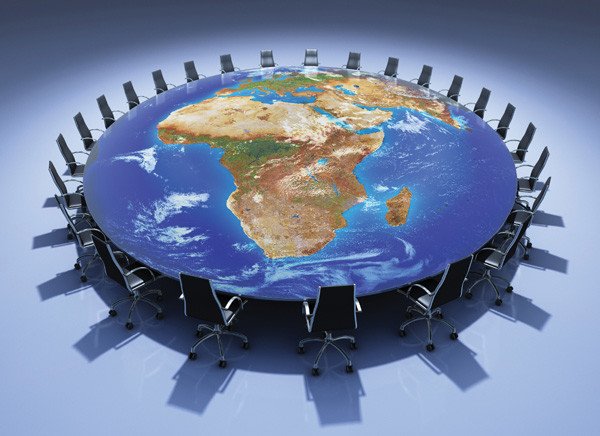
Beyond diplomacy, most countries maintain national lists of precedence to guide official ceremonies. These typically start with the head of state, followed by foreign ambassadors, parliamentary leaders, the prime minister and cabinet, and then judicial, regional, and institutional heads.
While details differ by country, for example, in Catholic nations papal representatives often outrank others, the principle is universal: clear order prevents disputes and ensures respect.
Why It Matters
Precedence may look like mere formality, but it plays a vital role. By transforming rivalry into structure, it ensures fairness, stability, and smooth relations between states and within nations.
Over time, the concept of precedence spread beyond diplomacy. It was applied in academia, where universities established clear hierarchies of chancellors, rectors, and professors at formal events.
It also shaped business relations, where seating orders, speaking turns, and corporate protocol reflect seniority and authority. What began as a solution to international conflict has become a broader framework for organizing respect and recognition across institutions.
What once fueled conflict has become an indispensable framework for order, turning human ambition into harmony.

Catalina Bora
Catalina Bora is the founder of the Institute of Etiquette and Protocol. She can be reached at catalinabora@gmail.com