Pakistan’s native landscapes are changing rapidly. The combined effects of infrastructure development, intensified agricultural, and urban growth activities result in discrete wildlife zones from previously continuous environments. Roads, hydropower projects, and human settlements have created additional hurdles for the Snow Leopard and Markhor species in their natural northern mountain regions. The Asiatic Black Bear confronts habitat loss and increased human activity in forested regions.
The study of fragmentation goes beyond its influence on geographical regions since it disturbs ecological processes that support biodiversity. Species that used to move freely across valleys and ridgelines are now confined to ecological “islands.”
The outcome is diminished genetic variation, which limits availability to food and mates while increasing the likelihood of local population extinction. The combined process of habitat loss and environmental devastation allows human communities to intrude natural regions, resulting in greater conflict and risk for both parties.
The existing scenario is fragile and becoming increasingly perilous as the consequences of climate change worsen. Pakistan’s ecosystems are altering as a result of rising temperatures and shifting precipitation patterns, which are particularly affecting the country’s vulnerable mountain regions. Organisms’ natural surroundings now exist as unexpected elements that travel between locations.
Northern regions have a migration pattern as species move to higher altitudes with better climatic conditions. Physical impediments, such as roads and human settlements, prevent organisms from migrating upward. Higher heights produce a moving path, resulting in limited space as available space becomes unproductive. The process causes a bottleneck effect, causing populations to move into restricted areas and face increased competition.
Species use landscape linkages to migrate between places, allowing them to adapt to environmental changes. Without this connection, climate change transforms split ecosystems into biological traps, making it increasingly difficult for creatures to survive.
Corridors as Lifelines
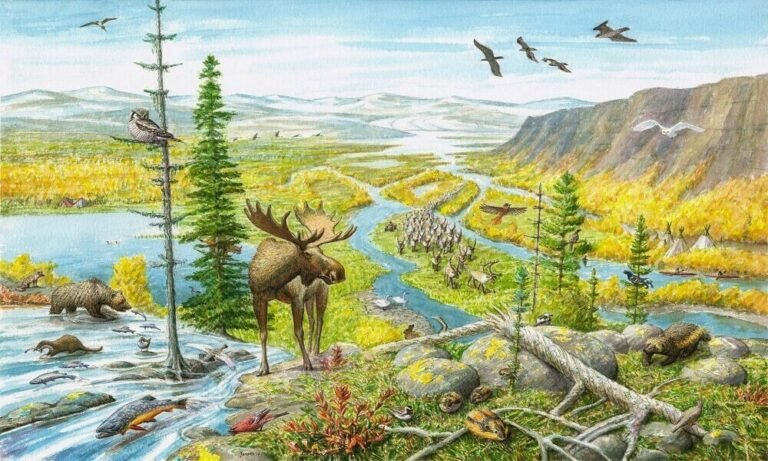
The implementation of ecological corridors, which function as wildlife corridors that connect two different habitats, solves this problem because it provides a workable solution. The introduction of corridors allows animals to traverse protected areas while they interact with each other and their environment throughout the entire territory.
Pakistan has focused its conservation efforts on establishing protected areas within national parks and reserves. The areas require additional support because they serve as vital components yet they cannot function as self-sufficient entities. A protected area that exists alone without contact with other ecosystems behaves like an isolated system that lacks the ability to sustain its ecological systems over time.
The corridors of the environment function as essential pathways which connect different ecosystems through their connecting passages. The system enables species to move between their seasonal habitats while enabling them to adapt to climate changes and preserve their genetic diversity through population interactions. The snow leopard requires continuous access to various ecosystems because this connection enables the animal to survive in its natural habitat.
The global community is starting to understand that connected landscapes hold vital ecological value for ecosystems. India established special corridors to enable elephants to travel through areas where their habitat has been divided into separate sections.
The Chinese government has developed extensive ecological zoning systems to protect vital natural pathways that connect various ecosystem regions. Conservation efforts can achieve success beyond protected areas by implementing the conservation of entire ecosystems that extend across the landscape.
Policy Gaps and Institutional Challenges
The Pakistan policy framework has not yet developed a complete understanding of ecological connectivity despite increasing public awareness of the issue. Environmental impact assessments (EIAs) which evaluate development projects ecologically fail to provide complete evaluation of extended fragmentation impacts. Project approval processes allow infrastructure development to continue without proper assessment of its effects on movement corridors.
In Pakistan conservation governance exists at both provincial and federal levels which creates difficulties for organizations to work together. Ecosystems operate outside of administrative boundaries while policies treat them as separate entities. The system creates separate management systems which do not achieve comprehensive landscape control.
Another critical gap is the limited use of scientific tools in planning. The research uses Geographic Information Systems (GIS), remote sensing, and species tracking technologies to determine essential movement paths and select vital locations for corridor development. The tools function as decision-making instruments yet organizations fail to utilize them throughout their processes.
Conservation requires both new ways of thinking about conservation and new methods of putting conservation plans into practice. The focus must move from isolated protection to integrated landscape management.
First, all national and provincial governmental policies should establish ecological corridors as official protected areas. The process requires mapping of vital links which must be integrated into land use planning activities. The enforcement of legal protection measures will help maintain these corridors intact while securing their protection until future dates.
Read More: Managing Human–Wildlife Conflict in Pakistan: Policy Gaps & Pathways to Coexistence
The local population needs to become the primary focus for all workforce development initiatives. People who rely on natural resources to support their livelihoods occupy many of the potential corridor areas which need protection. The combination of community-based conservation programs with incentive systems and participatory planning methods enables environmental objectives to be achieved while benefiting human well-being.
Trans-boundary partnerships provide an effective method for connecting different regions together with enhanced connectivity. The northern Pakistani mountain ecosystems function as a part of extensive ecological systems which extend into adjacent national territories. The implementation of cross-border initiatives will help international conservation projects preserve these vital ecological connections.
Climate projection assessment needs integration into all conservation planning processes. Corridors should maintain current ecological links while preparing for upcoming ecological transformations. The upcoming method will enhance conservation planning by establishing adaptable strategies that can deal with unpredictable future situations.
Pakistan is currently at a critical juncture that will shape its future environmental growth. The combination of habitat destruction and climate change causes serious alterations to the country’s natural surroundings. Biodiversity preservation in this situation necessitates both the protection of existing ecosystems and the restoration of connectivity between isolated places.
The goal can be achieved by using corridors. The system introduces a new strategy that allows companies to protect resources through continuous adaptive processes that maintain natural systems. Pakistan should construct ecological links because they will assist the country in developing long-term conservation strategies to maintain its natural resources while dealing with climate change challenges. The current environmental scenario necessitates determining whether animals can inhabit areas since their movement skills have become critical for existence.
*The views presented in this article are the author’s own and do not necessarily reflect the views of The Diplomatic Insight.

Zona Mumtaz
Zona Mumtaz is a zoologist with a focus on wildlife conservation, mountain ecosystems, and the role of environmental cooperation in protecting endangered species. She can be reached atzonamumtazz@gmail.com