Beijing (TDI): China on Tuesday renewed its call for diplomacy, urging an immediate return to negotiations as war involving the United States, Israel and Iran continues to escalate across the Middle East.
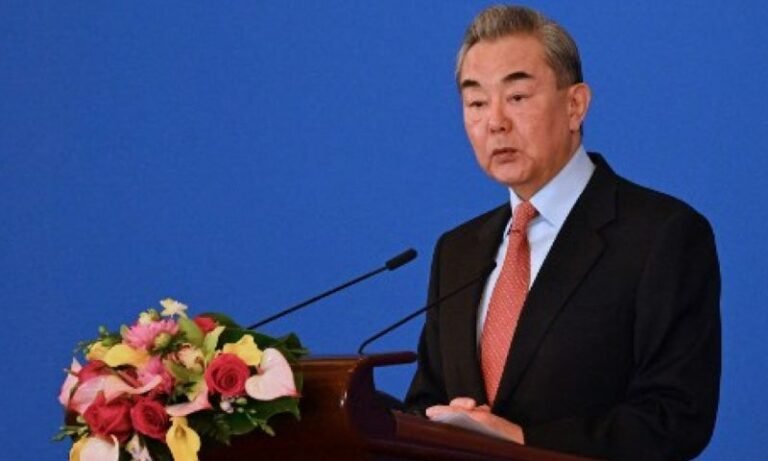
Chinese Foreign Minister Wang Yi, in a phone call with his Iranian counterpart Abbas Araghchi, stressed that “talking is always better than fighting” and called on all sides to seize every available opportunity for peace.
According to Beijing, the conversation, held at Iran’s request, underscored China’s position that disputes must be resolved through dialogue rather than force. Wang urged that negotiations begin as soon as possible, while Araghchi reiterated Tehran’s preference for a comprehensive resolution rather than a temporary ceasefire. He also confirmed that maritime passage through the Strait of Hormuz would remain open, except for countries directly involved in hostilities with Iran.
Diplomatic activity picked up across multiple capitals. Egypt’s foreign minister Badr Abdelatty held talks with US envoy Steve Witkoff on possible negotiations between Washington and Tehran, while also engaging counterparts from several regional and European countries. Officials described diplomacy as the only viable path to prevent wider regional instability.
Read More: Iran Eases Hormuz Blockade as Trump Sends Peace Proposal
Meanwhile, Turkish President Recep Tayyip Erdogan warned that Israel’s hardline approach could undermine peace efforts, insisting that the war must end through serious negotiations.
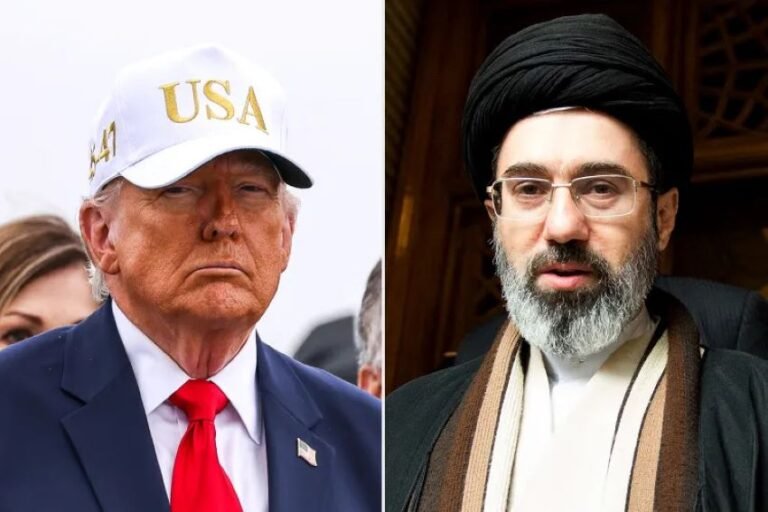
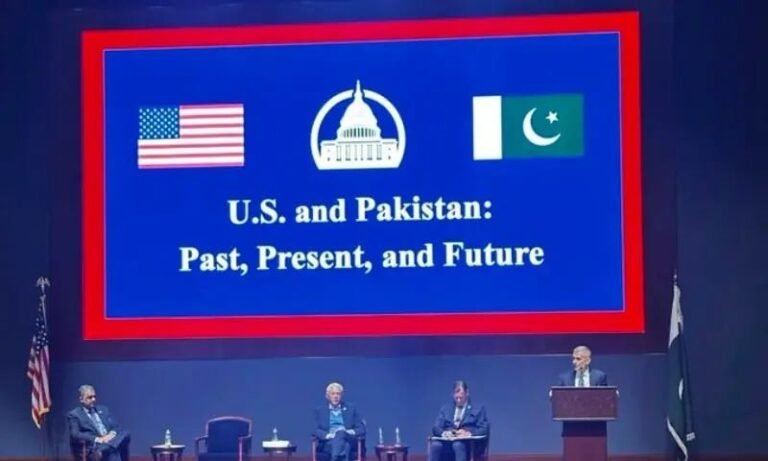
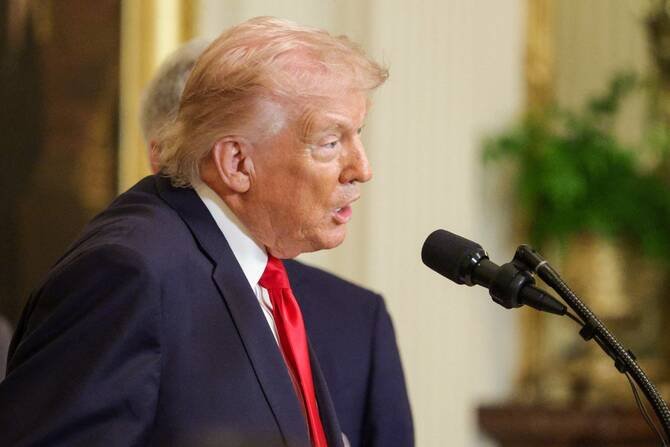
The diplomatic momentum follows US President Donald Trump’s decision to delay planned strikes on Iran’s energy infrastructure, citing progress in backchannel discussions reportedly involving Pakistan, Turkiye and Egypt. However, Washington has cautioned against treating such reports as final.
Despite Trump’s repeated claims that talks are underway and that Iran is willing to strike a deal, particularly on its nuclear programme, Tehran has firmly denied any negotiations. Iranian parliamentary speaker Mohammad Bagher Ghalibaf accused the US of attempting to influence global oil markets through such statements.
On the ground, hostilities continue unabated. Iran has carried out missile and drone strikes across the Gulf, targeting infrastructure in several countries, while Israel reported multiple incoming missile waves causing damage to residential areas.
Read More: Netanyahu Persuaded Trump to Approve Iran Operation Targeting Khamenei: Report
Authorities in Bahrain and the UAE confirmed casualties following attacks, including the death of a foreign contractor and injuries to security personnel. In Iraq, strikes on Iran-aligned groups resulted in multiple fatalities, while separate attacks hit a Peshmerga base in Irbil.
The conflict has also disrupted key infrastructure beyond the battlefield, with Amazon Web Services reporting operational disruptions to its Bahrain data centres due to drone activity.
Iran has vowed to continue its campaign until what it calls “complete victory,” signaling no immediate de-escalation. At the same time, it has tightened control over maritime movement in the Strait of Hormuz, introducing new mechanisms to regulate shipping through the vital energy corridor.
With fighting spreading across multiple fronts, the human toll continues to rise sharply, alongside growing risks to global energy supplies and regional stability.