United Nations (TDI): A new China-led “Group of Friends of Global Governance” held its first meeting at UN Headquarters in New York on Tuesday, aiming to push for a more balanced and equitable global governance framework.
Pakistan strongly backed the initiative, calling it timely and essential in the face of mounting global challenges.
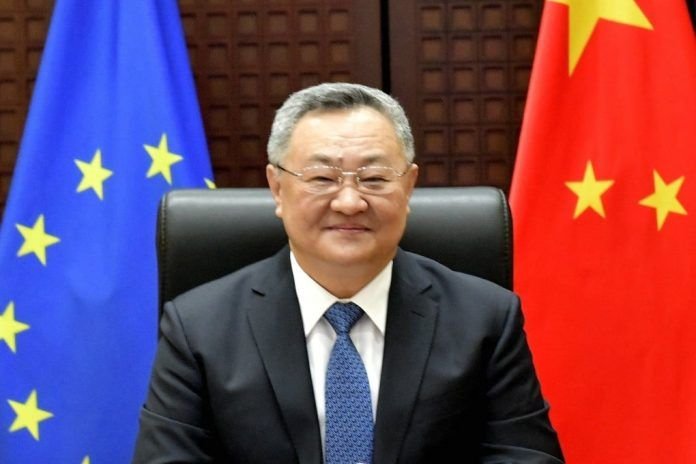
Nearly 40 founding member states participated in the inaugural session, chaired by China’s Permanent Representative to the UN, Ambassador Fu Cong. Opening the meeting, he said the new Group was intended as an open and inclusive platform for countries to work together toward improving global governance structures.
Pakistan’s Ambassador to the UN, Asim Iftikhar Ahmad, congratulated China on the launch, noting that the initiative comes at a moment of “unprecedented and multifaceted challenges.”
Read More: China Pledges $100m to Ease Gaza Humanitarian Crisis
He cited fraying trust in multilateral diplomacy, prolonged global conflicts, strained supply chains, growing debt pressures, widening inequalities and accelerating climate impacts as key issues requiring collective action.
Ambassador Ahmad said President Xi Jinping’s Global Governance Initiative represents “visionary leadership” and offers a blueprint for addressing interconnected global crises through modernization and good governance practices.
He reiterated Pakistan’s full support for the effort, referencing Prime Minister Shehbaz Sharif’s recent remarks describing it as a historic step toward revitalizing the multilateral system to address today’s peace and development challenges.
The initiative rests on five core principles: sovereign equality, adherence to international law, support for multilateralism, a people-centered development approach, and a focus on practical results.
According to the Pakistani envoy, these guiding principles closely reflect Pakistan’s own priorities, including the desire for a fairer international system that protects the interests of developing countries, promotes peaceful dispute resolution, supports the right to self-determination, and encourages mutually beneficial cooperation.
Read More: China’s New White Paper on Arms Control: A Blueprint for Global Security
“We should collectively advance reform that rejects privilege and avoids divisive proposals, and instead reflects the interests of all,” Ambassador Ahmad told the gathering.
He also praised China’s consistent support for international cooperation and its efforts to strengthen multilateral diplomacy.