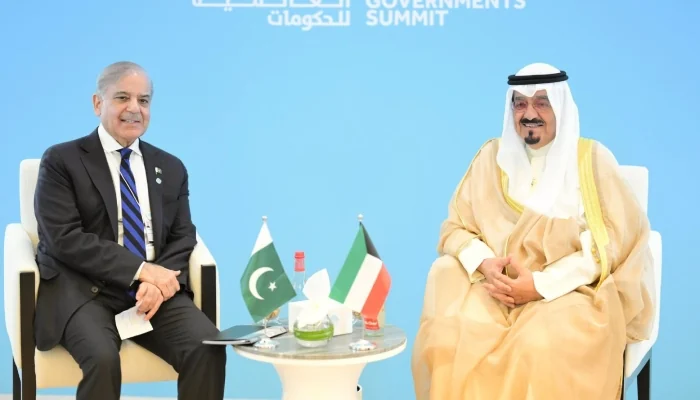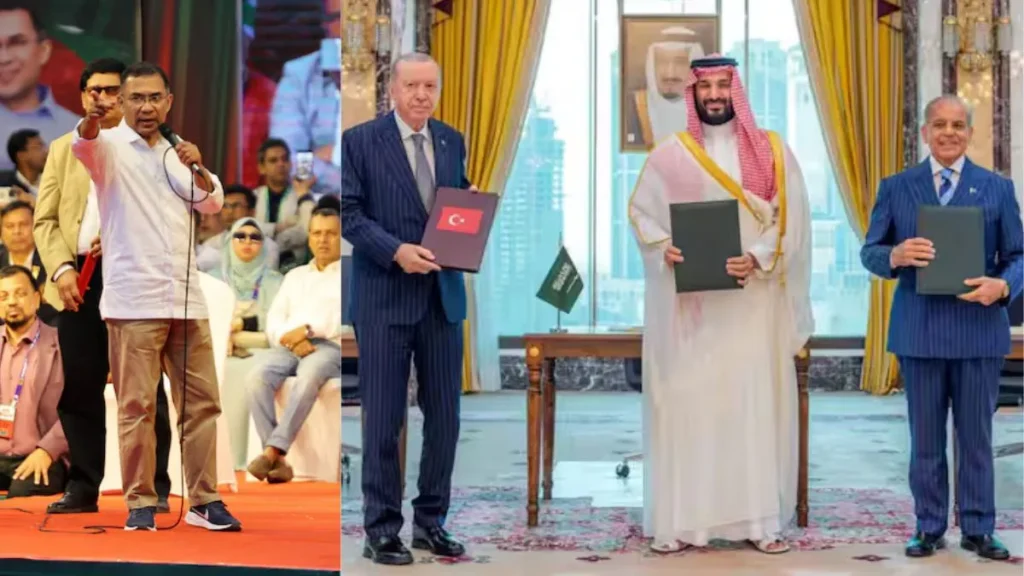
What if Bangladesh, once seen as firmly anchored in India’s strategic neighbourhood, suddenly moves closer to Pakistan, Saudi Arabia and Turkiye? That possibility is now raising eyebrows in New Delhi. Dhaka has not formally announced that it will join the Pakistan-Saudi-Turkiye Joint Defense Agreement, but remarks from Humayun Kabir, Foreign Affairs Adviser to the Prime Miniter Tarique Rahman, have opened the door to that possibility. And in India, the statement is being watched far more closely than an ordinary diplomatic comment.
Because if Bangladesh does eventually enter the Mecca Pact, this would not simply mean one more country joining a defense arrangement. It could signal a much wider shift in South Asian geopolitics, bringing Pakistan and Bangladesh into the same strategic framework, strengthening Turkiye’s reach into South Asia and giving Saudi Arabia a new partner in the region.
So, why is Bangladesh interested in the Mecca Pact? What could Dhaka gain from joining it? And if Bangladesh takes the plunge, could it alter the strategic equation with India and encourage other Muslim-majority countries to follow?
For Dhaka, the attraction may not be purely military. Bangladesh has traditionally tried to avoid formal alignment with competing power blocs. Its foreign policy has generally focused on maintaining relationships with multiple major powers while prioritizing economic development, trade and stability. But the country’s strategic environment is changing.
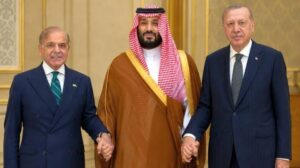
Bangladesh is looking for investment, energy security, employment opportunities and new markets. At the same time, Dhaka wants greater room to manoeuvre in dealing with its larger neighbour, India. A closer relationship with Saudi Arabia, Pakistan and Turkiye could potentially help Bangladesh diversify its diplomatic and economic options.
Saudi Arabia is one of Bangladesh’s most important partners in the Gulf. Large numbers of Bangladeshi workers live and work in Saudi Arabia, making the kingdom important not only as an investor but also as a major source of remittances. A deeper political relationship with Riyadh could potentially open doors for greater Saudi investment in Bangladesh.
Dhaka is particularly interested in infrastructure, energy, logistics and industrial investment. If defense cooperation becomes part of a broader strategic relationship, Bangladesh could seek economic commitments alongside it. That could include investment in ports and infrastructure, energy cooperation, industrial projects and increased employment opportunities for Bangladeshi workers.
Read More: Pakistan-Saudi-Turkiye Defense Pact: Who Gains Most?
Turkiye could be particularly important for Bangladesh. Ankara has emerged as one of the most ambitious defense exporters outside the traditional Western arms market. Its drones, armoured vehicles, naval systems and other defense technologies have attracted buyers across Asia, Africa and the Middle East. For Bangladesh, closer defense cooperation with Turkiye could provide another source of military technology and training.
Pakistan could offer its own experience in military training, joint exercises and defense cooperation. If Bangladesh joins, Pakistan would arguably be one of the biggest beneficiaries. Relations between Islamabad and Dhaka have been improving after years of political distance. The two sides have shown interest in expanding trade, diplomatic engagement and people-to-people contacts. A multilateral framework involving both countries could accelerate that process.
It would also give Pakistan a new diplomatic bridge into South Asia at a time when its relationship with India remains highly contentious. Bangladesh’s participation would not automatically mean that Dhaka adopts Islamabad’s foreign-policy positions. But it would create regular strategic and defense interactions among the two countries. That could have long-term consequences.
For Pakistan, the symbolic importance would be considerable. A major South Asian country joining a framework in which Islamabad is one of the founding members would reinforce the perception that Pakistan’s diplomatic and strategic relationships are expanding beyond its traditional partnerships.
Here, New Delhi’s concern is understandable from a strategic perspective. Bangladesh shares a long border with India and is surrounded by Indian territory on three sides. India is also deeply connected to Bangladesh’s economy through trade, energy, transport and regional connectivity. For New Delhi, the concern is less about the immediate military consequences and more about the possibility of a broader geopolitical realignment.
But, the more important question is that, “If Bangladesh joins, what changes?” The immediate military impact should not be exaggerated. Bangladesh’s entry would not suddenly transform the regional balance of power or create a NATO-style alliance in Asia. The bigger impact would be political and strategic.
Raed More: Trump Moves to Isolate Iran: Can a Web of Trading Partners Save Tehran?
First, it would bring a major South Asian country into a framework led by Pakistan, Saudi Arabia and Turkiye. Second, it would deepen Pakistan-Bangladesh defense and diplomatic contacts. Third, it could encourage other Muslim-majority countries to explore closer cooperation with the pact. And fourth, it would send a powerful signal to India that Bangladesh wants greater strategic autonomy and is unwilling to depend on New Delhi as its only major regional partner.
But there is another possibility. Bangladesh could use the prospect of joining the pact as diplomatic leverage without actually becoming a full member. By keeping the door open, Dhaka could encourage Saudi investment, strengthen ties with Turkiye and Pakistan, and improve its bargaining position with India. That may ultimately prove more consistent with Bangladesh’s traditional approach.

Farkhund Yousafzai is a seasoned journalist and analyst with over a decade of experience in the media industry. He specializes in national politics and international relations and regularly contributes as an analyst to national and international media outlets.