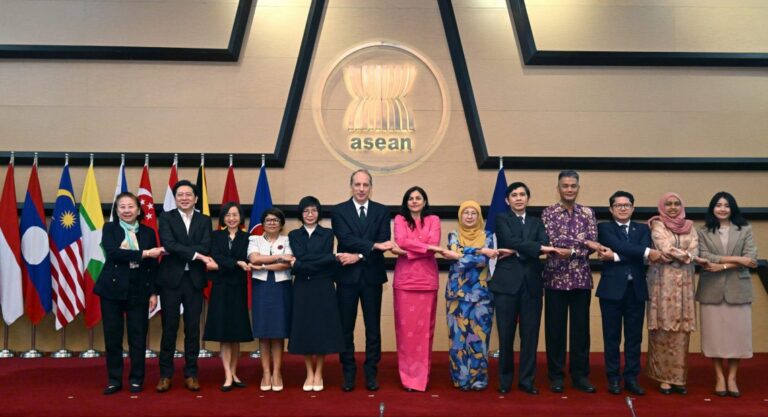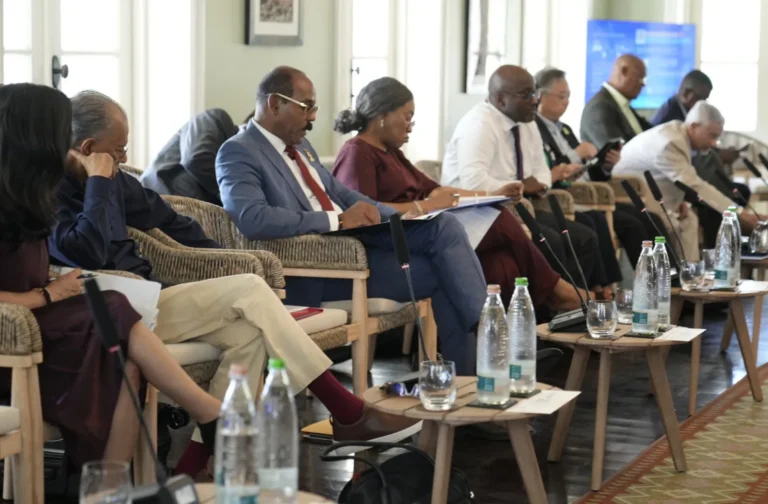
Jakarta (TDI): ASEAN and Canadian officials have underscored the urgency of strengthening energy security and accelerating the global energy transition, as policymakers, researchers and business leaders gathered for the inaugural ASEAN–Canada Strategic Dialogue.
The event, hosted at the ASEAN Secretariat, focused on the theme “Energy Security in ASEAN: Energy Transition for a Resilient Future” and brought together senior representatives from ASEAN member states and Canada to discuss policy coordination and investment pathways for the region’s evolving energy needs.
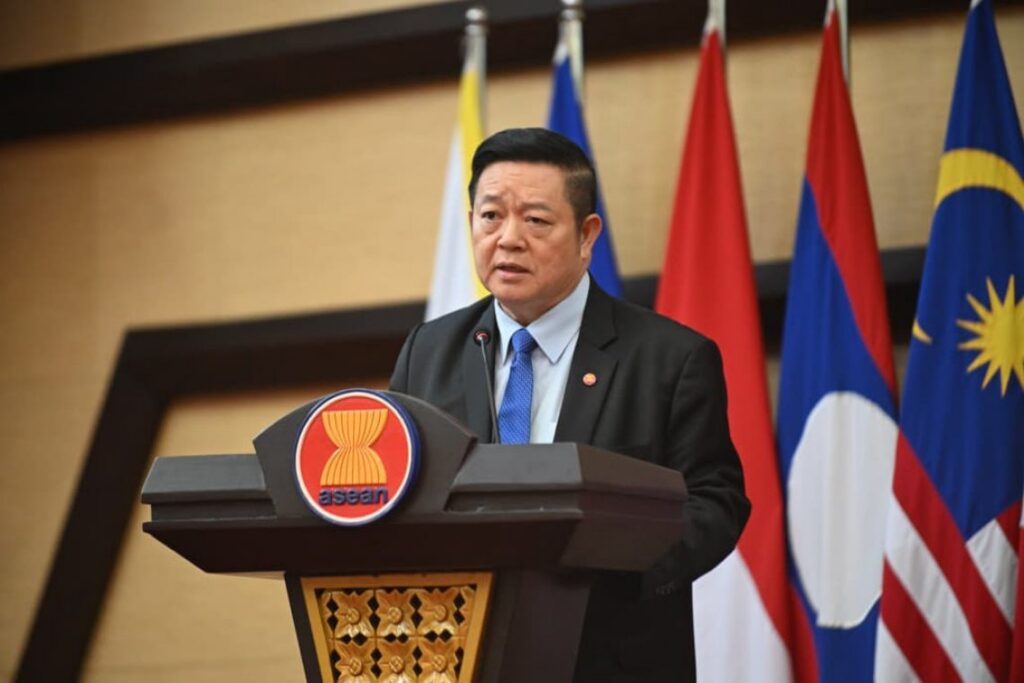
In his opening remarks, ASEAN Secretary-General Dr. Kao Kim Hourn said Southeast Asia is entering a period of sustained energy demand growth driven by industrialization, economic expansion and rising living standards across the region.
He noted that ASEAN’s energy challenge is not only to transition towards cleaner sources but also to expand overall energy supply in a way that remains secure, affordable and reliable.
Read More: Putin Meets Philippines President on Sidelines of Russia-ASEAN Summit
Dr. Kao pointed to ongoing global disruptions, including geopolitical tensions, supply chain pressures and volatility in energy markets, as key factors reshaping the global energy landscape.
He specifically highlighted the impact of instability around the Strait of Hormuz, a critical global energy chokepoint, saying disruptions in the waterway have previously led to sharp increases in energy prices across Asia, exposing the region’s vulnerability to external shocks.
Under ASEAN’s 2026–2030 energy cooperation plan, member states aim to significantly expand renewable energy capacity, improve energy efficiency and reduce emissions intensity, while balancing differing national energy structures and development needs.
The Secretary-General emphasized that achieving these goals will require a broad mix of solutions, including renewable energy expansion, regional power integration, energy efficiency measures, and the development of emerging technologies such as hydrogen and carbon capture systems.
Read More: ASEAN Seeks Stronger Economic Cooperation with Russia Across Key Sectors
He stressed that no single country can meet these investment requirements alone, calling for deeper partnerships between ASEAN and external partners such as Canada.
Dr. Kao also highlighted Canada’s expertise in conventional and clean energy sectors, including liquefied natural gas, critical minerals and carbon capture technologies, saying such cooperation could support both energy security and decarburization objectives.
He said existing collaboration between ASEAN and Canada on energy transition pathways and industrial decarbonisation already demonstrates the potential of coordinated action involving governments, industry and financial institutions.
Concluding his remarks, he urged participants to translate discussions into practical outcomes that strengthen long-term energy resilience in the region, noting that current policy choices will shape ASEAN’s competitiveness and stability in the decades ahead.