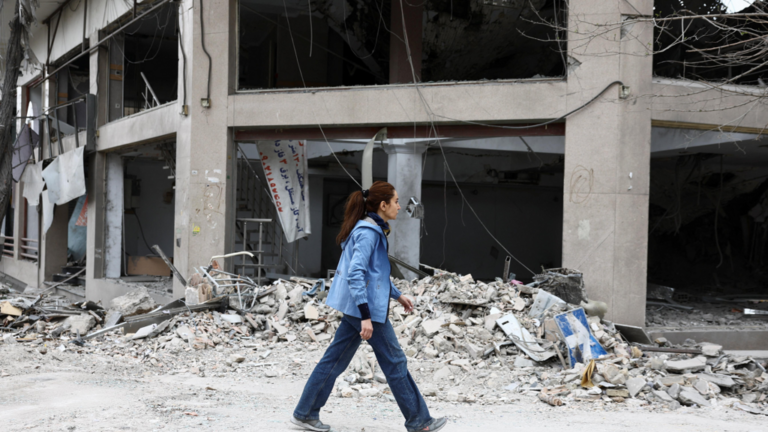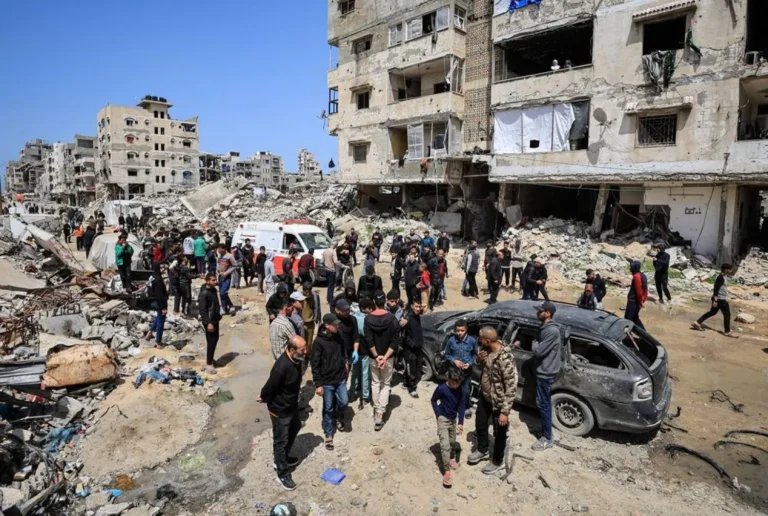
Islamabad (TDI): China and Pakistan have jointly introduced a five-point proposal aimed at easing tensions and promoting stability in the Gulf and wider Middle East, as regional conflict continues to intensify.
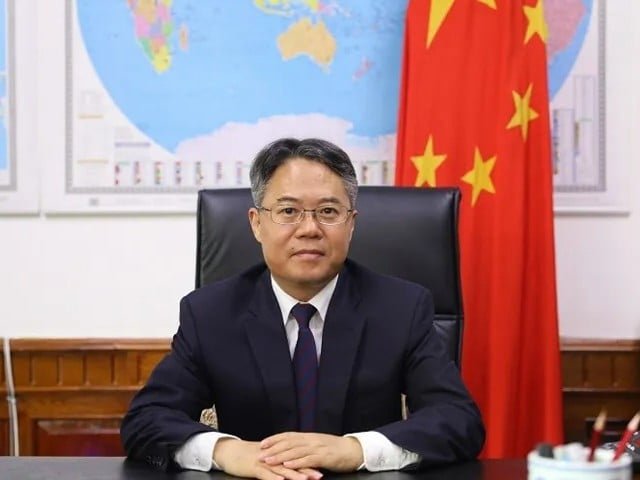
In an op-ed, Chinese Ambassador to Pakistan Jiang Zaidong said the initiative was unveiled in Beijing on March 31 following close coordination between the two longtime allies.
The plan outlines key steps including an immediate ceasefire, the early resumption of peace negotiations, protection of civilian infrastructure, ensuring the safety of maritime trade routes, and adherence to the principles of the United Nations Charter.
According to the ambassador, the proposal reflects not only the shared stance of Beijing and Islamabad but also aligns with broader international expectations. He noted that the initiative has already attracted significant global attention and support.
Describing ties between the two countries as “iron-clad,” Jiang highlighted their continued cooperation on regional and global challenges. Since the escalation of tensions involving the United States, Israel, and Iran, China has actively engaged relevant stakeholders to push for a ceasefire and dialogue, while Pakistan has played a facilitative role in mediation efforts.
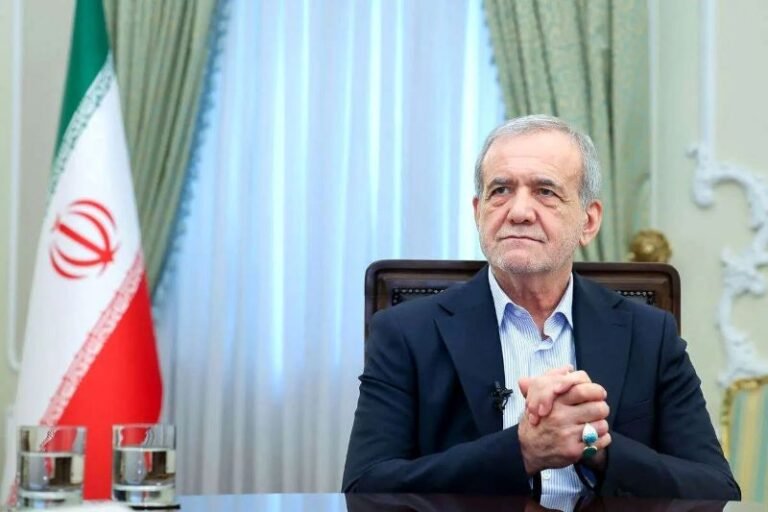
Read More: Pezeshkian Says 14m Iranians Ready to Sacrifice Lives as War Intensifies
He added that both countries have remained closely engaged through diplomatic channels in Beijing and Islamabad, as well as at the United Nations Security Council, with their foreign ministers holding multiple consultations to coordinate responses and encourage de-escalation.
The ambassador also linked the initiative to the broader vision of Chinese President Xi Jinping, particularly his Global Governance Initiative, which emphasizes multilateral cooperation, respect for sovereignty, and adherence to international law. Pakistan has endorsed this framework, including during discussions at the Shanghai Cooperation Organisation summit in Tianjin.
Jiang said the five-point plan has received encouraging feedback from several countries and international bodies, calling it an important step toward building global consensus for peace.
He stressed that military solutions cannot resolve the crisis, warning that prolonged instability risks disrupting global energy markets and supply chains. Dialogue, he said, remains the only sustainable path forward.
Read More: IAEA Chief Warns Strikes Near Iran’s Bushehr Plant Pose Serious Nuclear Risk
Looking ahead, the ambassador reaffirmed that China and Pakistan will continue to strengthen bilateral coordination, particularly as the two nations approach 75 years of diplomatic relations, while jointly advocating for reforms in global governance and the promotion of international justice.