Diplomacy has long been seen as a man’s world, full of formal suits, closed doors, and whispered negotiations. But look a little closer, and you’ll find women’s fingerprints on the pages of history, shaping peace, policy, and international relations for centuries.
From Catherine of Aragon’s groundbreaking mission in 1507 to today’s growing corps of women ambassadors, the path of women in diplomacy tells a powerful story of resilience, reform, and the steady march toward equality.
The First Female Ambassador
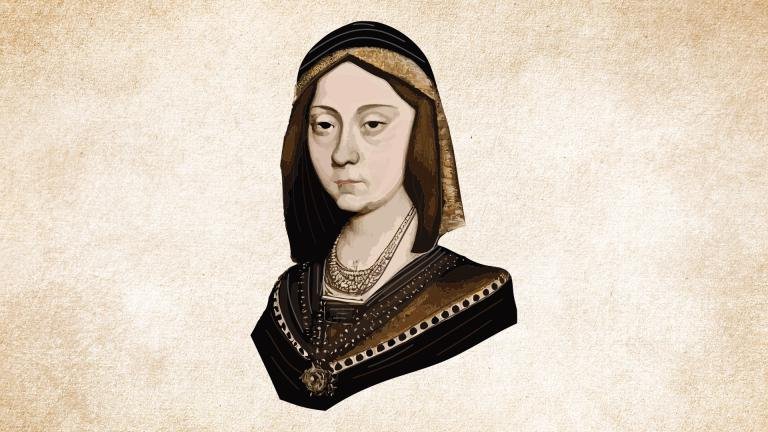
In 1507, Catherine of Aragon, daughter of Ferdinand II of Aragon, set sail for England carrying letters of credence that made her an official envoy, the first woman in history appointed as an ambassador. Her task was to negotiate with Henry VII over the terms of her marriage to his son, Prince Henry (later Henry VIII).
Just two decades later, Louise of Savoy and Margaret of Austria famously brokered La Paix des Dames (“The Ladies’ Peace”) in 1529. Their success proved that the diplomatic stage was never entirely a men’s club.
From the sixteenth to the eighteenth centuries, aristocratic women frequently acted as mediators and informal diplomats, using marriages, salons, and courtly influence to shape politics across Europe.
Figures such as Madame de Staël, Dorothea Lieven, and Madame du Deffand became renowned for hosting gatherings that blurred the lines between cultural exchange and political negotiation.
By the nineteenth century, diplomacy professionalized and women were pushed out. Foreign ministries became bureaucracies staffed by elite men, and women’s roles were limited to that of ambassadressesor diplomatic spouses.
These women played vital but unofficial roles: managing households, organizing social events, and building networks that often helped advance diplomatic missions. Their soft power was immense, yet rarely recognized.
In the early twentieth century, the term “diplomatic dames” emerged in the United States to describe ambassadorial wives who had mastered protocol and etiquette to near-professional levels. They practiced what scholars today call non-state cultural diplomacy, building bridges between nations through culture, charm, and conversation.
Read More: How 2025 Looked for Women in Diplomacy: An Overview in Numbers
World Wars: A Turning Point
The First World War changed everything. As men went to the frontlines, women entered public service in unprecedented numbers as translators, clerks, and assistants in foreign ministries. International women’s movements also began to act across borders, advocating for peace, suffrage, and humanitarian causes.
After the Second World War, the rise of organizations such as the United Nations finally opened formal doors. Women were now allowed into the diplomatic corps, though only if they stayed single. As political scientist Ann Towns of the University of Gothenburg notes, “A rule was introduced that women who wanted to be diplomats could not get married.”
Despite such restrictions, progress took hold. In 1968, women made up just 0.9% of ambassadors worldwide, a number that has grown steadily, though far from evenly.
According to the Women in Diplomacy Index (2021), women now hold 21% of ambassadorial posts globally. That is a significant improvement over past decades but still far from gender parity.
Why does this matter? Because when women are at the table, peace lasts longer.
A UN Women meta-analysis of forty peace processes found that agreements involving women are 35% more likely to endure for at least fifteen years.
Women diplomats have been central to landmark global initiatives, champion the connection between climate policy and social justice, ensuring that aid reaches the most vulnerable, often women and children.
Diplomacy is evolving. Today’s most effective envoys are not just masters of policy, but bridge-builders, listeners, and inclusive leaders. Women bring different perspectives, expand coalitions, and make peace more sustainable.
From Catherine of Aragon’s sixteenth-century mission to the twenty-first-century UN negotiating tables, women have proven again and again that diplomacy is stronger when it includes everyone.
Yet with only one in five ambassadorial posts filled by women, the journey toward full parity is far from over. The future of diplomacy and of peace itself depends on closing that gap.
The story of women in diplomacy is not a side note in history it is history. And as global challenges become more complex, the world needs more women leading the conversations that shape our shared future.

Catalina Bora
Catalina Bora is the founder of the Institute of Etiquette and Protocol. She can be reached at catalinabora@gmail.com