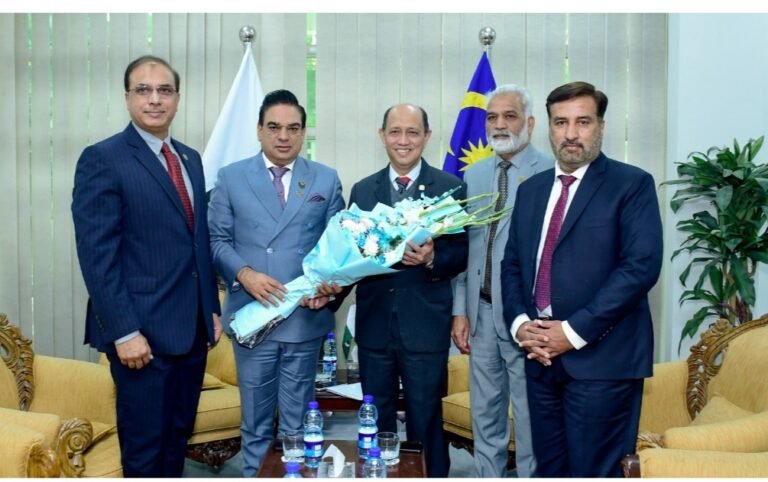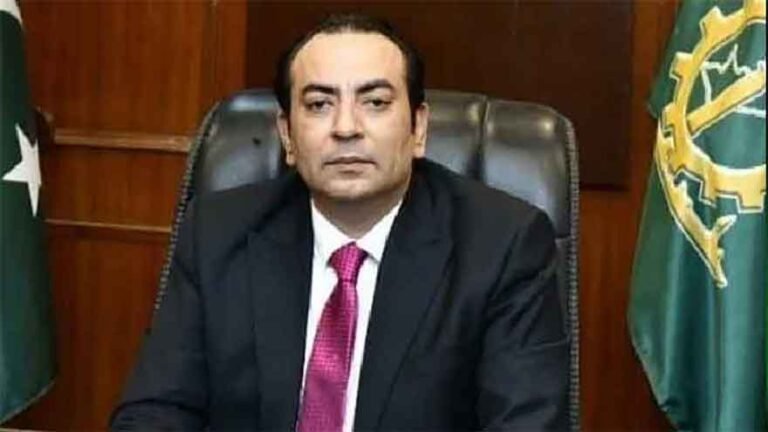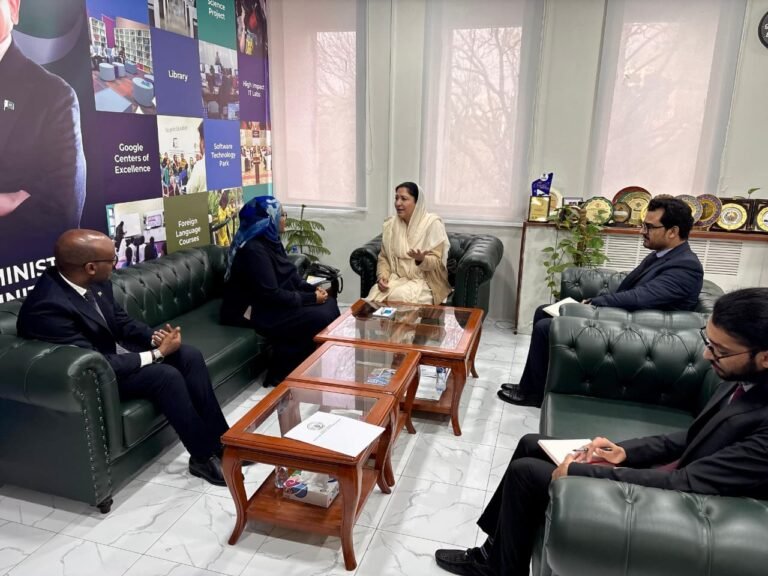
Hours before the US military operation and his capture, the Venezuelan leader, Nicolás Maduro, met with Qiu Xiaoqi, China’s special representative for Latin American affairs. In a separate event, President Trump met with David Perdue, the US Ambassador to China, on January 3, 2026. It was just a few hours later that the US announced striking targets across Venezuela and arresting Maduro.
This sequence matters. Apart from the sheer magnitude of US action and the symbolic timing of these events, this raises uncomfortable questions about the effectiveness of diplomacy at the margins of US–China competition, and about how small resource-rich states should interpret Chinese engagement when it coincides with but fails to prevent decisive US action.
China has poured billions of dollars into energy investments in Latin America through BRI, with Beijing being the largest buyer of Venezuelan oil. So, Venezuela matters to China. In the meeting between Maduro and Xiaqio, the former reaffirmed Caracas’ commitment to building a “multipolar world of development and peace” and further enhancing the bilateral strategic ties. But China’s increasing economic and diplomatic engagements with Latin America, particularly Venezuela, have not deterred Washington from pursuing force, setting a precedent that is not only detrimental to the Western liberal norms but also underscores a shift in the global order in which diplomatic engagement no longer reliably deters coercive power.
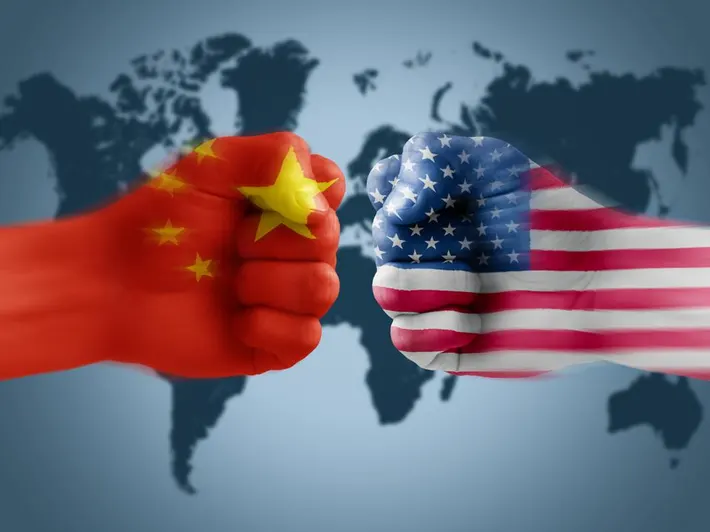
Along with creating a collision of force vs diplomacy, this military adventure has exacerbated great power competition and opened new channels of hostility between the US and China.
Beijing’s engagement with Caracas in the hours before the US operation should not be read as an endorsement or military guarantee for Maduro, nor as a challenge to US military action, as evidenced by China’s historically consistent foreign policy goals of non-intervention and even its cautious nonactions after the events unfolded in Venezuela. Instead, the meeting only reflected the Chinese approach of employing diplomacy to reinforce and preserve space for cooperation and negotiation.
China has historically relied on economic ties, dialogue, and multilateralism to engage with South, as these approaches serve both practical and symbolic purposes, including securing investments, maintaining access to resources, and projecting the image of a responsible global actor. And, the Caracas meeting fit squarely within this pattern. Seen this way, China’s move did not reveal any ambition to confront the United States, but only a diplomatic move to shape a better outcome. However, the failure of this expectation would soon become the most consequential lesson of this episode, Venezuela became a live experiment in the limits of influence without force.
Read More: Unilateralism in the Americas: Venezuela and the Crisis of the Rules-Based Order
The question is whether Beijing misread the situation, hoping that diplomacy would deter the US, or has the global environment shifted so much that diplomacy no longer delays or deters the use of force? China may have assumed that US pressure on Venezuela would remain confined to sanctions and political isolation but the speed of the US military operation suggested otherwise. This gap points less to a strategic misassumption on Chinese part than to the evolving nuances of power politics.
China has traditionally emphasized diplomacy and multilateralism, operating on the belief that these create strategic constraints. The United States, by contrast, has historically appeared willing to prioritize decisive action, usually military, over deliberation. From Washington’s perspective, acting swiftly may have been intended not only to resolve the ‘Venezuela’ problem or the ‘China’ problem in Venezuela, but also to signal the limits of Chinese diplomatic engagement. In that sense, the US operation carried a that as the US–China competition intensifies, diplomatic gestures alone no longer suffice.
Venezuela has joined a growing list of arenas where US-China competition is playing out. While the rivalry has been most visible in the South China Sea, Taiwan, and advanced tech, its logic is now increasingly extending into regions once considered peripheral. In the South China Sea, the US seeks to demonstrate that Chinese presence does not translate into uncontested control. In Taiwan, strategic ambiguity has been increasingly tested.
And Venezuela is a reminder that geographic proximity and military reach still matter more than economic ties. The risk is that such episodes may set a precedent and competitive behavior across multiple domains. If diplomatic engagement no longer moderates action in one arena, it may encourage harder signaling in others. Venezuela, in this sense, is an early indicator of how the US–China rivalry is expanding while the space for compromise continues to narrow.
Even for smaller states which once sought to manage powerful partners through engagement and legal frameworks, the rapid transition from dialogue to military use suggests that international relations are being pushed toward a reactive posture. For middle powers, the space to balance between Washington and Beijing is shrinking. Influence is now tested more by power than by alignments or international norms, changing how states will view alliances, engagement, and deterrence.
In the Venezuela episode, China is more likely to recalibrate than to escalate, reassessing where and when to place diplomatic signals when the risk of coercive counteraction is high. Yet the episode reinforces a sobering lesson for all: In an age of intensifying great‑power rivalry, diplomatic and economic engagement does not mean protection or deterrence against others. Viewed in this light, Venezuela will be remembered for exposing the limits of diplomacy in an era when strategic calculation outweighs multilateral processes.
*The views presented in this article are the author’s own and do not necessarily reflect the views of The Diplomatic Insight.

Hiba Malik
Hiba Malik is the Assistant Manager Research at NUST Institute of Policy Studies (NIPS). She can be reached at research.assoc@nust.edu.pk