A new symbol of friendship and shared heritage is set to rise in Islamabad as Uzbekistan announces plans to establish “Babur Park” in the Pakistani capital.
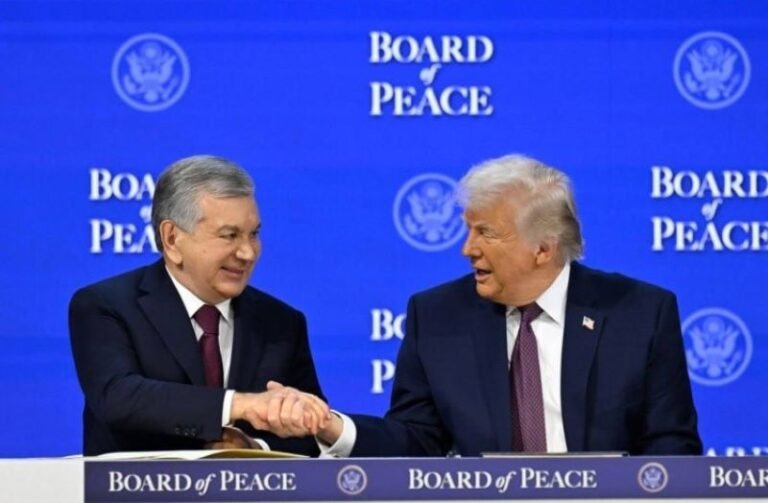
The initiative, launched by the President of Uzbekistan, Shavkat Mirziyoyev, is described as a heartfelt gift from the people of Uzbekistan to the “brotherly” people of Pakistan.
The landmark project will be developed in Islamabad’s prestigious F-7 sector, covering an area of 2.5 hectares. Designed to become one of the most attractive and significant public spaces in the country, the park is envisioned as both a recreational hub and a living testament to the deep historical and cultural bonds between the two nations.
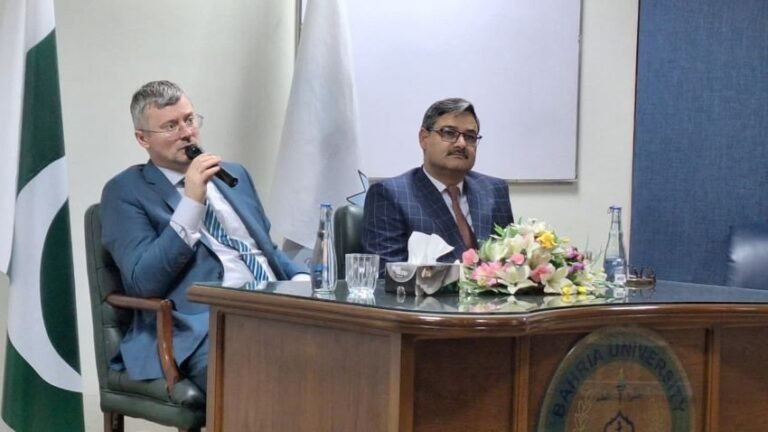
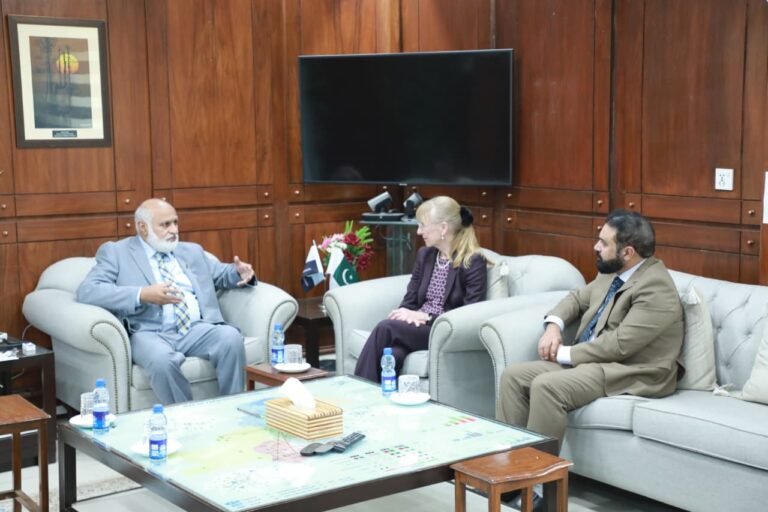
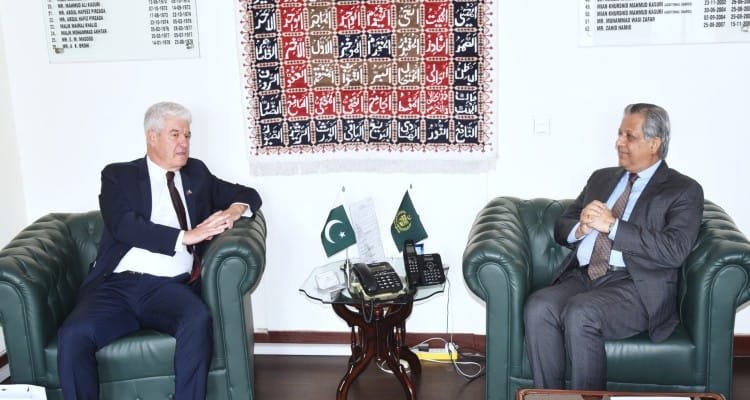
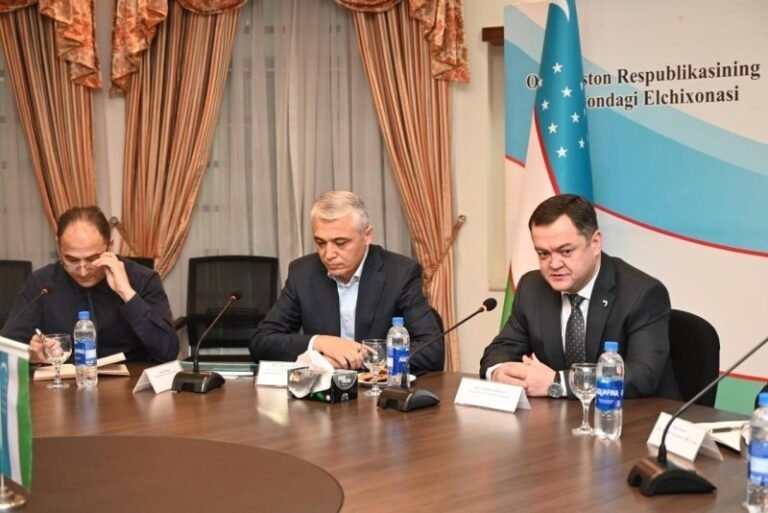
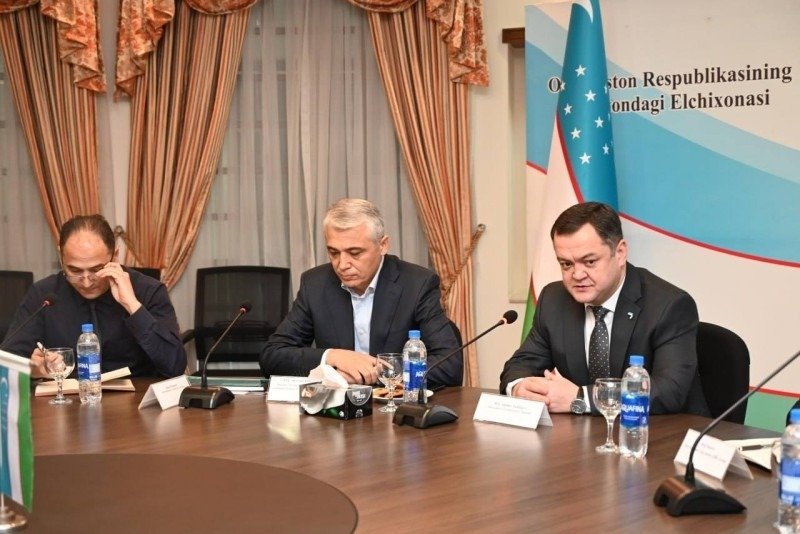
From February 14 to 17, an official delegation from Uzbekistan visited Pakistan to advance the project. The delegation was led by Sherzod Khidoyatov, Uzbekistan’s Minister of Construction and Housing and Communal Services, and facilitated by the Embassy of Uzbekistan in Pakistan.
During the visit, comprehensive discussions were held with the leadership of the Capital Development Authority, along with leading architects and industry experts. Talks focused on refining the park’s concept, architectural design, infrastructure planning, and phased implementation strategy.
Read More: Tashkent Approves Study for Uzbekistan-Afghanistan-Pakistan Railway
According to project details, Babur Park will feature modern walking avenues, elegant fountains, sports facilities, children’s playgrounds, and expansive green areas designed for relaxation and community gatherings.
A traditional Uzbek teahouse will also be constructed within the park, offering visitors an opportunity to experience Uzbekistan’s rich culinary heritage and hospitality.
At the heart of the park, a bust of Zahiriddin Muhammad Babur will be installed, honoring the revered statesman, thinker, and founder of the Mughal dynasty. Babur remains a towering historical figure whose legacy connects the histories of Central and South Asia, making his commemoration in Islamabad especially meaningful.
Officials describe the park as more than a recreational development. It is intended to serve as a powerful cultural symbol, a bridge linking past and future, tradition and progress. By honoring shared historical roots while fostering modern cooperation, the project reflects the growing strategic partnership between Uzbekistan and Pakistan.
Once completed, Babur Park is expected to attract thousands of residents and visitors, becoming a new landmark in Islamabad. Beyond its physical beauty, it will stand as a lasting emblem of friendship, mutual respect, and brotherhood between the two nations.