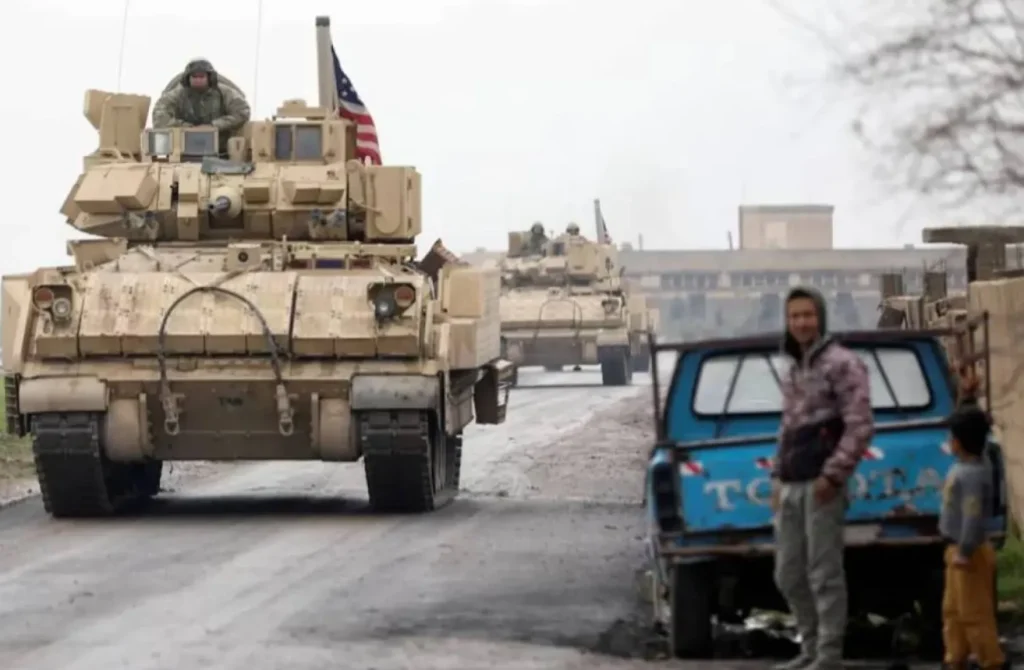
Washington (TDI): The United States is preparing to withdraw its remaining troops from Syria, signaling what could be the end of its military presence that has shaped the country’s conflict dynamics for over a decade.
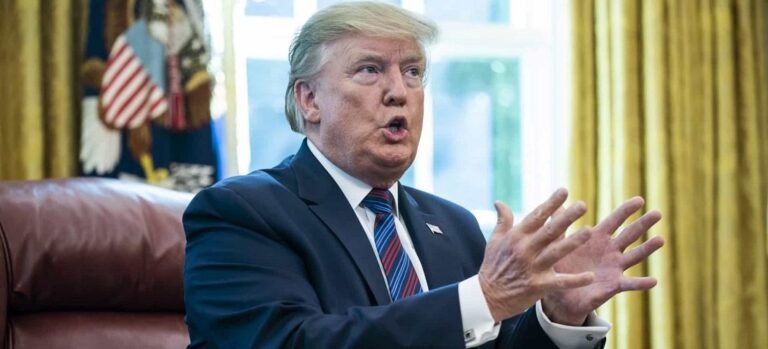
President Trump in his first term wanted to withdraw from Syria completely, and even announced all 2,000 troops would withdraw.
His Defense Secretary at the time, Jim Mattis, resigned shortly after that, citing policy disagreements. Trump ended up agreeing to keep a small presence in the country.
According to recent reports, approximately 1,000 US troops stationed across key bases in northeastern and southern Syria are expected to leave in phases over the coming weeks, marking a significant shift in Washington’s regional military strategy.
The withdrawal comes after years of evolving American involvement that began in 2014, when its forces were first deployed as part of an international coalition to combat the rise of ISIS.
Operating primarily in partnership with Kurdish-led Syrian Democratic Forces (SDF), American troops played a role in dismantling the group’s territorial stronghold.
Read More: Syrian Kurdish Forces Agree to a Phased Integration Into the State
The SDF recently moved toward integration into the Syrian Armed Forces under a US-brokered agreement. The integration is intended to ensure that the counter terrorism operations against ISIS continue while reducing reliance on the US military.
US officials have framed the agreement as a significant step toward national unity and reconciliation after years of fragmented leadership in Syria.
According to the officials cited by the Wall Street Journal, the decision to withdraw troops has nothing to do with the current buildup of US military elsewhere in the Middle East, as tensions rise with Iran.
Some US and foreign officials warned that a reduced American presence may risk a ceasefire breakdown and allow ISIS to regroup, while others said the remaining troops mainly served as a political signal rather than a substantial counterterrorism force.
The departure of these troops is likely to reshape Syria’s balance of power, potentially opening space for other regional stakeholders to expand influence in the region.
It also raises pressing questions, if local forces and freshly integrated SDF can effectively contain a potential resurgence of ISIS, and the durability of the US-brokered integration itself.