Washington (TDI): The United States and India on Friday unveiled an interim trade framework, marking a significant step toward a broader bilateral trade agreement as both countries seek to deepen economic ties and reshape global supply chains.
In a joint statement, the two governments said the framework reaffirms their commitment to continued negotiations on a comprehensive trade pact, while acknowledging that further talks will be required to finalize the agreement.
The announcement follows US President Donald Trump’s declaration earlier this week that Washington and New Delhi had reached an understanding to reduce US tariffs on Indian goods to 18 per cent from 50 per cent. In return, India agreed to halt purchases of Russian oil and ease certain trade barriers.
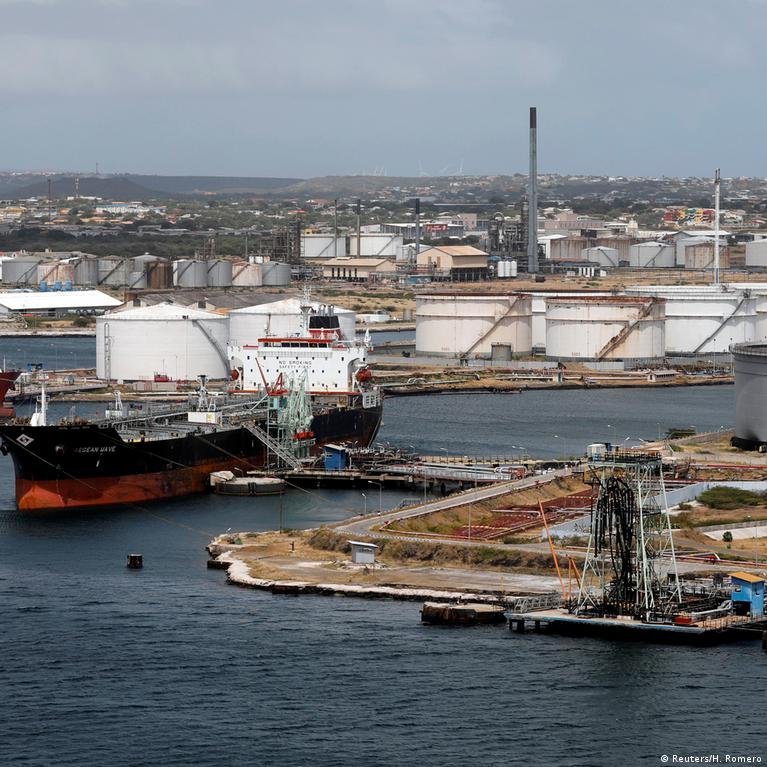
Half of the original 50 per cent tariff had been imposed by Trump as a punitive measure over India’s continued imports of Russian oil, which Washington said were helping finance Moscow’s war in Ukraine. On Friday, Trump signed an executive order lifting that additional 25 per cent levy after India agreed to shift its oil imports toward the United States and Venezuela.
Despite the progress, the joint statement suggested India pushed back against US demands for broad access to its agricultural market. Trade Minister Piyush Goyal said in a post on X that the framework fully protects farmers’ interests and rural livelihoods, safeguarding sensitive agricultural and dairy products such as maize, wheat, rice, soya, poultry, milk products, ethanol, tobacco, and selected vegetables and meat.
Read More: Kremlin Denies India Agreed to Stop Buying Russian Oil
India’s opposition Congress party, however, criticized the agreement, saying it was largely shaped by US demands and could harm domestic farmers and traders, calling it a compromise of national interests.
Friday’s statement provided more detail than the initial outline announced earlier in the week. It confirmed that India will purchase $500 billion worth of US goods over five years, including oil, gas, coking coal, aircraft and aircraft components, precious metals, and technology products.
The technology category includes advanced processors such as graphics processing units used in artificial intelligence applications, as well as equipment for data centers.
Under the framework, India will eliminate or reduce tariffs on all US industrial goods and a wide range of agricultural products, including animal feed items, tree nuts, fresh and processed fruit, soybean oil, wine and spirits.
Read More: India-US Trade Deal Hits a Roadblock After Modi Misses Call with Trump
At the same time, most Indian exports to the United States will be subject to an 18 per cent tariff. These include textiles and apparel, leather goods and footwear, plastics and rubber, organic chemicals, home décor items, handicrafts, and certain types of machinery.
India will receive tariff treatment similar to other US partner countries on aircraft and aircraft parts and will be granted a quota for auto parts imports at a reduced tariff rate. The statement also said India would receive negotiated outcomes on generic pharmaceuticals and ingredients, depending on the results of a US tariff investigation into the sector.