

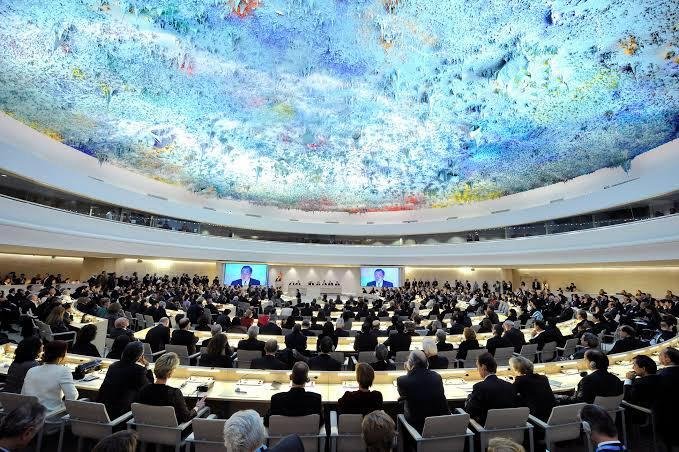
Geneva (TDI): The Chief of the United Nations High Commission for Human Rights, Volker Turk, announced that the OHCHR is struggling to operate due to significant reductions in funding from international donors.
This financial contraction is occurring concurrently with an alarming spike in needs in active conflict zones. Turk revealed that the shortfall in the OHCHR’s annual operating funds reached $90 million, directly necessitating the termination of 300 positions.
This workforce reduction has severely impaired the organization’s ability to execute its mandate. Turk S “Our resources have been slashed, along with funding for human rights organizations, including at the grassroots level around the world. We are in survival mode.”
He explained that critical work has been suspended in various nations, including Myanmar, Tunisia, Colombia and the Democratic Republic of the Congo, at a moment precisely when their monitoring presence is most required.
The financial constraints have led to a decrease in monitoring and accountability efforts. Specifically, the frequency of country visits by independent UN special rapporteurs and investigative missions has been lowered.
Read More: UN Warns of 4M AIDS-Related Deaths by 2029 After US Funding Cuts
Furthermore, fewer state parties are being reviewed for their adherence to UN human rights treaties, dropping from 145 to 103 and high-level discussions with member states have been deferred.
Turk emphasized that these setbacks have far-reaching consequences for international and local initiatives aimed at safeguarding human rights. He drew attention to major human rights worries in Ukraine, Gaza and Sudan.
Regarding the conflict in Sudan, he voiced deep concern that the region of Kordofan could witness atrocities similar to those documented in Al-Fashir.
This follows the seizure of Al-Fashir by the Rapid Support Forces in late October, one of their major successes in the ongoing war with the Sudanese army, which has continued its advance into Kordofan, including capturing the nation’s largest oil field.
Turk also noted a 24% spike in civilian casualties in Ukraine compared to the previous year, attributing this sharp rise to Russia’s increased deployment of potent long-range weaponry.


