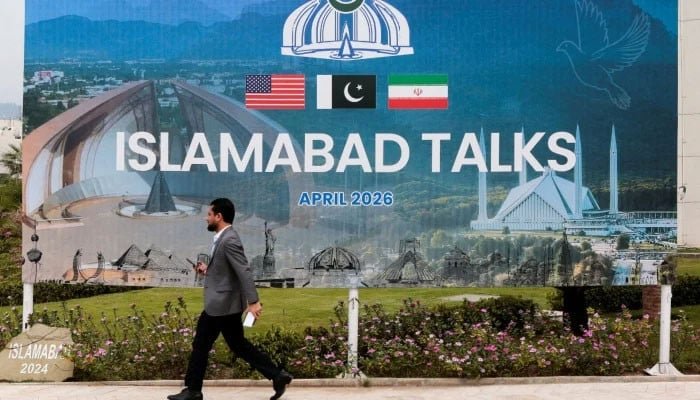
Islamabad (TDI): Uncertainty persisted on Monday over the possibility of a second round of US–Iran talks in Islamabad, as conflicting signals from Tehran raised doubts about whether the negotiations would take place despite extensive preparations by Pakistan.
Iran’s Foreign Ministry spokesperson, Esmaeil Baqaei, said Tehran has not yet decided whether it will participate in the next round of dialogue with Washington. His remarks came amid heightened tensions and growing scepticism within Iran over US intentions.
Earlier, Iran’s parliament speaker Mohammad Bagher Ghalibaf indicated that while negotiations were ongoing, Tehran remained prepared for escalation if necessary. He reiterated a lack of trust in the United States, warning that the situation could deteriorate at any moment.
The cautious tone echoes Iran’s position ahead of the first round of talks in Islamabad earlier this month, when Tehran insisted on certain preconditions before agreeing to participate. Similar last-minute uncertainties had persisted until just hours before the Iranian delegation arrived.
Although US President Donald Trump has said an American delegation is in route to Islamabad, there is still no formal confirmation that talks will proceed. The situation has been further complicated by conflicting narratives over a reported US naval incident involving an Iranian vessel near the Strait of Hormuz.
Read More: Pakistan’s Ceasefire Diplomacy and the Islamabad Talks
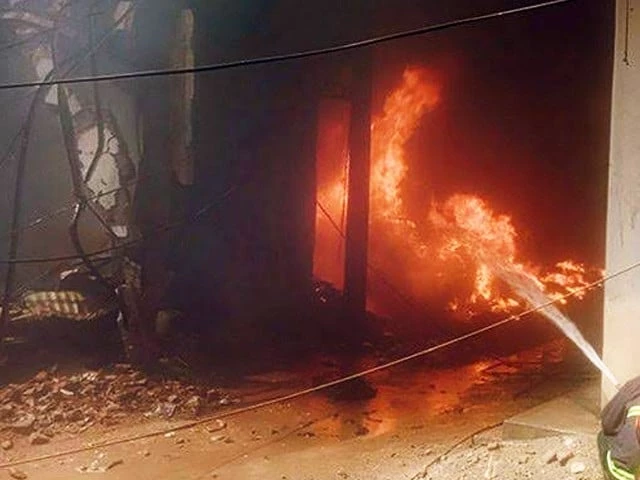
Tehran has also raised concerns over what it describes as US violations of the two-week ceasefire, citing the naval blockade of its ports, delays in implementing a Lebanon truce, and an alleged attack on an Iranian cargo ship.
Baqaei said such actions undermine Washington’s stated commitment to diplomacy. He also dismissed reports about transferring enriched uranium to the United States, saying the issue had never been part of discussions.
Separately, Iran’s First Vice President Mohammad Reza Aref warned that security in the Strait of Hormuz cannot be taken for granted if Iranian oil exports continue to face restrictions. He said global energy stability depends on ending economic and military pressure on Iran.
Despite the uncertainty, Pakistani authorities have put in place extensive security arrangements in Islamabad and Rawalpindi ahead of the expected arrival of foreign delegations.
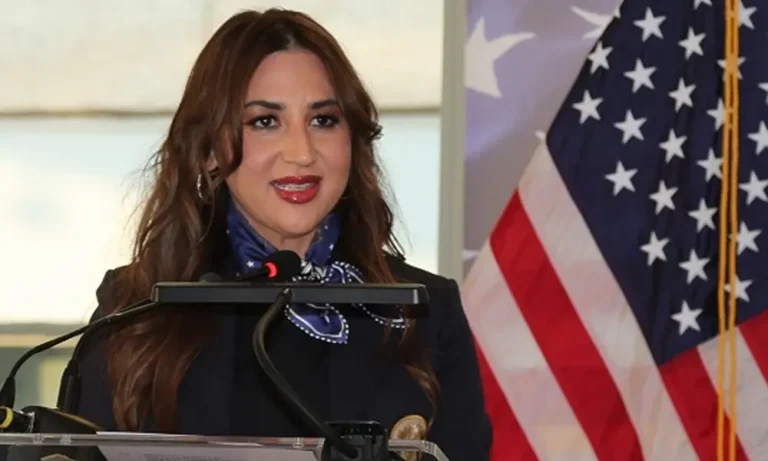
Interior Minister Mohsin Naqvi held a meeting with US Charge d’Affaires Natalie Baker to review security plans, as advance teams reportedly arrived in the capital.
Read More: Dar Praises Foreign Office Team for Role in Islamabad Talks
More than 10,000 security personnel, including commandos and snipers, have been deployed across key locations. The Red Zone has been sealed, major routes blocked, and public transport suspended in the twin cities. Special arrangements have also been made at Islamabad International Airport, while selected hotels have been cleared for visiting delegations.