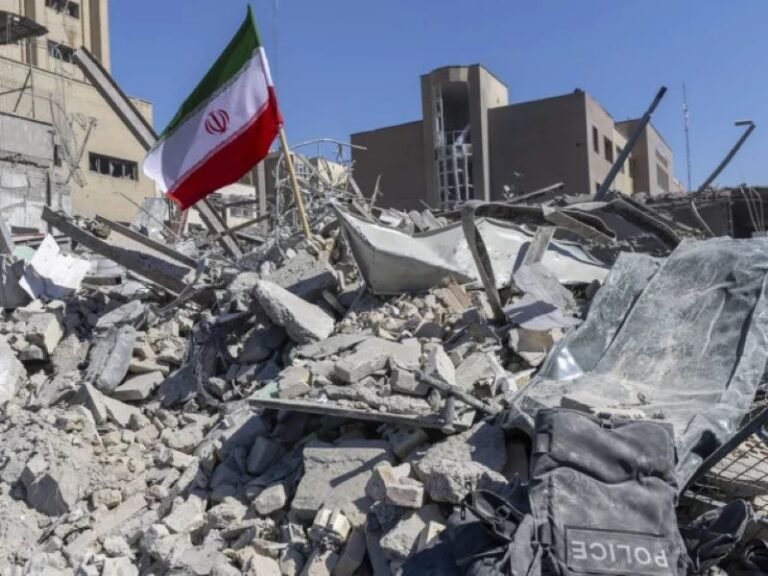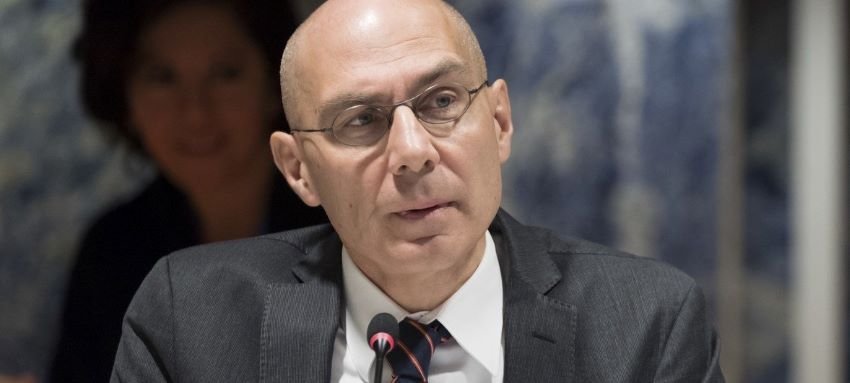
Geneva (TDI): UN High Commissioner for Human Rights Volker Türk has urged both Pakistan and Afghanistan to halt fighting immediately and focus on assisting millions of civilians caught in the crossfire.
“Civilians on both sides of the border are now having to flee from airstrikes, heavy artillery fire, mortar shelling and gunfire,” Türk said. “I plead with all parties to bring an end to the conflict, and to prioritise helping those experiencing extreme hardship.”
The High Commissioner called on all parties to take effective measures to ensure the protection of civilians, in line with their obligations under international human rights law and international humanitarian law. He urged the parties to undertake prompt, thorough, independent, investigations into alleged violations of international law, and to make public the results. He also insisted that those responsible for violations be held to account, in accordance with international standards.
In 2025, the United Nations attributed 87 civilian deaths and 518 injuries in Afghanistan to Pakistani military forces, the highest number of civilian casualties attributed to cross-border attacks in a single year since the UN started recording such killings in 2009. Since the start of this year, 69 civilians have been killed and 141 injured in Afghanistan.
Read More: Russia Voices Concern Over Pak-Afghan Border Clashes
Over 2 million Afghans have returned to Afghanistan since Pakistan started to implement the Illegal Foreigners Repatriation Plan in September 2023. Almost another 2 million Afghans are believed to remain in Pakistan, where many face hardship and constant fear of arrest and deportation.
“As a result of the violence, humanitarian assistance is unable to reach many of those desperately in need. This is piling misery on misery,” Türk said.
Nearly 22 million people – close to half of Afghanistan’s population – require humanitarian assistance, including over 11.6 million children.
The airstrikes on Afghanistan come after a series of deadly incidents in Pakistan this year, including an assault on a checkpoint in Bajaur, suicide bombings of a Shi’a mosque in Islamabad and at a wedding ceremony in Dera Ismail Khan, and other attacks allegedly committed by Tehreek-e-Taliban Pakistan (TTP) and other armed groups.
Read More: Blasts Rock Kabul as Pak-Afghan Border Clashes Escalate
“The cycle of retaliation and violence only deepens the suffering of the wider population,” Türk said. “I urge both Afghanistan and Pakistan to de-escalate and address the security issues they each face through dialogue, negotiation and mutual cooperation.”
Sohail Majeed
Sohail Majeed is a Special Correspondent at The Diplomatic Insight. He has twelve plus years of experience in journalism & reporting. He covers International Affairs, Diplomacy, UN, Sports, Climate Change, Economy, Technology, and Health.