

Geneva (TDI): The United Nations has launched its 2026 appeal for global humanitarian assistance on Monday, asking for an initial $23 billion, which represents only half of the anticipated need.
Despite global humanitarian needs being at an all-time high, the scaled-back appeal reflects a devastating plunge in donor funding in 2025.
The UN had originally sought $47 billion for the previous year, but major cuts by the new US administration, followed by key donors like Germany, forced a reduction in the appeal.
By November, the UN had received a mere $12 billion, the lowest in a decade and covering just over a quarter of its stated needs. This funding crisis has left tens of millions of people without urgent assistance.
UN aid chief Tom Fletcher condemned the international apathy, saying “We are overstretched, underfunded, and under attack. And we drive the ambulance towards the fire. On your behalf. But we are also now being asked to put the fire out. And there is not enough water in the tank. And we’re being shot at.”
Read More: Aid Rushed to Asia Flood Survivors as Death Toll Approaches 1,200
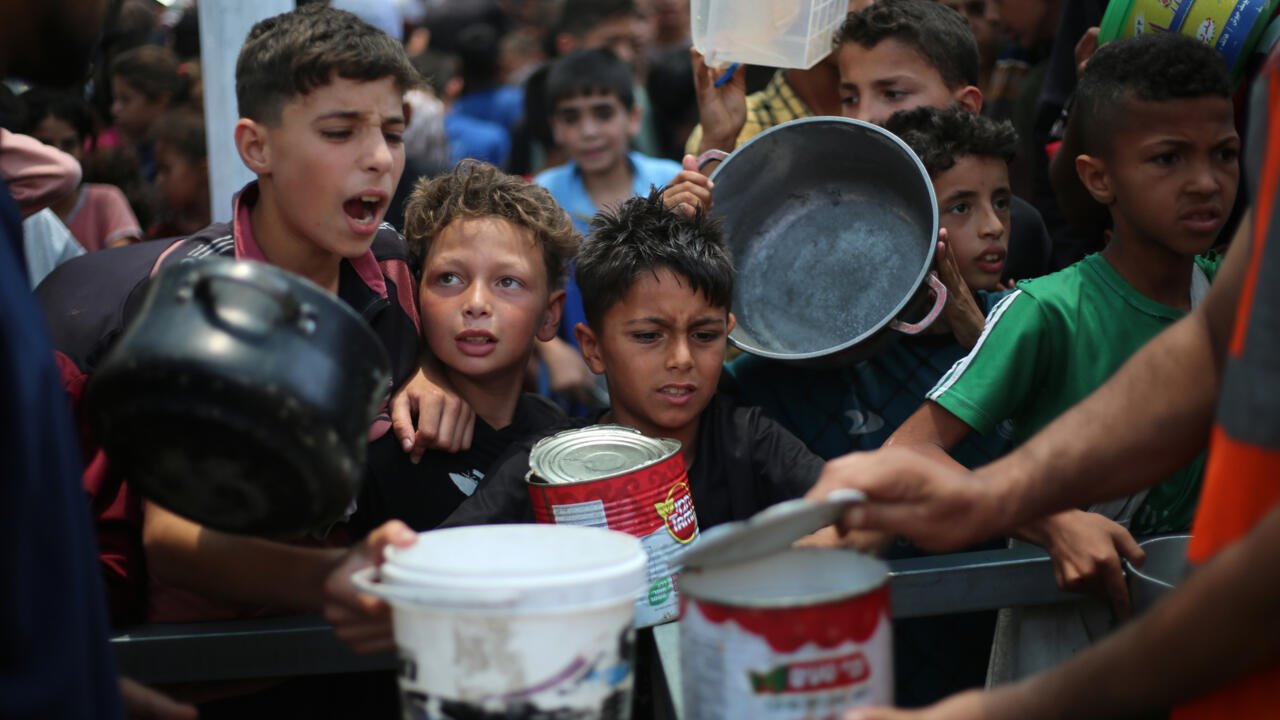
The streamlined plan is to save the lives of 87 million people deemed as priority cases whose survival is on the line. The largest single appeal, $4.1 billion, is for the Occupied Palestinian Territory.
The overwhelming majority of this sum is desperately needed for Gaza, which has faced destruction, mass displacement and a complete dependence on aid. The second priority is Sudan, which is home to the world’s largest displacement crisis, followed by Syria.
Tom Fletcher stressed “The appeal is laser-focused on saving lives where the shocks hit hardest: Wars, climate disasters, earthquakes, epidemics, crop failures.”
The world body analysis indicates that 240 million people across the globe are in conflict zones, suffering from epidemics or are victims of climate change and natural disasters and require emergency aid.
The dip in contributions, including a sharp decrease in the US share from over one third to 15.6 percent, has crippled humanitarian operations.
Fletcher indicated that if the UN falls short on funding again, it will be forced to broaden its appeal, seeking contributions from civil society and the corporate world.


